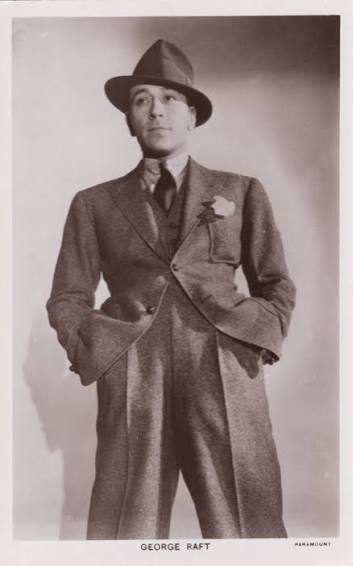
Think GEORGE RAFT, and it’s for certain, that his ground breaking role as “Guino “Little Boy” Rinaldo”, in co-director, Howard Hawks’s, 1932, “Scarface”, would, almost immediately, come to mind. A role, Raft had fun parodying, 35-years later, as a cameo guest star in, the “James Bond” spoof, 1967’s, “Casino Royale”. Then there’s the,1939, pairing of James Cagney and George Raft in. “Each Dawn I Die”. While, another role that sticks with the fans of George Raft, is found in 1940’s, “They Drive By Night”, with George Raft having first billing, over co-stars, in order, Ann Sheridan, Ida Lupino, and 4th-billed, Humphrey Bogart.
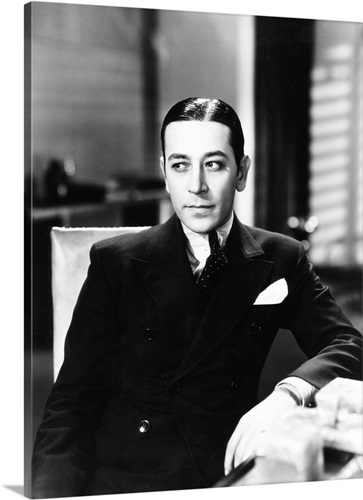
While this article cannot avoid Raft’s gangster roles, GEORGE RAFT began his film career as a “7th billed, DANCER, and NIGHT CLUB M.C.”, requested by a friend of his. She, also was, one of the great ladies of Prohibition Era.
PART ONE:
THE CREATION OF A DANCER:
His parent’s, were German immigrant, Eva Glockner, and Massachusetts, born, Conrad Ranft. They would marry on November 17, 1895. The family home was located at 415 West 41st Street, in New York City’s, “HELL’S KITCHEN”.
George Ranft was born on September 26, 1901, according to the,“New York City Birth Index“, BUT, how about a little confusion my reader?
According to an, 1980 interview, on the popular, “The Mike Douglas Show”, television program. George Raft claimed to have been born on, September 26th, BUT in “1895”. Which puts his birth, BEFORE, his parent’s wedding. As of this writing the following link will take my reader to the episode of “The Mike Douglas Show”:
https://www.youtube.com/watch?v=VXMlNGfAg6E
However, according to the, 1900 census, George’s older sister (?), Katie, actually, Eva “Katie” Ranft, was born on April 18, 1896, and was listed as the only living child born to Eva and Conrad Ranft by that 1900 census. The census also listed that a boy child had died prior to it.
While, the 1910 census, listed George Ranft, as 8-years old, and residing, not at his parent’s house, but with his paternal Grandparent’s, on 164th Street, in Manhattan. The apparent reason to send the boy to live with his grandparent’s was that his father could not make enough money to feed his wife, his daughter, and his son. There are good social economic reasons for this to have happened to George’s family. As with others, at the time, throughout New York City’s poorer areas.
According to “teaching social studies.org”, 1910 New York City was faced with:
“—-severe urban working closed poverty, heavily concentrated in immigrant enclaves. Driven by rapid industrialization and mass immigration, this hardship was defined by exploitative labor (including widespread child labor), severe housing crises in overcrowded tenements, and rampant public health struggles.”
There may also have been another factor though, and that was that the household was always overcrowded. While, four people may not seem like overcrowding. According to the “New York Times” obituary, for George Raft’s mother, dated July 2, 1937, she:
“- – – – was the mother of eleven children, of whom Mr. Raft is the only one living.
George Raft’s other siblings appeared to have died, either in infancy, or early childhood, except Katie.To confuse my reader a little more, just as George’s birth year is questionable, so is his sister’s. Some biographer’s and film historian’s, have her older than George, but others refer to George as the oldest. I, also, could not locate the date she passed away, and to add to this Ranft’s families confusion. There was another “Katie” Ranft, born in 1858, no relation, living in Ohio.
George Ranft left school at 12, and his grandparent’s house at 13. He was now on his own. George worked as an apprentice electron, and then, according to biographers, at 15, as “DUTCH RAUFT”, became a boxer for a living. He was supposed to have fought to a record of 9-victories, 3-defeats, and 2-draws.
During this period in George’s life, the exact date and year is debated, the older George Ranft/Rauft, first met Benjamin “Bugsy” Siegel, and the two, became friends. A friendship that would last through June 20, 1947, and “Bugsy’s” murder.
Next, with dreams of becoming a professional baseball player, George Ranft, tried out for the minor-league, “Springfield, Massachusetts, Ponies”. After, a 2-day tryout, some sources say he was let go, because of his poor batting. That same reason is motioned by others, but implying a longer length of time on the team , playing in the outfield.
I now come to George Ranft’s dancing, that started with his mother. Who would become a “Dancing Coach” for actor’s, after her son became a full time actor. As a young boy, his mother taught “Georgie” to dance, and with his father, the three performed at outdoor carnivals and amusement parks.
The following quote comes from “His”, “Los Angeles Times” obituary, by reporter T. O. Thackery, one day after George Raft’s death, and is dated, November 25, 1980:
“I was just trying to find something that I liked that would make me a living,” said Raft later. “I saw guys fighting, so I fought. I saw guys playing ball, so I played ball. Then I saw guys dancing… and getting paid for it!”
Although the term is usually associated with women, men also were “TAXI DANCERS”. George Ranft would make the rounds of the New York City, “Dance Halls”. He met the lonely women looking for a dance partner, and they would present him with their paid ticket for each dance. At closing, the “Dance Hall”, would give, the “Taxi Dancer”, a percentage of the paid tickets he had for that night.
At first, George struggled to earn enough money just to live on, but then he entered a major, 1919, “Charleston Dance Contest” and WON! That resulted in a change to his last name, although he never legally changed it. The dancer was now GEORGE RAFT! He had also started on the “Vaudeville Circuit” doing “The Charleston” as part of his dance act.
In 1923, besides seeing his friend “Bugsy“ Siegel, who, with another teen, Meyer Lansky, was organizing a gang that would predate “Murder Incorporated” by six-years. George Raft was reunited with another old friend, Owen Vincent “Owney” Madden”.
Back in 1915, “Owney”, was a member of the notorious, “The Gopher Gang”, in which, he was known as “The Killer”. Owen Vincent Madden had been sentenced to prison on a 10-20 year sentence for arranging the murder of William “Patsy” Moore, but in 1923, he was released. After his release, Madden’s part time driver, became George Raft. At this same time, “Owney” had just purchased the “Club Deluxe”, and renamed it “The Cotton Club”. Under “Owney”, it would became Harlem, history.
Another, 1923 event that had a lasting effect on George Raft’s life, was believing he had fallen in love, and married Grace Mulrooney. Their marriage license is said to have his name as “George Ranft (Raft)”. However, George realized he had made a mistake with this marriage, but Grace was devoutly Catholic. She refused to give him a divorce. They would stay married, living two separate lives, until her death in 1970. All that time, George Raft supported Grace, as if they still lived together as man and wife.
NEXT George Raft’s future was about to change, as he became a recognized “Professional Dancer”.
The following quote by George Raft, is found in the 2007 biography, “George Raft”, by Lewis Yablonsky:
“I could have been the first X-Rated dancer,” he said later. “I was very erotic. I used to caress myself as I danced. I never felt I was a great dancer. I was more of a stylist, unique. I was never a Fred Astaire or a Gene Kelly, but I was sensuous.”
Speaking of Astaire, in his 1959 autobiography, “Steps in Time”, Fred wrote that George Raft had:
“the fastest Charleston I ever saw.”
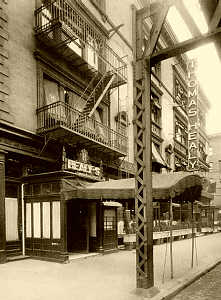
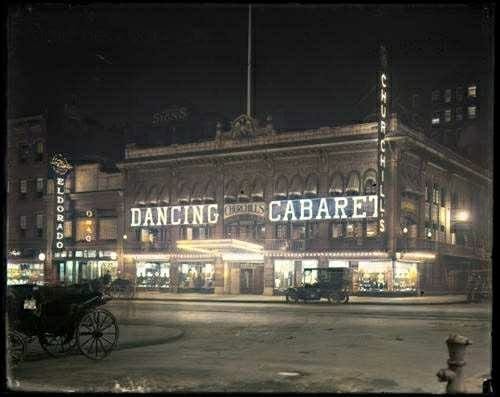
By mid-1924, George Raft was making the rounds of major New York City nightclubs, “Healy’s”, at Broadway and 66th Street,
“Churchill’s Cabaret”, at Broadway and 49th Street,
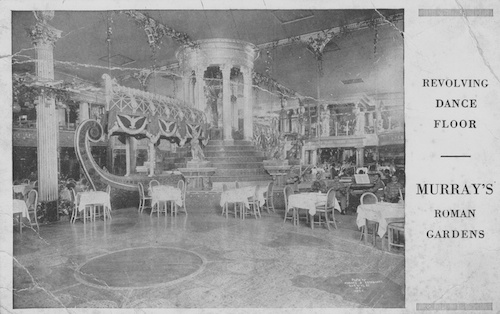
“Murray’s Roman Gardens”, at 228 West 42nd Street.
On October 26, 1925, opening on Broadway, at the “Liberty Theatre”, 234 West 42nd Street, was the Anne Caldwell, and Jerome Kern musical, “The City Chap”. In the cast, portraying “George Spelvin”, was dancer George Raft.
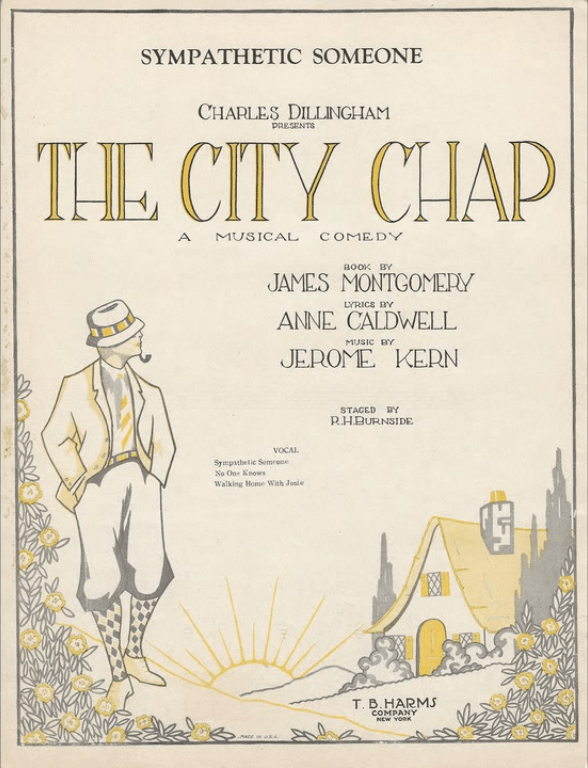
After the show closed on December 26, 1925, and during the Summer of 1926. George Raft toured London, performed popular Jazz-Age dances, such as the Tango, Bolero, and of course, the Charleston.
Buried in the, September 1, 1926, issue of the trade newspaper, “Variety”, on page 22, was an entry calling George Raft:
“the best Charleston dancer in New York.”
On November 9, 1926, dancer George Raft, misspelled as George Rath, appeared in the chorus of “Gay Paree”, another Broadway musical, at the “Winter Garden Theatre”. His third Broadway musical was, “Padlocks of 1927”, which opened at “Schubert Theatre”, on July 5, 1927.
in the cast’s of both “Gay Paree” and “Padlocks of 1927”, was another old friend of George Raft, Mary Louise Cecilia Guinan.
Guinan was a colorful character during prohibition, known as the “Queen of the Night Clubs”. Back in 1925, Raft had first met her at the “EL Fey Club”, on 54th Street. Mary Guinan was the dance club hostess, but better known to the American public across the United States, the “Feds”, and local police departments, as “TEXAS GUINAN“.
Her catch phrase, was:
“Hello, Sucker! Come on in and leave your wallet on the bar.”
Two other dancers that appeared at the “El Fey Club”, were Ruby Keeler, and Barbara Stanwyck.
“TEXAS GUINAN”, had opened in 1920, her speakeasy, “TEXAS GUINAN’S 300 CLUB”, located at 151 West 54th Street. George Raft was a very popular dancer with the public and the owner.
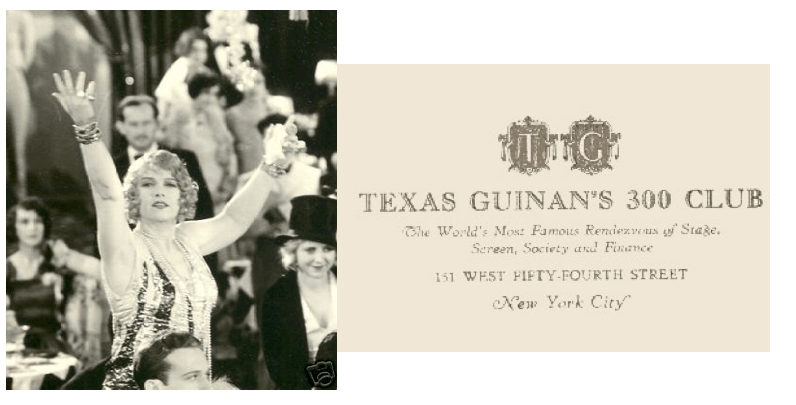
Above, and below,“Texas Guinan”.
On any night, you might see a piano player named George Gershwin, or he might be accompanied by Irving Berlin, having an impromptu sessions of their music. From the Hollywood community visiting New York, might be actresses Gloria Swanson, Clara Bow, or Dolores Costello. John Barrymore might have a corner table with Rudolph Valentino. A one-time “Taxi Dancer”, with his friend George Ranft. On the wealthy side, the club was a hang-out for the likes of Reggie Vanderbilt, and Walter Chrysler.
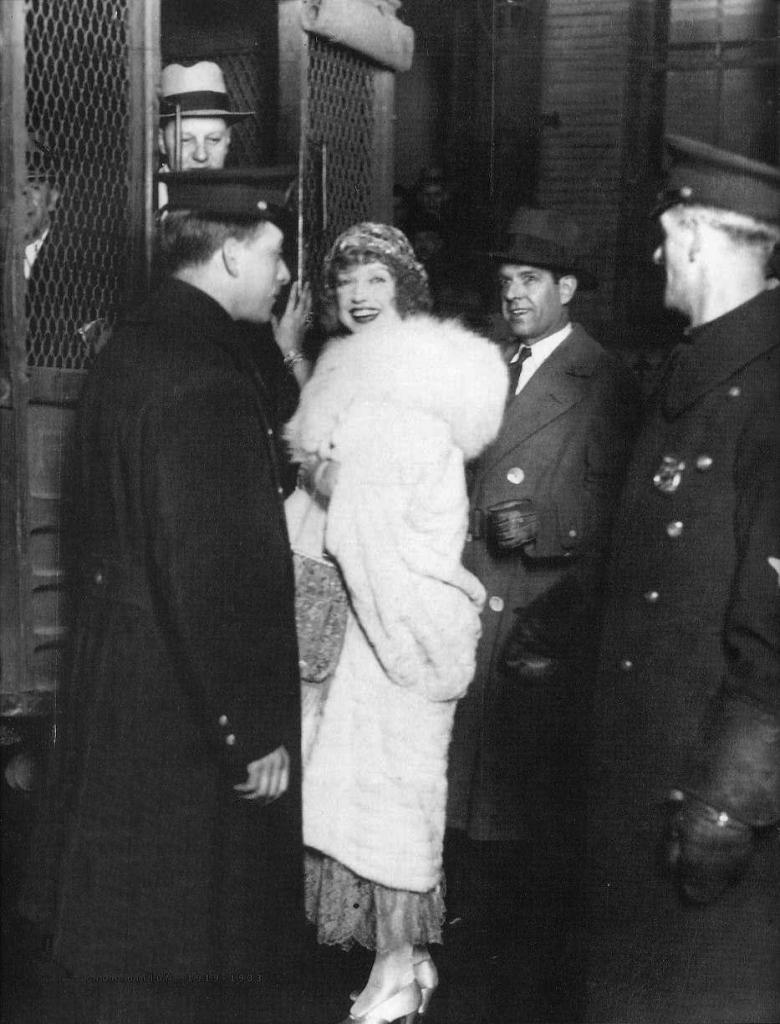
According to George Raft’s, “Los Angeles Times” obituary, it was “Owney” Madden that suggested, in 1927, for the dancer to go to “Hollywood” and make movies. Raft was more than willing to accept his idea, as he was on the run from the husband of a woman he had been sleeping with.
PART TWO:
MOTION PICTURE DANCER AND GANGSTER:
Since arriving, in “Hollywood”, George Raft was dancing at clubs around Los Angeles. Texas Gunian stepped in with her live show, “NIGHT CLUB”, featuring George. The show was on stage at the “Orpheum Theatre”, 842 South Broadway, in Downtown Los Angeles. The show opened on October 15, 1928, and promptly closed. Even though both the star, and Raft, received rave reviews, because Gunian had developed laryngitis and could not sing.
However, this led to George Raft’s first motion picture, filmed by “Warner Brothers” studio.
QUEEN OF THE NIGHT CLUBS premiered in New York City on March 24, 1929
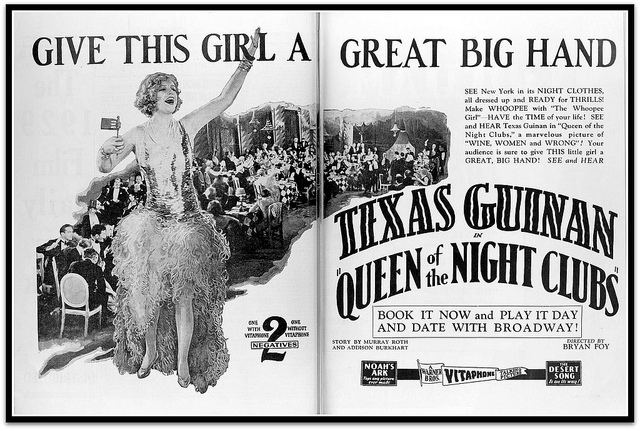
George Raft was given the role of, the 7th-billed, dancer and night club m.c., “Gigola”, at the direct request of Texas Guinan. She was portraying a vary obvious version of her real self, named “Texas Malone”. Almost, all of “Raft’s scenes were edited out of the 1-hour motion picture, prior to its release, and the film is considered “Lost”. However, from a review of the motion picture in the trade paper, “Variety”, dated March 20, 1929, we find that the:
“nite club scene introduces George Raft, the hot’ stepper, as the m. c.and band leader, being brought down for one of his rip-snorting hoofing specialties.”
His next film was as an uncredited dancer in:
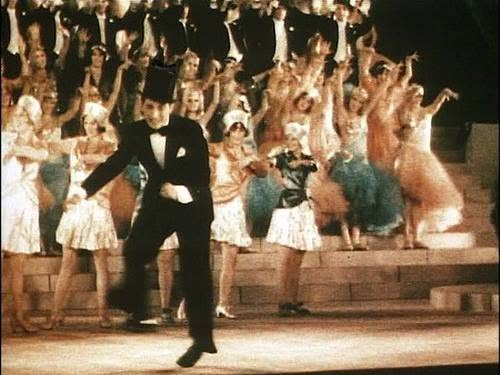
GOLD DIGGERS OF BROADWAY released on August 30, 1929.
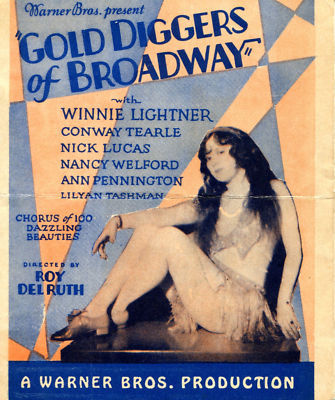
Below, George Raft is dancing, “The Charleston”, in the motion picture, which was filmed in two-strip Technicolor. The sequence, his only appearance, lasts just seconds, at the movies conclusion.
SIDE STREET premiered on September 8, 1929
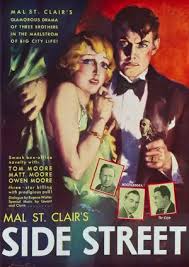
Technically this was George Raft’s first gangster motion picture. However, in “Side Street”, he portrayed, “George Ames – the Dancer”.
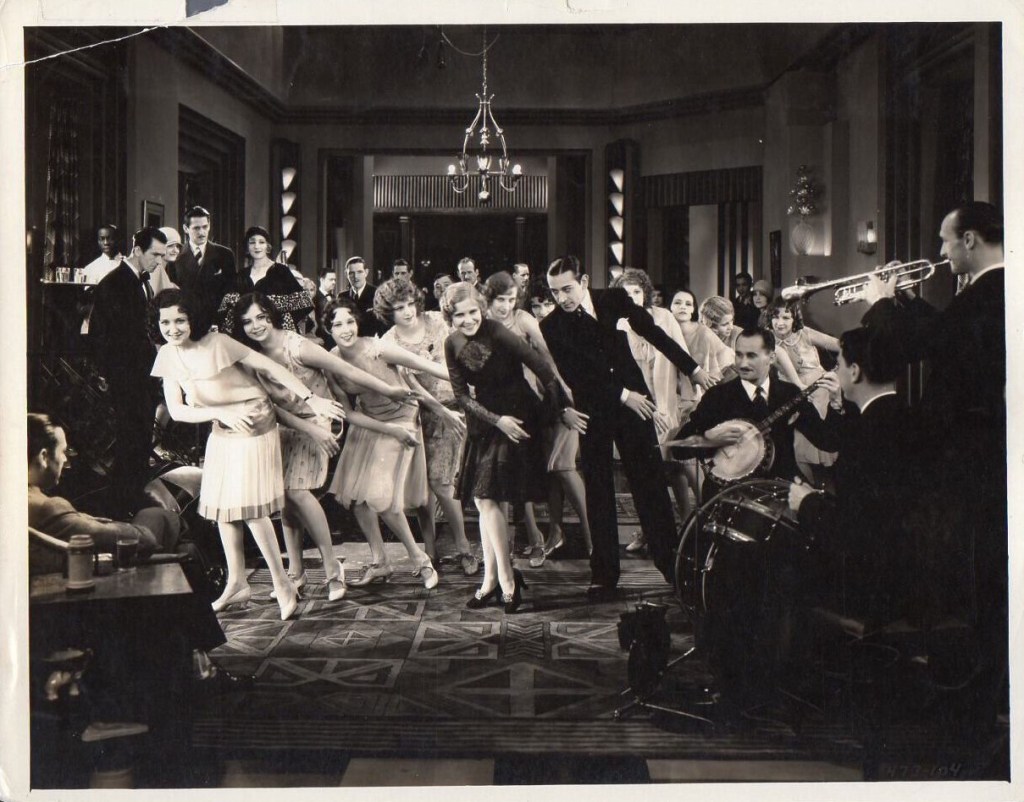
Above, Raft is seen dancing with, also uncredited, June Clyde, portraying “Sally – the Singer”.
“Side Street” was followed by George Raft’s FIRST ON-SCREEN CREDITED FILM ROLE.
QUICK MILLIONS premiered in New York City on April 17, 1931
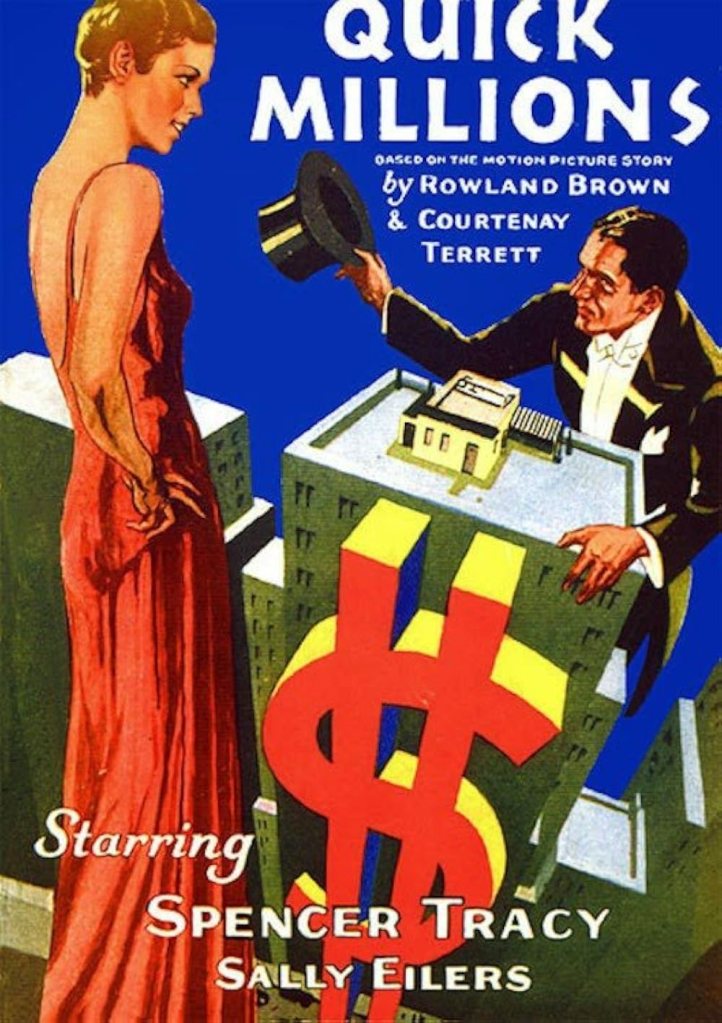
This is an overlooked and forgotten gangster film, that should have had unknown George Raft in 4th-billing, and not 7th.
The story was by director Rowland Brown. As a director this was only Brown’s first of four gangster films. As a writer, he has just written the crime drama, 1930’s, “The Doorway to Hell”, starring Lew Ayers and James Cagney, and would follow this picture with the John Barrymore and Helen Twelvetrees’s, 1932, “State’s Attorney”.
The screenplay was also by Courtney Terrett, this was his first, and he would follow this picture with the Joan Bennett, 1931 comedy, “Hush Money”.
The Main Cast:
Spencer Tracy portrayed “Daniel J. ‘Bugs’ Raymond”. This was only his second feature film, but he had also been in three shorts. Tracy would next be seen in the 1931 comedy, “6 Cylinder Love”.
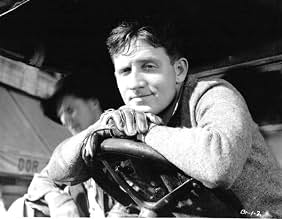
Marguerite Churchill portrayed “Dorothy Stone”. This was her 11th feature film, plus two shorts. She portrayed the newly named John Wayne’s, first girlfriend, in his first motion picture by that name, the 1930 western, “The Big Trail”. She had just co-starred in 1931’s, “Charlie Chan Carriers On”, and followed this picture with co-starring in the Zane Grey western, 1931’s, “Riders of the Purple Sage”.
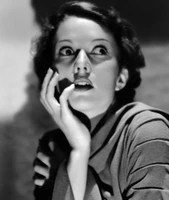
Sally Eilers portrayed “Daisy De Lisle”. Eilers had just been seen in the Hoot Gibson western, 1931’s, “Clearing the Range”, and followed this feature film with the “Charlie Chan” mystery, 1931’s, “The Black Camel”.
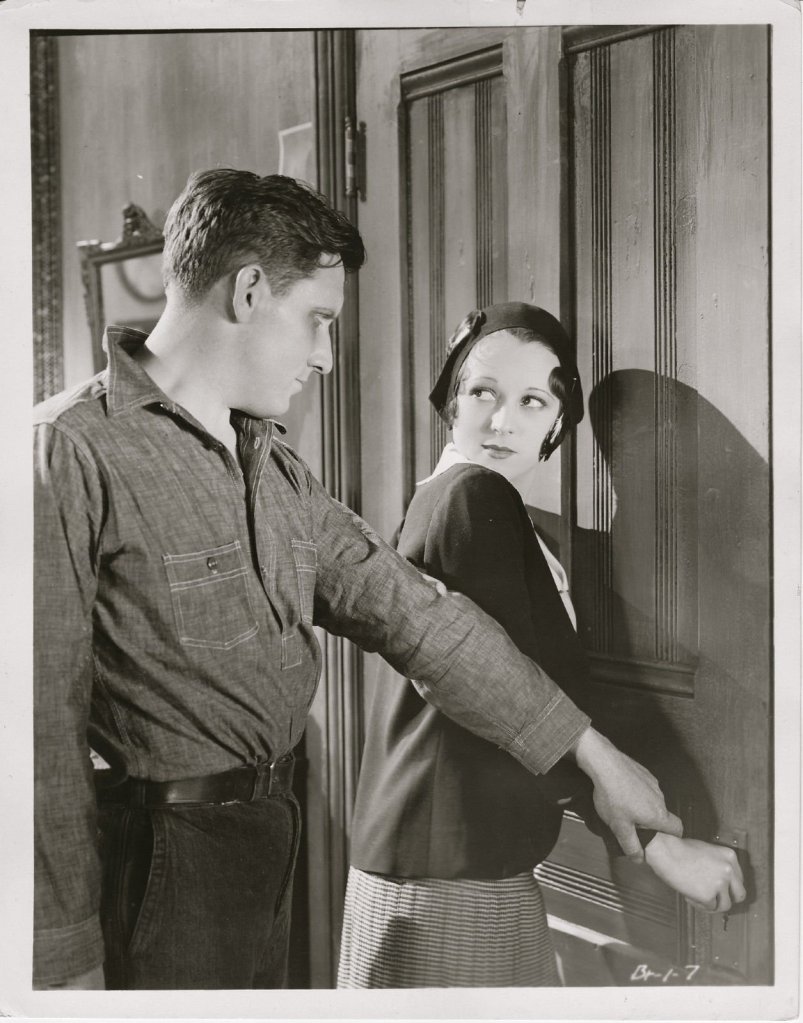
Robert “Bob” Burns portrayed “Arkansas’ Smith“. This was Burns’s 3rd movie, the first two were uncredited, and he followed this film with three more uncredited roles.
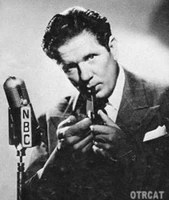
John Wray portrayed “Kenneth Stone”. He had just starred as the 1930, “Czar of Broadway”, and followed this feature film and was in the Clive Brook, 1931 crime drama, “Silence”.
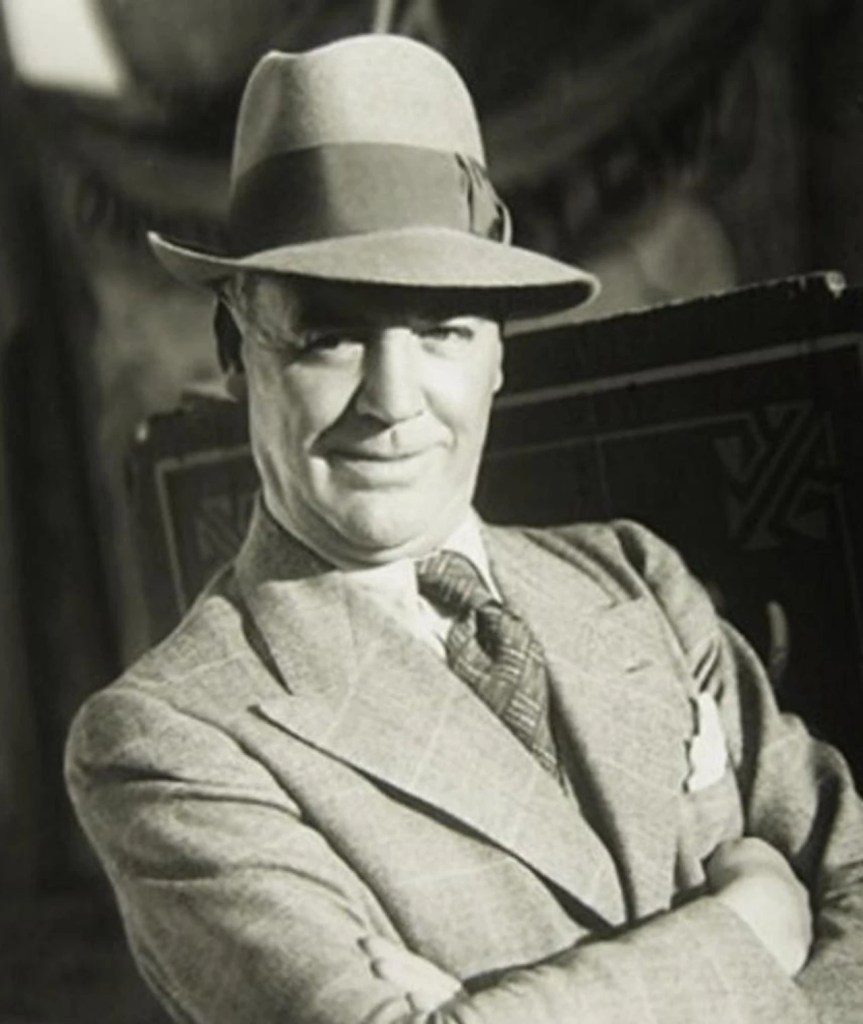
Warner Richmond portrayed “Nails’ Markey”. Richmond was just in the 1930 musical, “Great Day”, starring Joan Crawford and Johnny Mack Brown. He followed this picture with the Jackie Coogan, 1931, “Huckleberry Finn”.
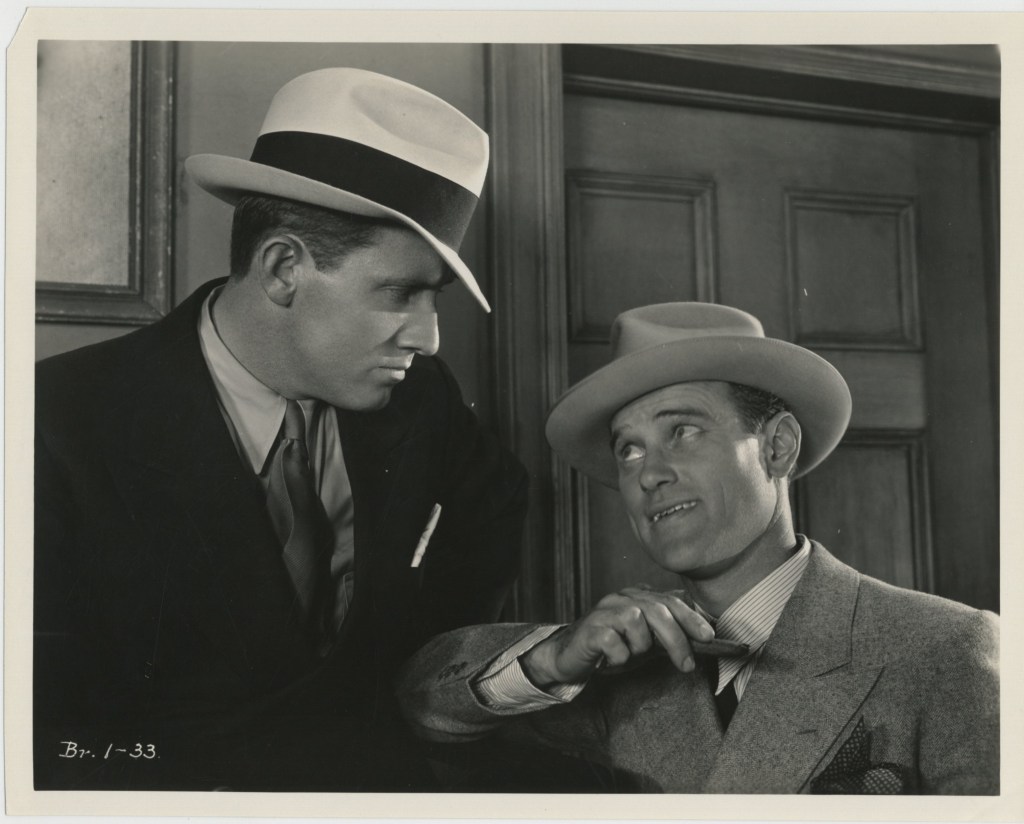
GEORGE RAFT portrayed “JIMMY KIRK”.
My reader will find that several film historians, and reviews of the movie at the time of its release. Either, mentioned that it was Owen Vincent “Owney” Madden”, who recommended Raft for this role to director Roland Brown. Or, second, took the counter to that view, and stated, that Rowland Brown, just wanted someone that had “Sex Appeal”, remember this was a Pre-Motion Picture Code Film, and had seen Raft’s dancing. Which to the director, decided, that George Raft, was perfect for “Jimmy Kirk”.
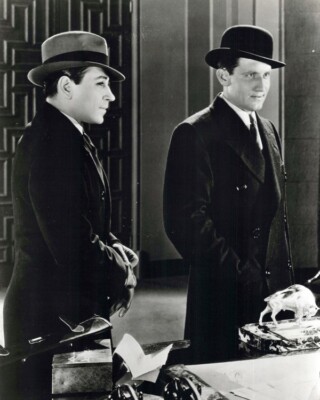
A Very Basic Overview of the Screenplay:
“Daniel ‘Bugs’ Raymond” is a truck driver tired of driving trucks for other’s, and not going anywhere. He turns criminal, sets up a protection racket to control the use of trucks, and who drives them.
“Bugs” already has a girlfriend, “Daisy”, but sees “High Society Girl”, “Dorothy Stone”. “Dorothy”, who is already engaged to be married, falls for “Daniel Raymond”, business leader. While, “Bugs Raymond”, sees “Dorothy” as a means of raising his social status, but also being able to manipulate “Dorothy’s” brother. Through which he meets the brother’s political and business contacts, and gets him to depend upon “Daniel Raymond” to keep the business going and growing.
Meanwhile, “Raymond’s” gang, because of “Bugs” now being seen as a respected business man to those in the Stone family circle, is able to steal incriminating evidence against politicians and other’s for blackmail.
“Bugs Raymond’s” main “Lieutenant”, is his ENFORCER, “Jimmy Kirk”.
There is a deliberate set-up sequence, in which “Bugs’s” criminal gang is seen relaxing and joking around. The purpose of this somewhat odd sequence to the story, is for director Roland Brown to work in a sexual, for the year, George Raft dance routine.
However, besides being a “sexual dancer” for the ladies, “Jimmy Kirk” is an unemotional, cold-blooded murderer. This point is made clear, when he murders a journalist that works for “Bugs Raymond’s” competitor, “Nails Markey”.
I will not reveal the actual ending to this picture, but released six days later, on April 23, 1931, was James Cagney portraying “Tom Powers” in “Public Enemy”. That movie overshadowed at the time of release, and has still made “Quick Millions”, a forgotten crime film.
The following link will take my readers to the only full length video of 1931’s, “Quick Millions”, I could locate, it has foreign subtitles.
https://ok.ru/video/284472904355
How about being in a romantic comedy starring Spencer Tracy, and Jean Harlow? That was released right before Harlow’s, classic, 1931, “Platinum Blonde”, with second billed Loretta Young.
The motion picture was, “GOLDIE”, released June 28, 1931, but George Raft, after “Quick Millions”, was once again reduced to the uncredited role of a, “Pickpocket”, in it.
The problem with old movies, is there old, and records are lost, or long destroyed. What we have left, is maybe a sentence or two, and everyone copies it as the movie’s plot. I’ve previously mentioned Courtney Terrett, and a 1931 movie entitled “Hush Money”, released July 5, 1931, that he wrote. I can tell my reader that George Raft portrayed a gangster named “Maxie”, Joan Bennett portrayed “Joan Gordon”, Myrna Loy portrayed “Flo Curtis”, Hardie Albright portrayed “Stuart Elliot”, and C. Henry Gordon portrayed “Jack Curtis”. As to the plot, the following is what appears on several websites, and I could not find any newspaper reviews of the film from its release.
“The story follows a young woman with a shady past who attempts to leave her old criminal associations behind. She marries a wealthy man, but her new life is quickly threatened when her old criminal acquaintances—including Raft’s character and a sinister blackmailer—track her down and attempt to extort her.”
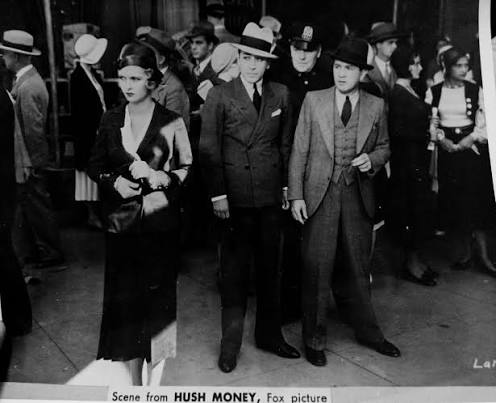
Above, Joan Bennett (“Elizabeth Collins Stoddard” on television’s “Dark Shadows”, 390-episodes, 1966-1971) as , George Raft, and Hardie Albright.
Next, George Raft was 7th-billed as “Joe”, one of the two henchmen, of pre-“Flash Gordon’s”, “Ming the Merciless”, Charles Middleton, portraying phony psychic, “Dr. Yolando”.
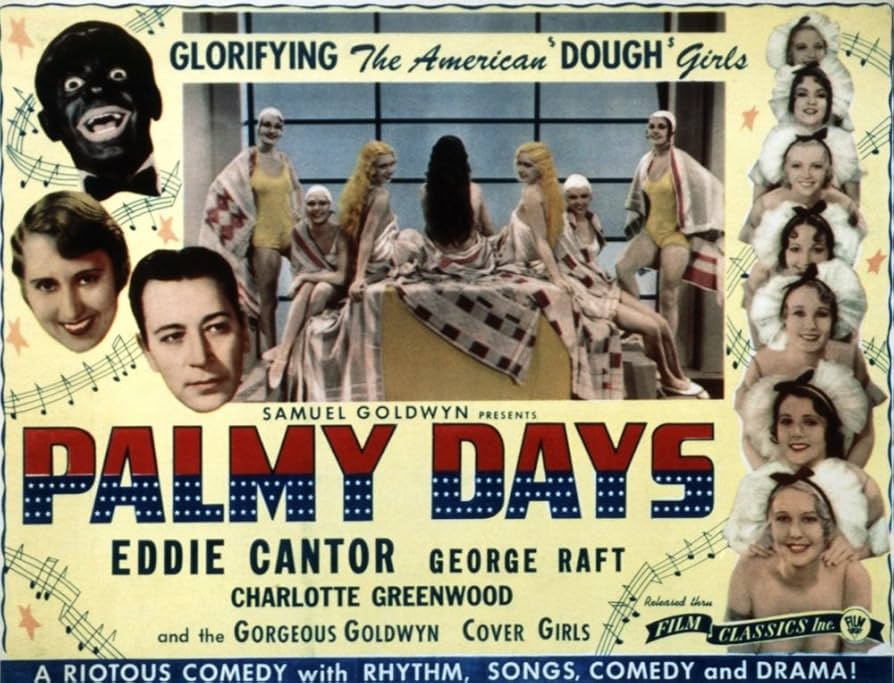
PALMY DAYS premiered in New York City on September 23, 1931
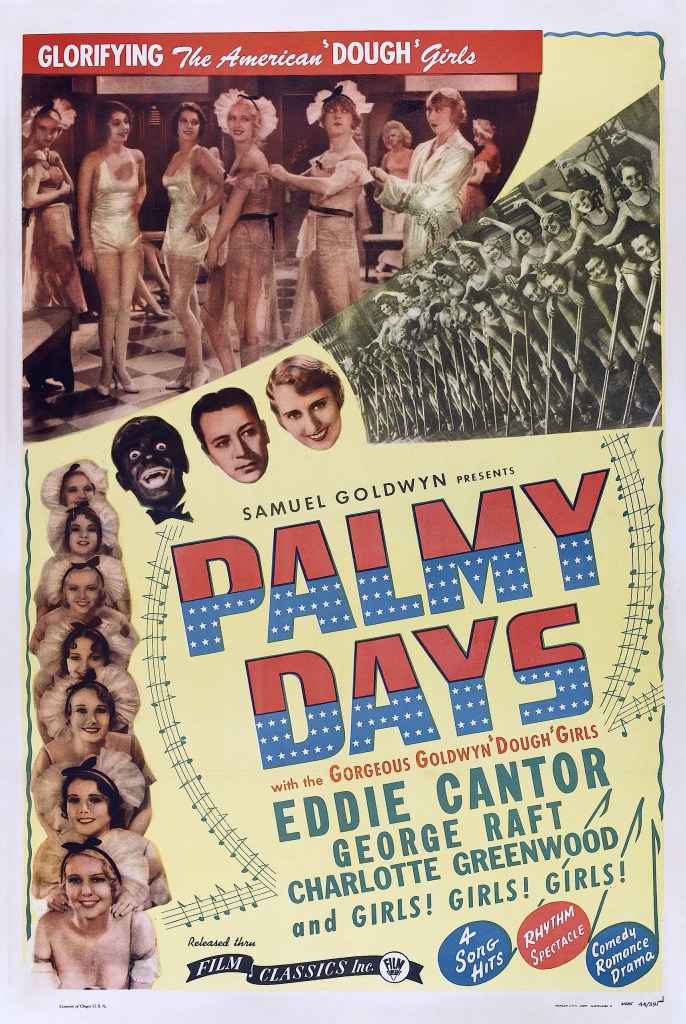
The above poster is an example of the publicity department for “Samuel Goldwyn Productions” knowing that your spot on the “Official Cast Listing”, does not always mean you’re not what the public wants to see. The motion picture was a pre-motion code, anything goes if you can get it by the censors, Eddie Cantor musical. Cantor, who portrayed “Eddie SImpson”, is shown first in Blackface. George Raft is shown second as “Joe”, and Charlotte Greenwood, second on the official cast list, is shown with third-billing.
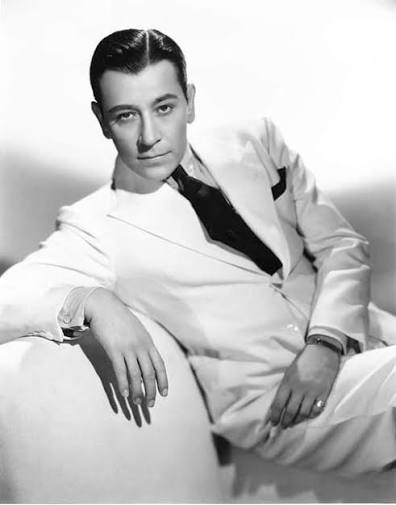
Above, George Raft, below, , Charlotte Greenwood and Eddie Cantor
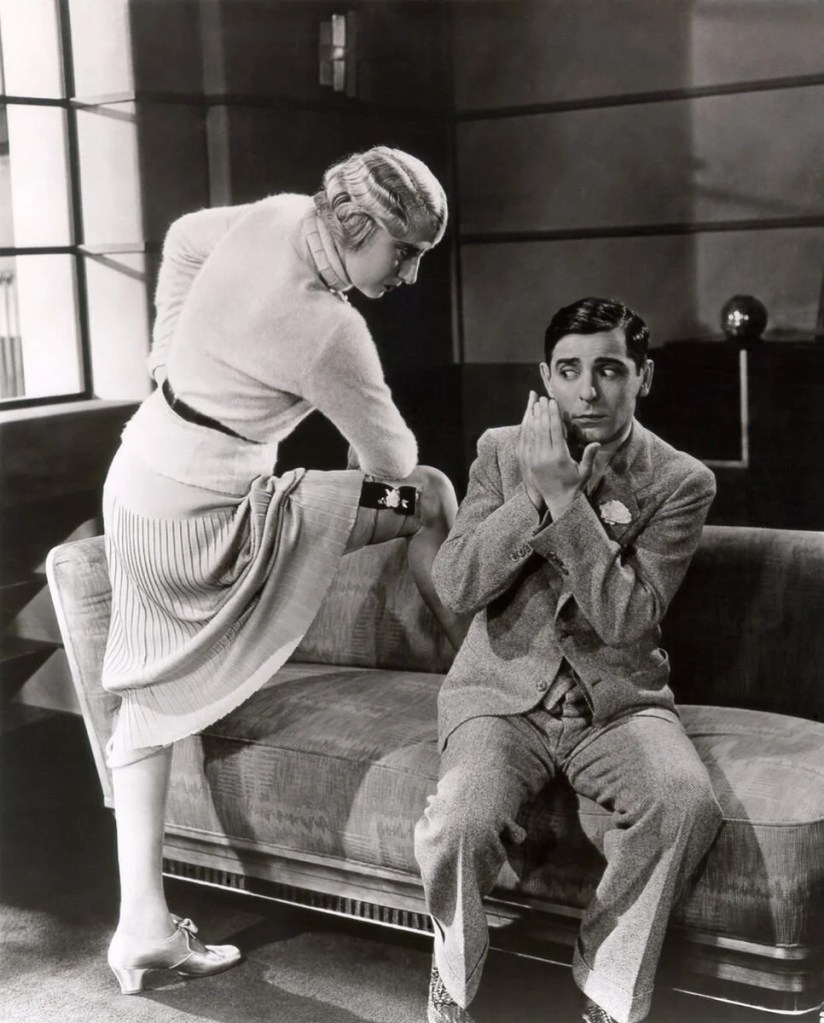
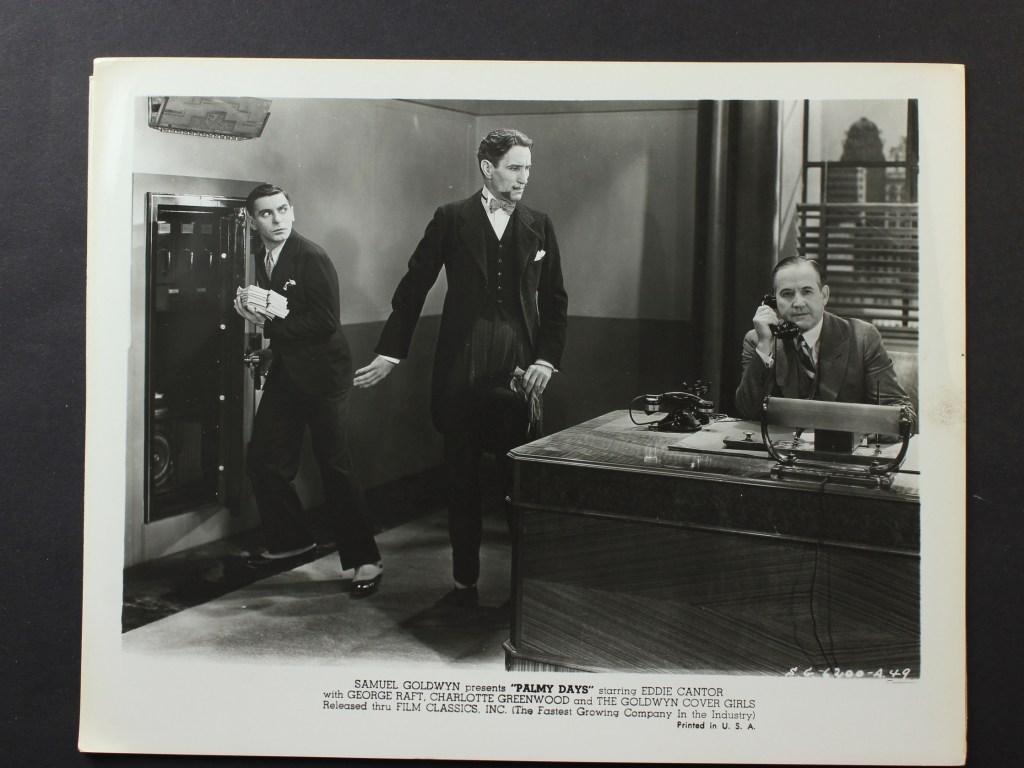
Above left to right, Eddie Cantor, Charles Middleton, and Spencer Charters portraying “Mr. Clark”.
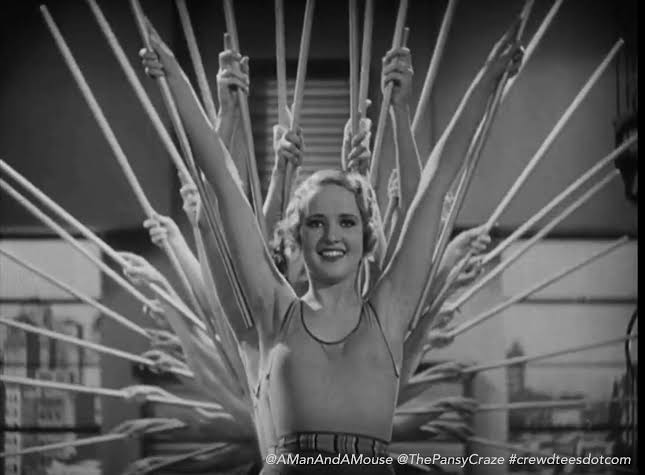
In a musical, even one that borders on a 1931, “Gay Musical”, co-written by Eddie Cantor, with the “Goldwyn Girls”, and buried within them, a 14-years old, Betty Grable, below, a long way from stardom.
It is surprisingly, that George Raft did not dance. His major role was described as a “Menacing Hoodlum” working for “Yolando”. The “IMDb” website for the movie, at:
https://www.imdb.com/title/tt0022246/?ref_=ttrel_ov_bk
Describe’s Raft’s role as being:
– —utilized to add muscle to the mob rather than to tap across the art-deco bakery.
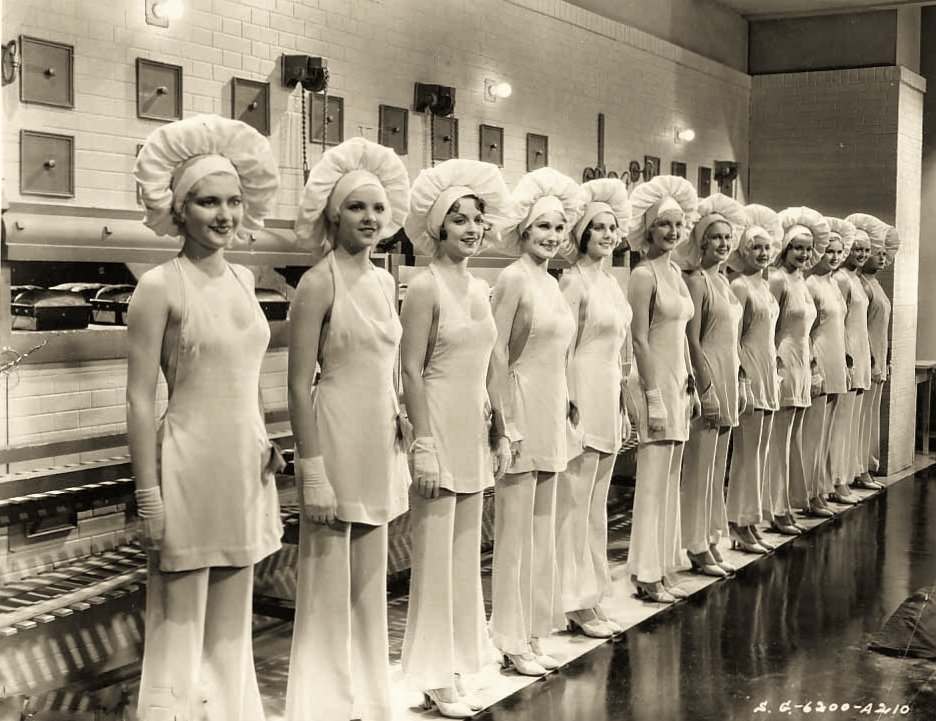
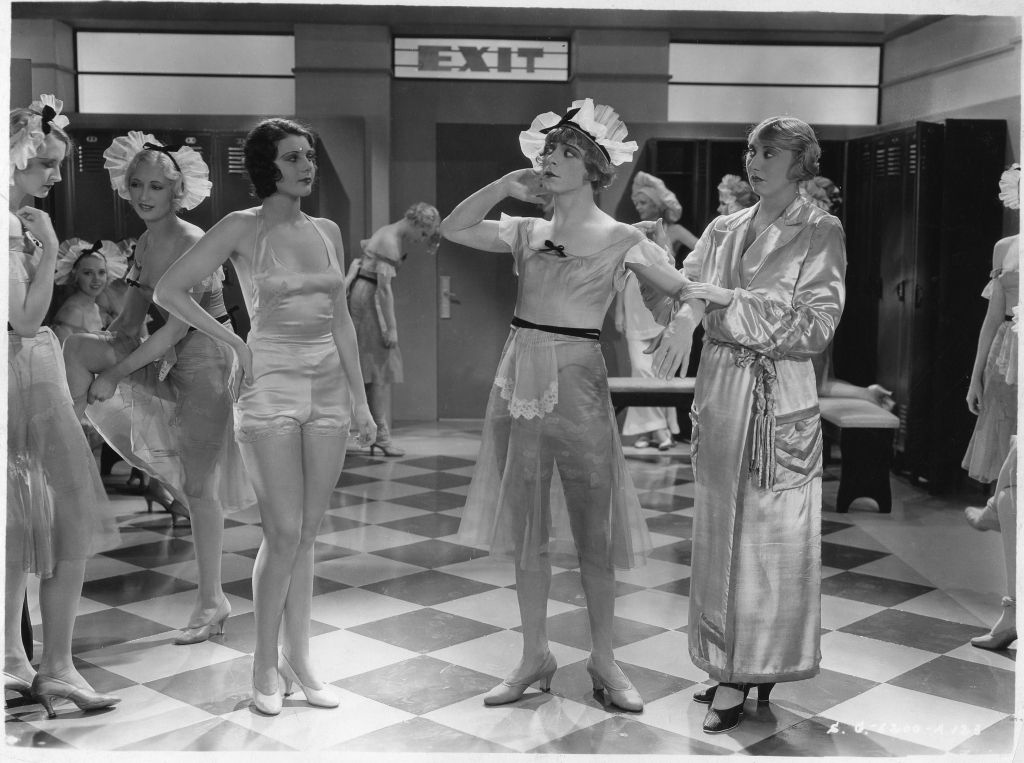
Above left to right, Barbara Weeks, Eddie Cantor, and Charlotte Greenwood, and below, George Raft as “Joe”.
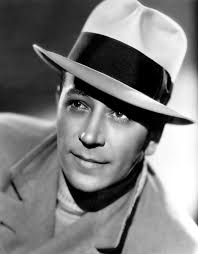
On December 29, 1931, “Warner Brother’s”, premiered in London, England,”Taxi”, starring James Cagney and Loretta Young. In the picture, George Raft was back to dancing, EXCEPT as the uncredited “William Kenney – Dance Contestant”
The following is the partly modified, “The Barn Story”, from my article, “HOLLYWOOD: Segregated Housing, Motion Picture Studios, and Movie Palaces” at:
https://www.bewaretheblog.com/2019/04/hollywood-segregated-housing-motion.htm
In December of 1913, Cecil B. DeMille, and producer, Jesse Lasky, leased “The Barn” for $250 dollars a month, and began production of DeMille’s 1914 release, “The Squaw Man”. Their company was called “Jesse L. Lasky Feature Play Company”.

Above, Cecil B. DeMille, and below, Jesse L. Lasky

Today, “THE BARN”, is the “Hollywood Heritage Museum”.
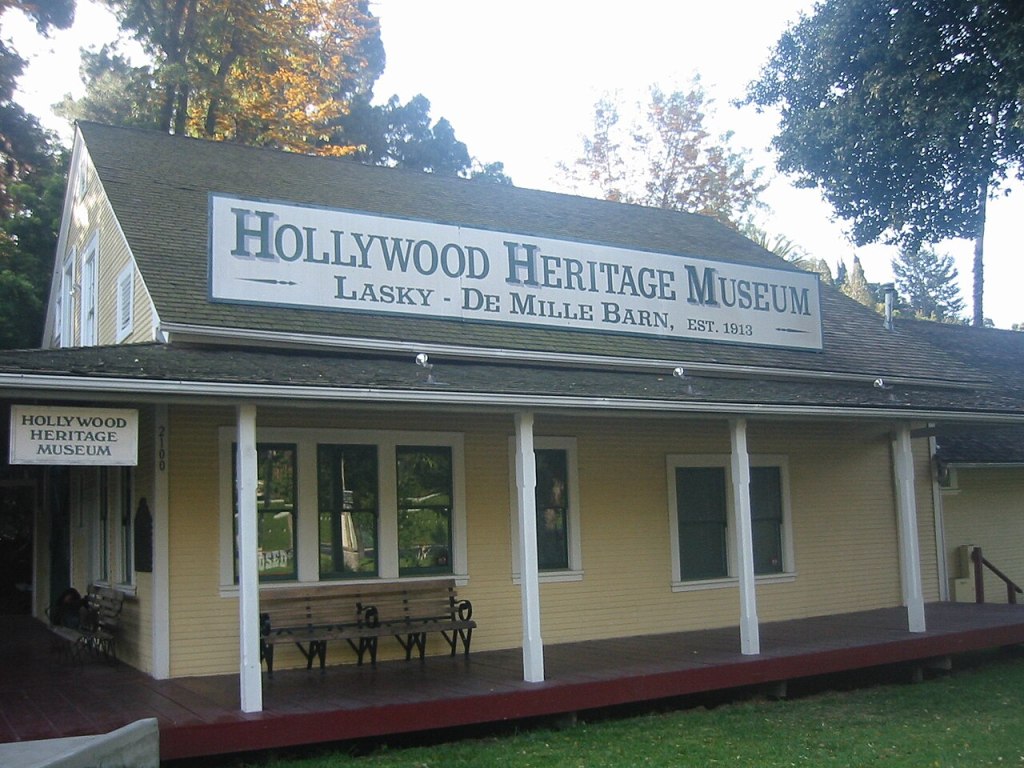
On May 8, 1914, “Paramount Pictures Corporation”, formally known as “Progressive Pictures”, was founded by Utah theater owner, William Wadsworth Hodkinson.

On May 15, 1914, Hodkinson signed two five-year contracts, with the “Jesse L. Lasky Feature Play Company”, and Adolph Zukor’s, “Famous Players Company”, to distribute their motion pictures.
On June 28, 1916, “Jesse L. Lasky Feature Play Company”, became the “Famous Players Lasky -Corporation”. Jesse, had merged with producer, Adolph Zukor.
Below Adolph Zukor.

The new studio, still used the name “Paramount”, but was moved from “The Barn” to 5555 Melrose Avenue in Hollywood. The new company was now simply called “Paramount Pictures”. The same address was now that of “Western Costume”, a subsidiary, at the time, of the studio.
Below, is the main gate to “Paramount Pictures” under construction in 1925.

Returning to new material. The “Great Depression” began in 1929, and in its third year, 1931, “Paramount Studios” was having major financial problems that could lead to bankruptcy. Adolph Zukor, hired John D. Hertz, the taxi/rental car magnate and financial wizard to solve them.
While, in February 1932, a the decision was made to offer George Raft, a two-year-contract. This was, apparently, based upon what someone at “Warner Brothers”, had told someone at “Paramount”, about his performance, in the not yet released, “Scarface”. It was out of the norm, for a major studio to put under contract, let alone a two-year one, an actor who played small, or uncredited roles, rather than potential leading actor material. However, the “Paramount Executives” took the gamble.
George Raft’s, first,“Paramount Pictures” release, had been filmed after “Scarface”, but RELEASED BEFORE IT.
DANCERS IN THE DARK released on March 11, 1932
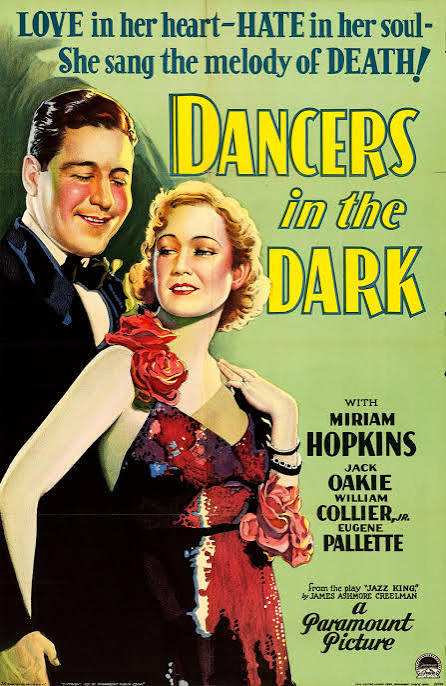
I direct my reader to the above poster for the motion picture and the fact that the name, George Raft, is absent from it.
Miriam Hopkins portrayed “Gloria Bishop”, Jack Oakie portrayed “Duke Taylor”, and the missing name of 6th-billed, George Raft portrayed “Louie Brooks”.
According to Everett Anker’s “The Films: George Raft“:
“George Raft, billed sixth, was listed much lower in the cast than the size of his role indicated because he was at the dawn of his career. His part was as large as any of the other players except for Hopkins and arguably Oakie. The same thing had happened to Raft previously in his earlier film Quick Millions, a gangster vehicle starring Spencer Tracy, in which Raft’s role was extremely large and colorful, even featuring some dancing.”
In actuality George Raft’s role was larger than Miriam Hopkins, but she and Jack Oakie had the major name recognition.
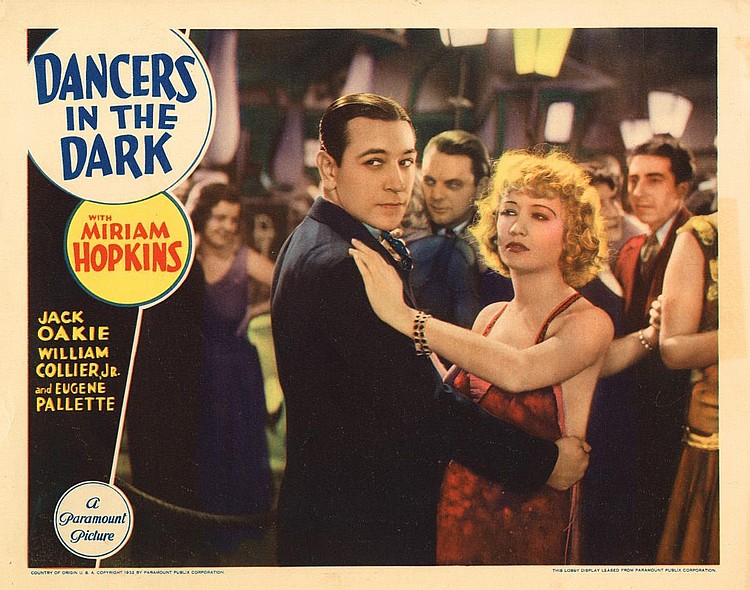
Above, George Raft and Miriam Hopkins, she was “Ivy Pearson” in the Fredric March, 1931, “Dr. Jekyll and Mr Hyde”, and this was only her sixth feature film. Below, Jack Oakie and Miriam Hopkins.
The Plot:
The story takes place in a dance hall located in the downtown section of an unnamed city. It revolves around four people, of which three are in a small band. They’re, band leader “Duke Taylor”, his singer “Gloria Bishop”, and his saxophone player, “Floyd Stevens” portrayed by William Collier, Jr.
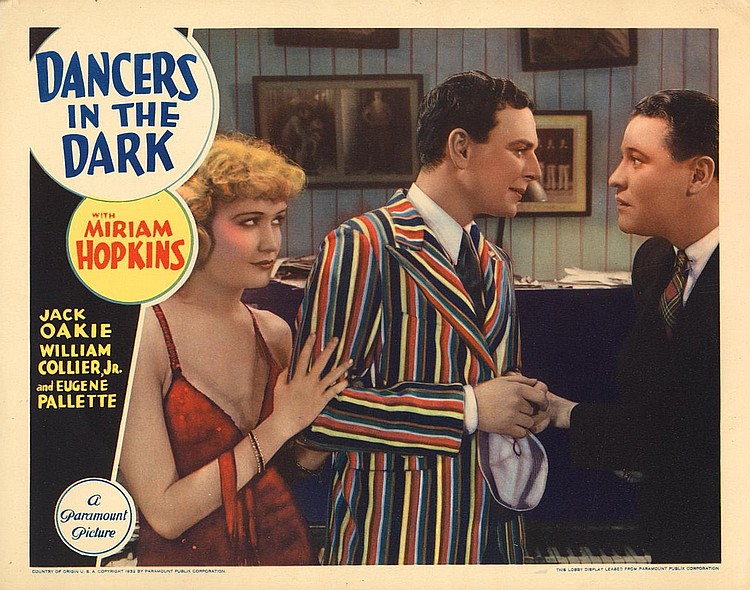
Above left to right, Miriam Hopkins, William Collier, Jr., and Jack Oakie.
The fourth person is local gangster and regular dance hall patron “Louie Brooks”.
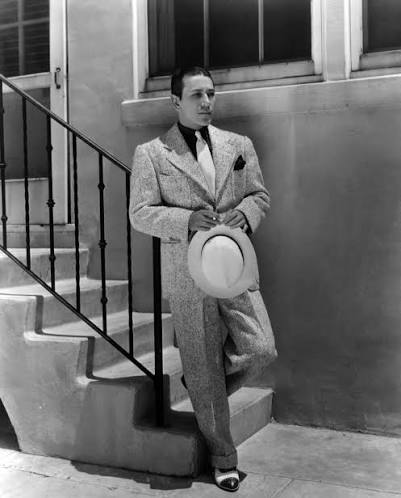
The Contrived Plot:
The audience learns two things, “Gloria”, has had a sexual relationship with both “Duke” and “Louie”.
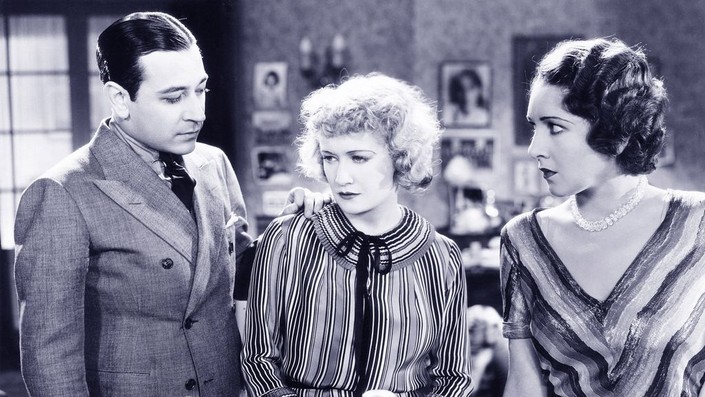
Above left to right, George Raft, Miriam Hopkins, and unidentified actress.
She is afraid that her new love, “Floyd”, will find out about her past. As for “Gloria” and “Floyd”, “Duke” thinks she’s not good enough for him, because “Duke” looks upon “Floyd” as a younger brother. “Louie” is interested in restarting his relationship with “Gloria”, but, also, is figuring out how to rob the dance hall’s safe, located on the second floor, without attracting attention. On the other hand, “Duke” wants to restart his relationship with “Gloria”, but “Floyd” proposes to “Gloria”, she accepts, but puts “Floyd” off. While, “Duke” is able to get “Floyd” to go out of town and plans to use the time to expose “GLORIA’S SHALLOW NATURE” to protect “Floyd”, but instead realizes that he actually loves her.
One evening with the dance hall full of customers, “Louie”, and his protege, “Benny”, portrayed by Paul Fix of television’s “The Rifleman”, go up the stairs to rob the safe.
My article is “PAUL FIX: The Character Actor Who Taught John Wayne to Walk” is found at:
https://www.bewaretheblog.com/2018/02/paul-fix-character-actor-who-taught.html
However, this results in the murder of the dance hall manager, “Max”, portrayed by Maurice Black. The entire sequence is not seen shown on-screen.
HOWEVER, “Gus”, the dance floor manager, portrayed by Eugene Pallette, realizes something is happening upstairs, and has called the police. They arrive, but earlier at gun point, “Louie” has taken “Duke” as a hostage. A clever bit happens, as “Duke”, even at gunpoint, fast talks “Louie”, and orders the band to play”St. Louis Blues”. The song alerts the police that “Louie” is in the building, because it’s his favorite that is only played for him.
While the above is taking place, “Benny” is able to get away, but this now leaves “Louie” trapped by the police. The ending comes with “Louie” out on the ledge of the second story and slips and falls to his death. “Gloria” and “Duke” realize that they’ve always been in love with each other.
Next, on-screen, came the real answer to the question, by giving the unknown George Raft, a two-year “Paramount Pictures” contract, pay off?
SCARFACE premiered in New Orleans, Louisiana, on March 31, 1932
The following are two interesting posters for the placement of and the actual actor name’s on them. First, the original release poster:
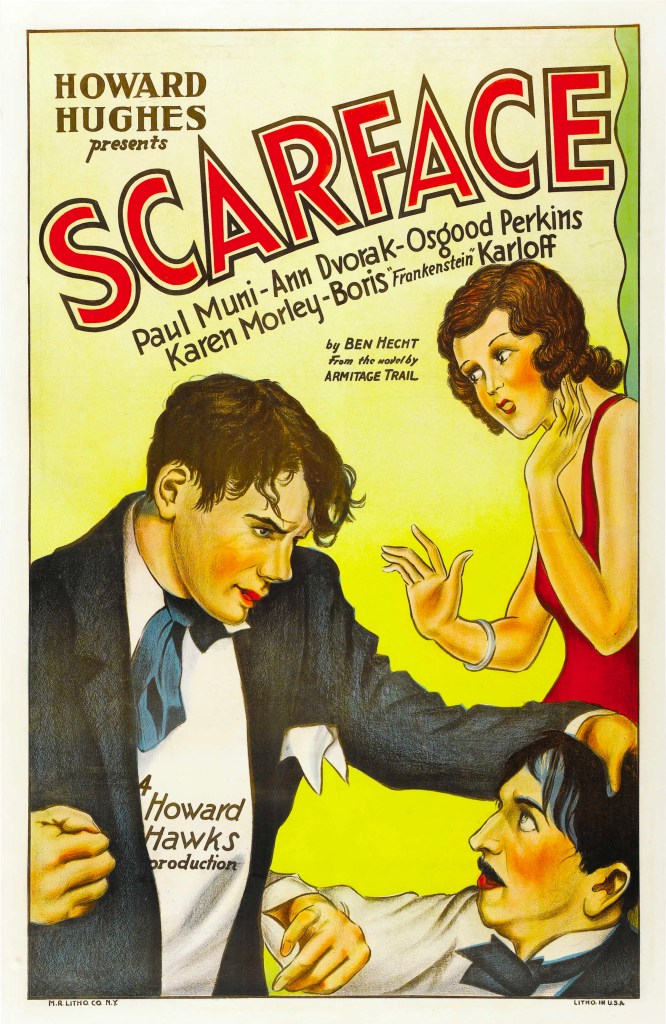
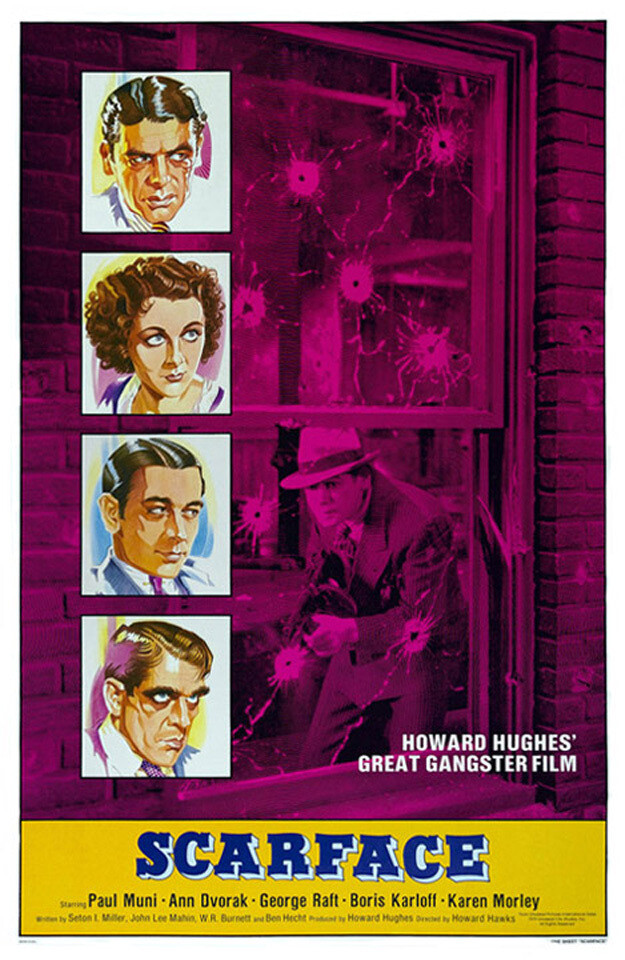
After the movie was released, and the film critics and the public started to view it. There was slight difference with the cast members listed on the film’s posters.
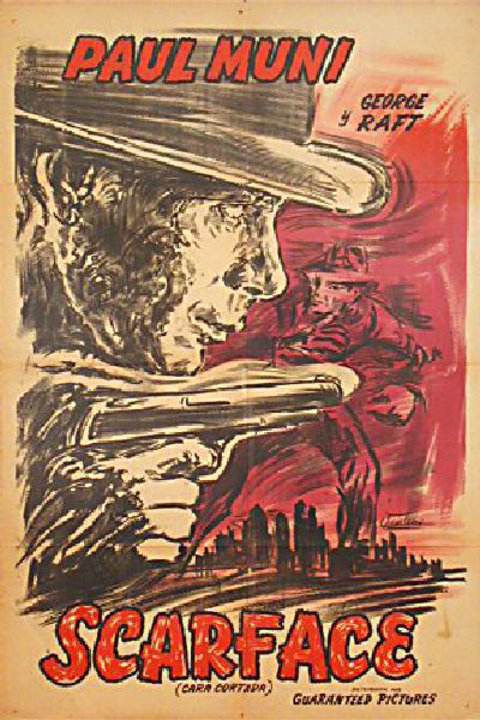
By the time the motion picture was released in foreign countries. There was a different change to whose names sold tickets to the foreign public, as these posters from Argentina, and France indicate.
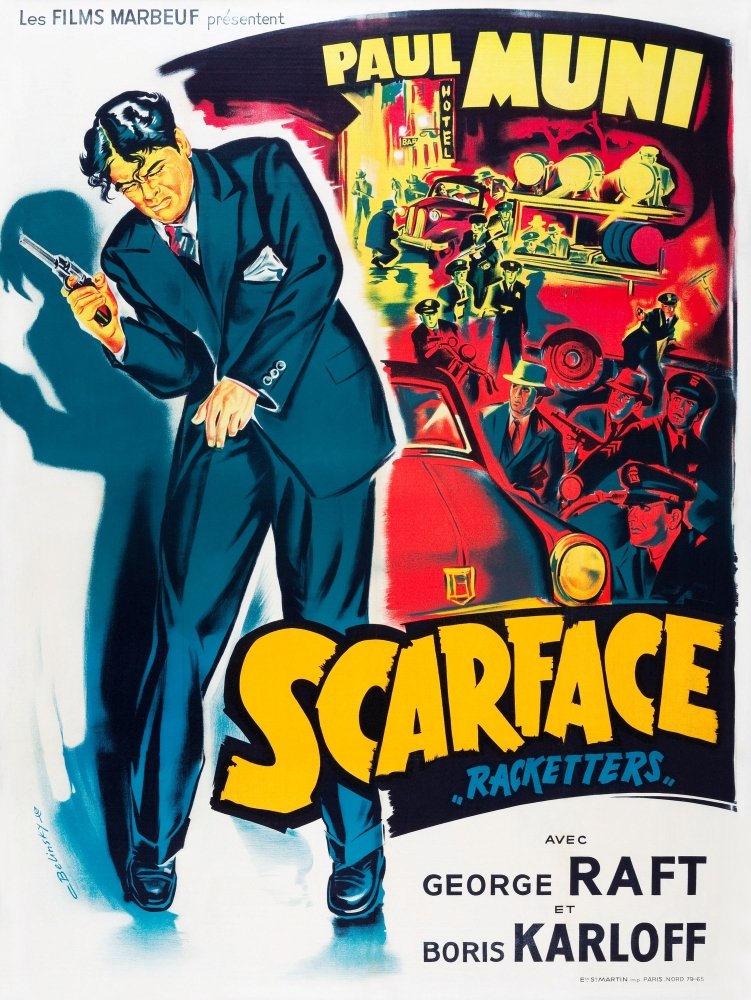
This was the original pre-motion-code, violent and sex filled, motion picture. It would be remade by Brian De Palma in 1983.
There were two producers, both technically without credit, but whose names are on the picture.
The independently made motion picture was, in the terminology of the 1930’s, “Presented by Howard Hughes”. My article is, “HOWARD ROBARD HUGHES, JR.: The Motion Pictures”, and can be read at:
http://www.bewaretheblog.com/2018/08/howard-robard-hughes-jr-motion-pictures.html
The second producer, was also the motion picture’s co-director, Howard Hawks. I wrote an article on one of his classic westerns and the two remakes that Hawks, himself, shot. That article is, “Howard Hawks: ‘RIO BRAVO’ Remade (?) as ‘EL DORADO’ and ‘RIO LOBO’ Starring John Wayne”, found at:
http://www.bewaretheblog.com/2017/10/howard-hawks-rio-bravo-remade-as-el.html
The other co-director was Richard Rosson, who was an actor in 89-films, and directed 21. His directing is found on the forgotten 1927, horror science fiction “The Wizard”, the 1928, Douglas Fairbanks, Jr. drama, “Dead Man’s Curve”, and the Lionel Barrymore, 1928, crime drama,“Road House”.
The novel, published in 1930, was written by the interestingly named Armitage Trail, actually Maurice R. Coons.
There are six names that worked upon the screenplay.
The first was Ben Hecht, who turned the novel into a workable story for a motion picture. Hecht was nominated six-times for the “Academy Award” for his writing and won twice. His first win was for 1927’s, “Underworld”, with co-writer Howard Hawks, his other nominations included director William Wyler’s, 1939, “Wuthering Heights”, and director Alfred Hitchcock’s, 1946, “Notorious”.
Uncredited in writing the screenplay were Howard Hawks, and Fred Pasley. This was Pasley’s only screenplay, but he wrote a 1930 biography of Al Capone.
The realistic dialogue, important to both Hawk’s, and Howard Hughe’s, came from Seton I. Miller, 1938’s, “The Adventures of Robin Hood”, John Lee Mahin, 1932’s, “Red Dust”, and W. R. Burnett, 1950’s, “The Asphalt Jungle”.
The Leading Cast:
Paul Muni portrayed “Antonio ‘Tony’ Camonte”. Muni had been born Frederich Meshilem Meier Weisenfreund and was a major actor in the Yiddish Theater. He had just been in his second on-screen appearance, in the early all-talkie, 1929’s, “Seven Faces”, portraying five historical figures, and two fictional. Muni would follow this motion picture with another crime classic, 1932’s, “I Am a Fugitive from a Chain Gang”, directed by Mervyn LeRoy.

Ann Dvorak, whose name is dropped from the posters, portrayed “Francesca ‘Cesca’ Camonte”. Technically under her birth name of Anna Lehr, at the age of four, Dvorak, the “D” is silent, appeared in her first motion picture, 1916’s, “Ramona”. Two more movies followed as a baby, and then in 1929, at the age of 18, the actress started appearing as Ann Dvorak, in a short subject as a doll, starring Lionel Barrymore as the “Toymaker”. Before this motion picture, she had co-starred with Spencer Tracy in 1932’s, “Sky Devils”.
Ann Dvorak, became the interest of Howard Hughes, and he personally “Groomed” the actress for this dramatic role. My reader may take the term “Groomed” to have other meanings. This being a “Pre-Code” motion picture, the relationship between brother and sister was implied to be extremely sexual.
Dvorak followed this motion picture co-starring with James Cagney and Joan Blondell, in 1932’s, “The Crowd Roars”.

Osgood Perkins portrayed “John ‘Johnny’ Lovo”. His career consisted of only 21-roles, and had started with 1922’s, “The Cradle Buster”, Perkins had just been seen in 1931’s, “Tarnished Lady”, starring Tallulah Bankhead and Clive Brook, and directed by George Cukor. He would follow this feature film with 1934’s, “Madame Du Barry”, starring Dolores del Rio, Reginald Owen, and Victor Jory.
Karen Morley portrayed “Poppy”. She was considered for the role of “Camonte’s” sister, but suggested to Howard Hughes, that her friend Ann Dvorak really looked the part. Just after “Scarface” was released, Morley would make the mistake of arguing with MGM management over her roles for the studio. The word was put out, and Karen Morley’s career with the major studios was finished and she could only find minor roles from the Independents.
Morley had just co-starred with John Barrymore and his brother, Lionel Barrymore, in a major “MGM” motion picture, 1932’s, “Arsene Lupin”.

Above left to right, Osgood Perkins, Paul Muni, and Karen Morley.
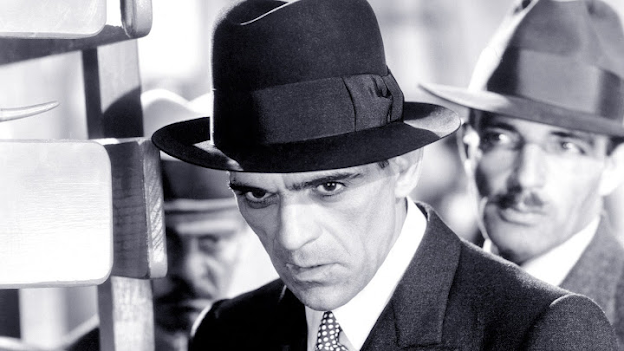
Boris Karloff had the interesting billing, as seen on the above initial release poster, of “Boris ‘Frankenstein’ Karloff”. and portrayed “Tom Gaffney”. Boris Karloff followed this feature with 9th-billing in the Sylvia Sidney and Chester Morris, gangster romance, 1932’s, “The Miracle Man”. My article is “Boris Karloff: There Was More Than Horror Movies (January 15, 1919 to July 20, 1958)” found at:
https://www.bewaretheblog.com/2023/10/boris-karloff-there-was-more-than.html
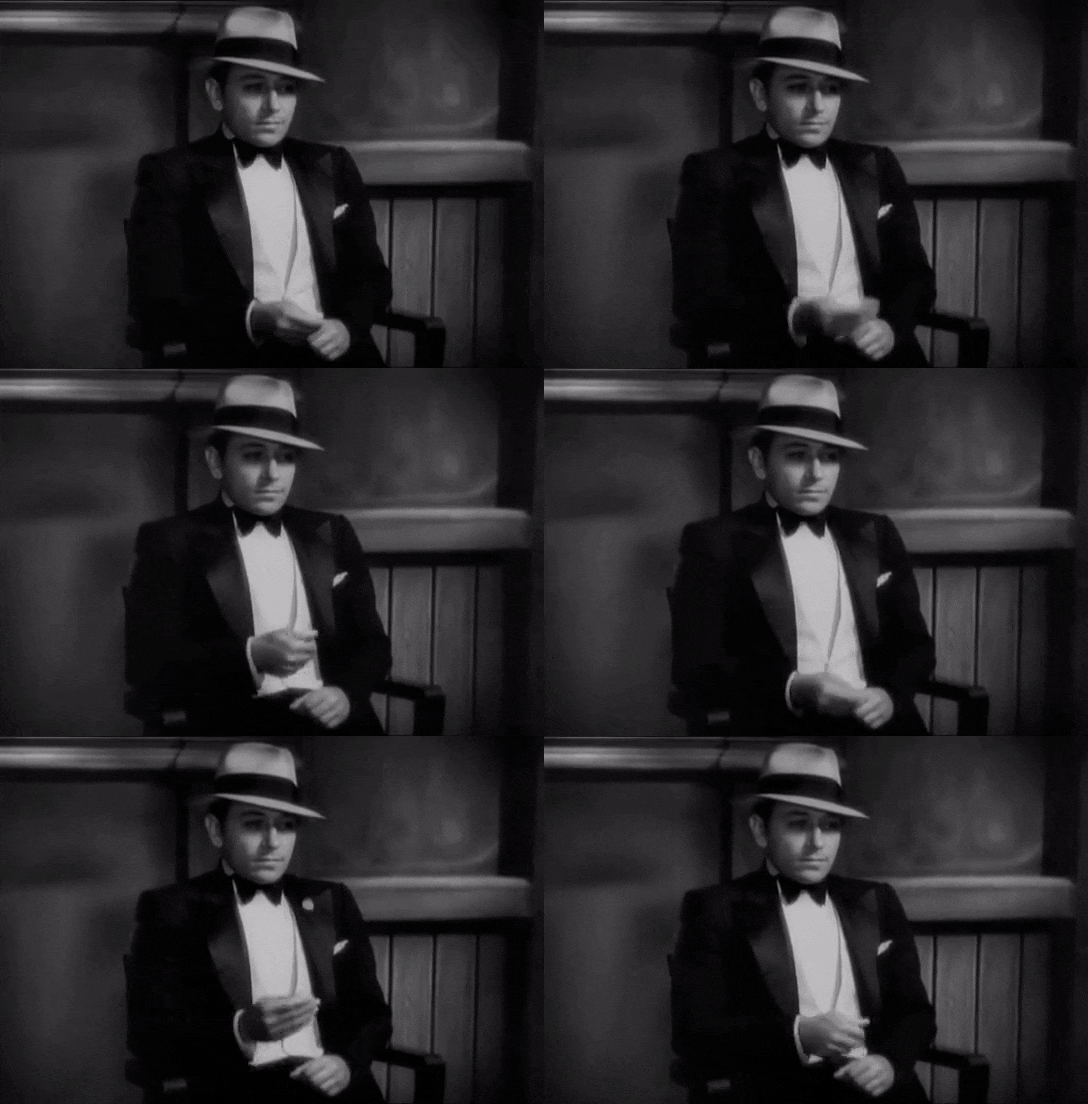
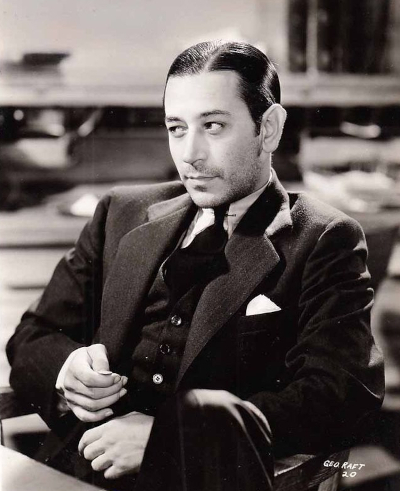
George Raft portrayed “Guino ‘Little Boy’ Rinaldo”. Raft raised his “Hollywood” status with this motion picture.
As most of his scenes required George Raft, to just be seen. He started, what became his trademark, flipping a coin in the air over and over again. This scene, below, actually had the studio receiving letters from women viewers asking about him. The biggest problem for studios was getting the wives and other women into the theater and the “Warner Brothers” executives now realized what they had given to “Paramount”.
The Basic Screenplay:
Where Howard Hughes’ 1928 picture “The Racket” might have gotten some viewers, and especially those in Chicago, to think of Alphonse “Al” Gabriel Capone. There was no such ambiguity with his “Scarface”.
“Tony Camonte, is a level one hood, who becomes the enforcer for bootlegger “Johnny Lovo”.

On orders from “Lovo”, “Tony” kills Italian mob boss “Big Louis Costillo”, portrayed by Harry J. Vejar, and sets off a mob war. On “Lovo’s” additional orders, “Tony” and “Guino Rinaldo” start terrorizing bars on the Southside once controlled by “Costillo” to let them know who’s the new boss.
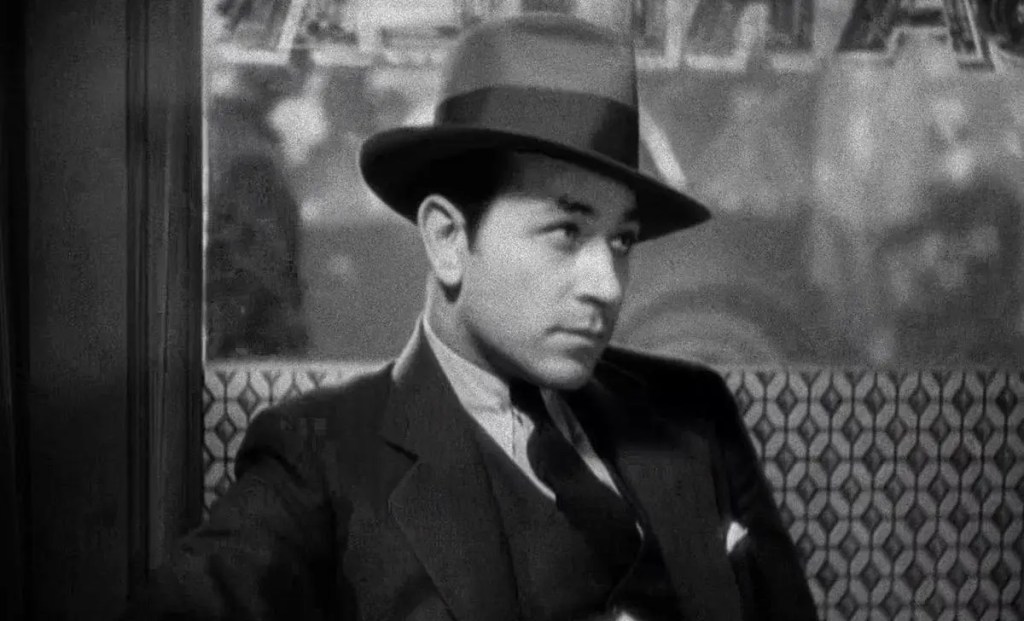
“Tony” urges “Johnny” to take over the Northside of Chicago controlled by an Irish Mobster named “O’Hara”, who is never seen in the picture, but “Lovo” says no to the idea. However, power hungry “Tony Camonte” starts attacking the Irish mob’s businesses.
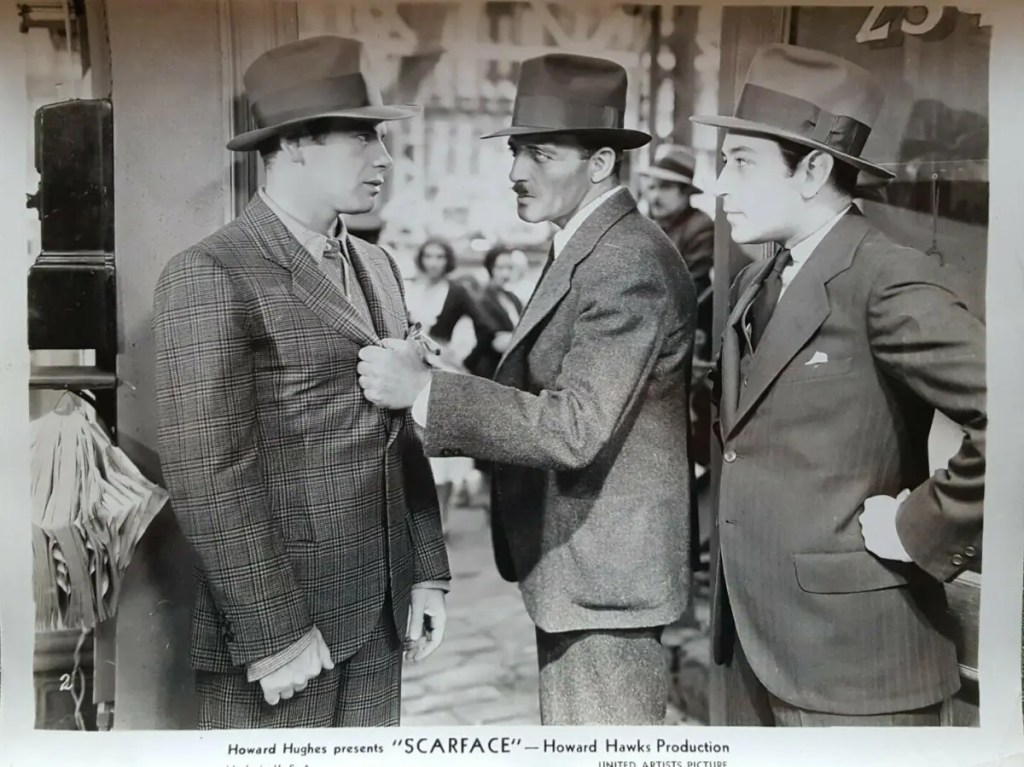
Above, “Police Inspector Ben Guarino”, portrayed by C. Henry Gordon, muscles Paul Muni’s, “Tony Camonte”, as George Raft’s, “Guino ‘Little Boy’ Rinaldo”.=, watches.
“Tony” is visited at this apartment by “Johnny’s” girlfriend “Poppy”. He has her look out his window at the neon sign slogan directly across the street for “Cook’s Tours”. Then tells “Poppy”, that that slogan on the sign is now his belief:
THE WORLD IS YOURS!
“Tony Camonte”, “Poppy”, and “Rinaldo”, have just discovered the power of a machine gun after a devastating attack by “O’Hara’s” gang. Now, “Tony Camonte” takes over “Lovo’s” gang, and pushes “Johnny Lovo” aside.
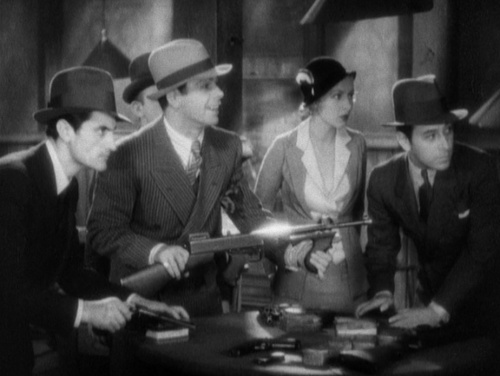

“Tony” has “Guino” assassinate “O’Hara”, thinking that will give him the Northside, but the Irish mob boss has a successor, “Tom Gaffney”.


“Gaffney” sends his men with tommy-guns to the Southside.

“Tony” responds with tommy guns and a mob war is started. On “St. Valentine’s Day”, seven Irish gangsters are lined up and killed. (A major reworking of the actual Al Capone against George “Bugs” Moran gang killings in Chicago).
One by one, “Gaffney’s” men are being killed off, and he goes into hiding. A group of prominent citizens including the chief of police vow to bring “Camonte” down.
During a night at the theatre, “Tony” leans that “Gaffney” and his men are at a bowling alley.

He excuses himself, goes over to the alley, and personally murders “Gaffney”.


Later at dinner, “Johnny Lovo’s” anger with “Tony Camonte” comes to a boil, as the other openly flirts with “Poppy” in front of him, and then dances with her.

“Tony” sees “Cesca” dancing with a stranger, he takes her by force to their mother’s house, slaps and beats her up, but she appears to enjoy it.
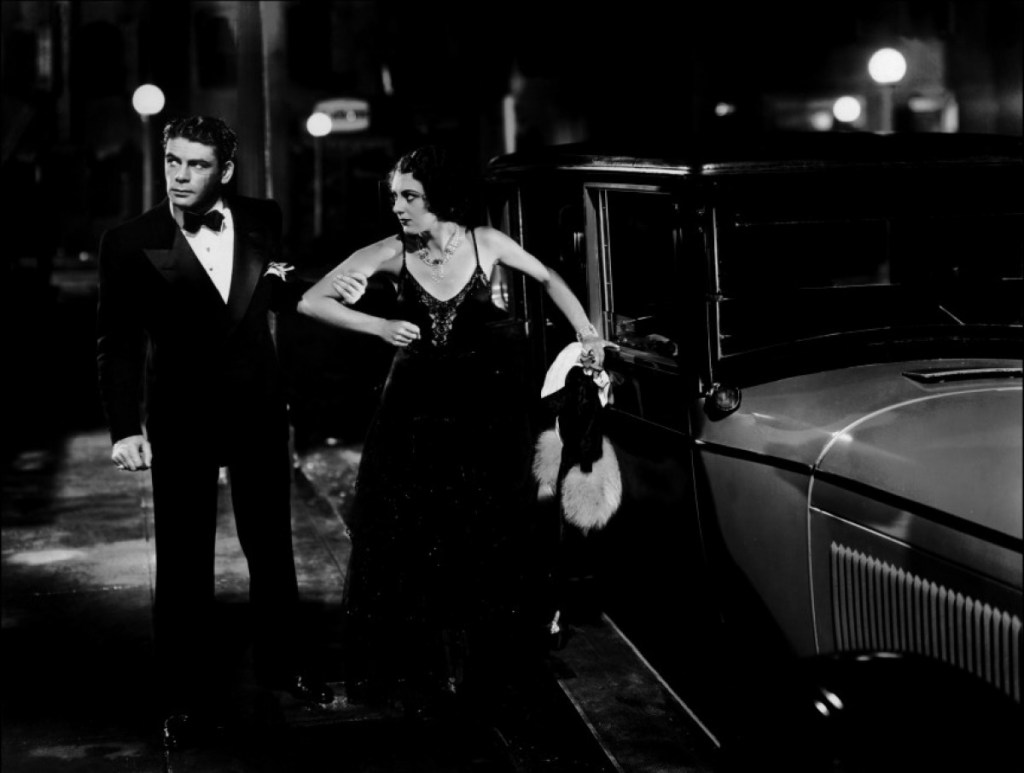
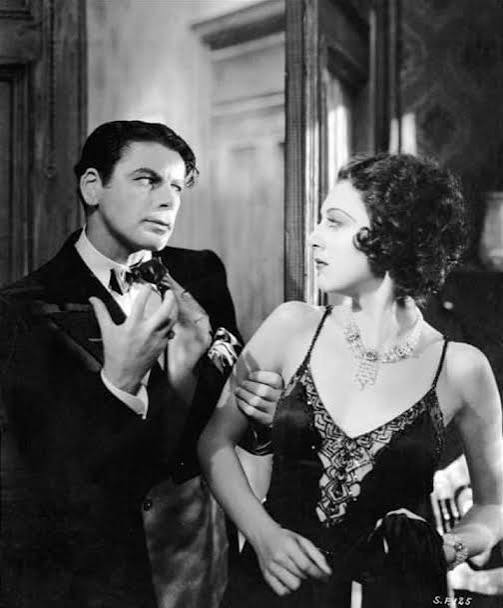
Driving home, a car appears behind “Tony’s”, whomever is inside that car is attempting to assassinate him. “Tony” is able to run the gunmen’s car off the road, but his car also crashes destroying it. However, he survives and now has a cut across his left cheek and his face,. he has now become the title character.

“Tony” suspects “Johnny Lovo” was behind the hit, he forces him to confess and has “Gunio” kill him.
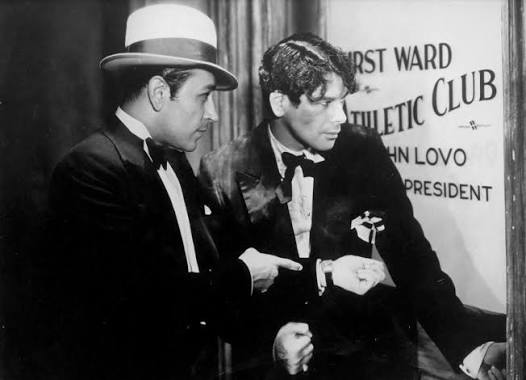
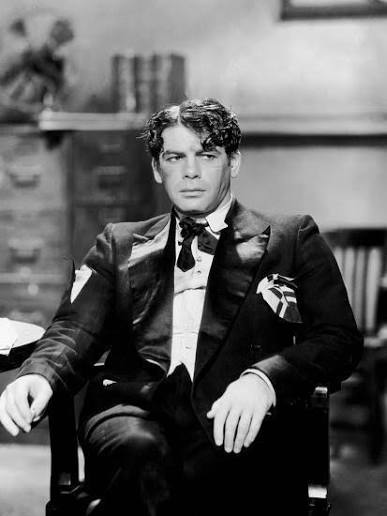
“Tony Camonte”, the undisputed ruler of Chicago, takes “Poppy”, and goes on vacation in Florida to escape the police and the media for a month. While this is happening, at a fancy gathering, “Cesca”, attempts to seduce “Guino”.
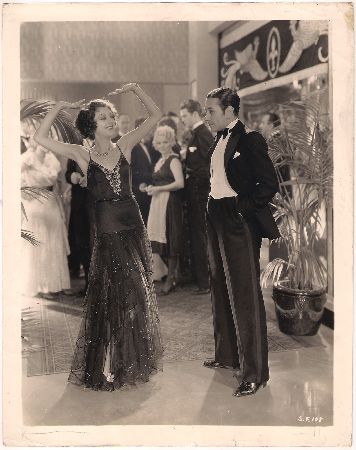
Above, “Cesca” is speaks to “Gino”, about dancing with her. She does a highly seductive dance, and reminds him that she’s only 18, but that fails to get “Gino” and walks away. Later, she secretly visits “Tony’s” office and meets with “Guino”. Where she is finally successful in seducing him.
“Tony” and “Poppy” return from Florida, and “Tony’s” mother tells him that “Cesca” has moved in with another man. He rushes over to his sister’s apartment to find her with “Guino”.
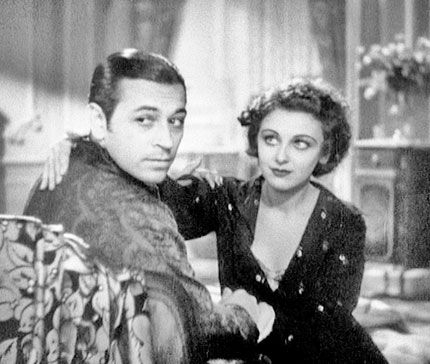
In a jealous rage, “Tony” shoots and kills his friend. “Cesca” with tears coming down her face, tells her bother that she and “Guino” had fallen in love, had just gotten married, and planned to surprise him.

The police finally get a warrant for the arrest of “Tony Camonte”. While, “Cesca” goes to “Tony’s” apartment to kill her brother over “Guino”, but at the moment she walks into the room, the police arrive outside the apartment.

As the police shoot at the apartment’s window, “Cesca” admits she’s always loved her brother, and not as a sister.
Next, “Tony”, laughing manically at the police, shoots out of a window. As a stray return bullet from the police, now hits, and kills, “Cesca”. This maddens “Tony” even more.

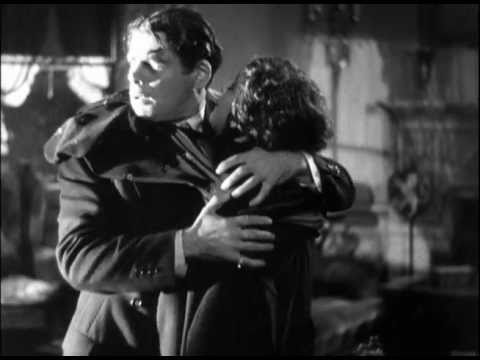

He decides to make an escape, but will be gunned down by an unknown police officer, and die on the street.

Back, in January 1932, George Raft, had been loaned to “Universal Pictures” to appear in:
NIGHT WORLD released on May 5, 1932
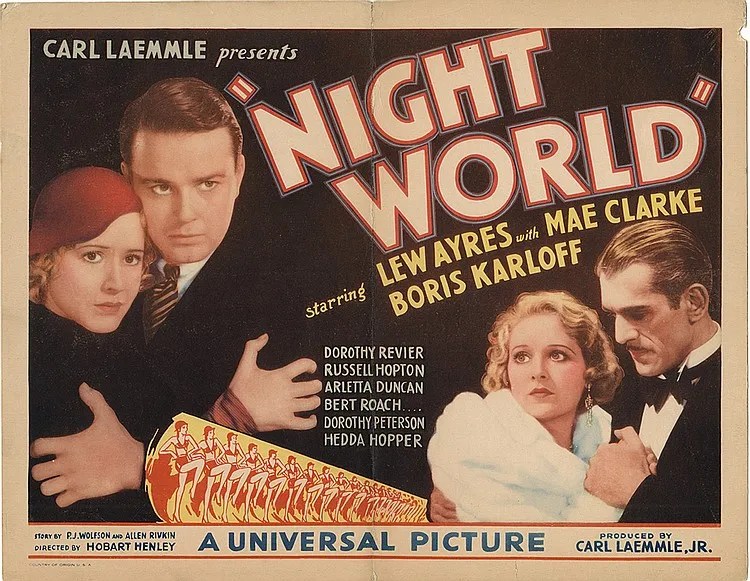
You don’t normally see a movie poster with 9 different actor’s names on it. The 9th name is Hedda Hopper, who would switch from acting to become one of the two most powerful “Hollywood” gossip columnists, and have legendary battles with the other, Louella Parsons.
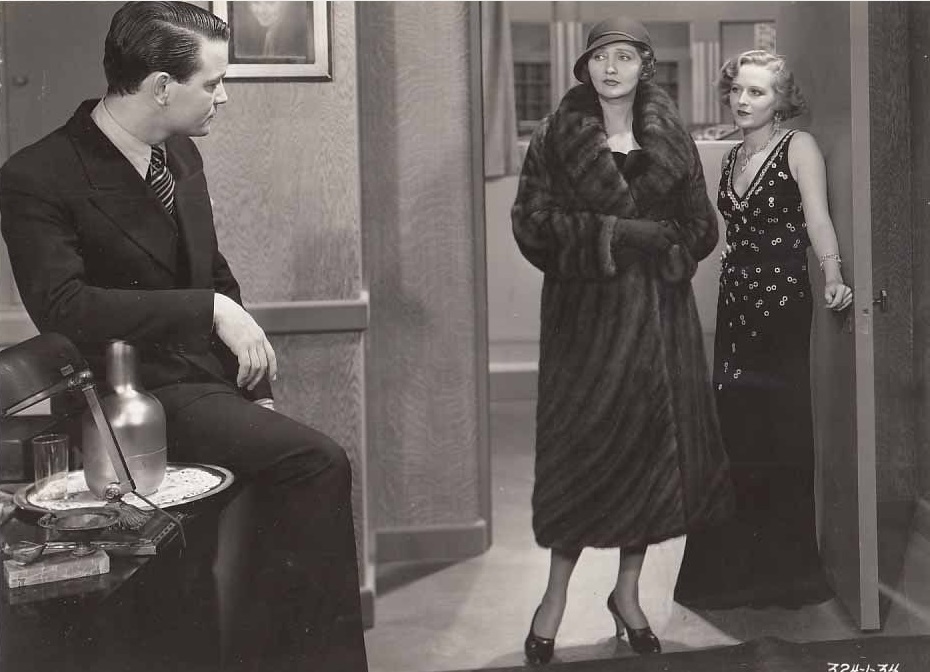
Above left to right, 1st-billed Lew Ayers portraying “Michael Rand”. Ayers had starred in the 1930, classic anti-war feature, “All Quiet on the Western Front”. To his immediate right, was Hedda Harper portraying his mother, “Mrs. Rand”, and to her right, was 4th-billed, Dorothy Revier portraying “Jill MacDonald”. Revier was a major silent screen “Vamp”,or a Jazz Age Female Vampire ruining men’s lives.
Below left to right, 10th-billed, George Raft portraying gangster, “Ed Powell”, Lew Ayers, and Mae Clarke portraying “Ruth Taylor”. Mae Clarke portrayed “Elizabeth”, in 1931’s, “Frankenstein”.
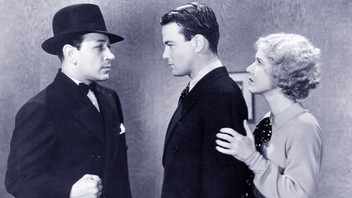
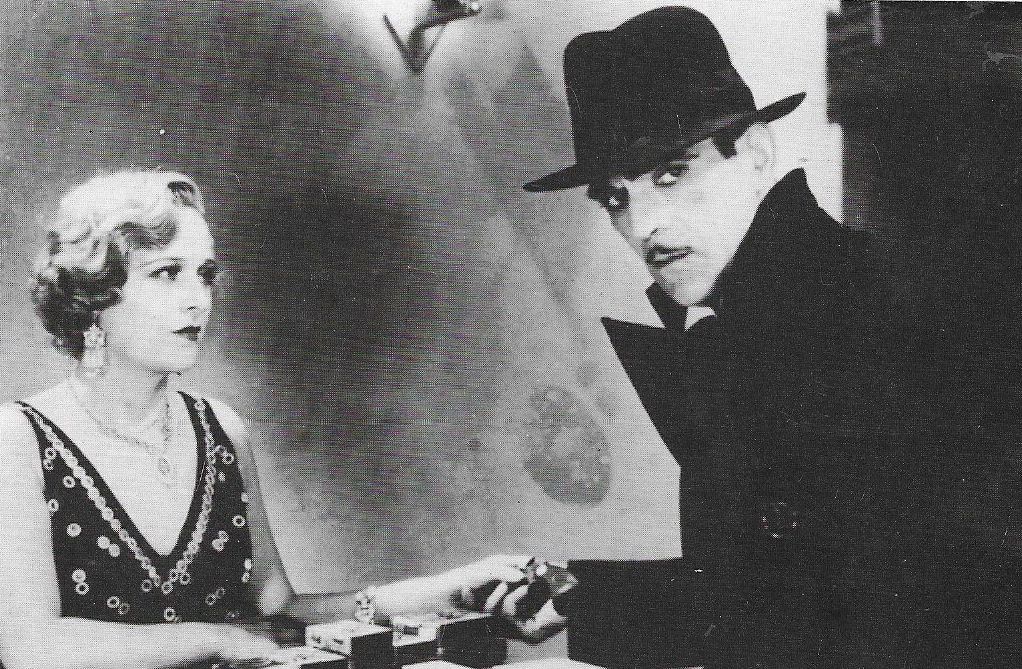
Above, Dorothy Revier and Boris Karloff portraying “Happy’ MacDonald”. Karloff had just been 9th-billed in 1932’s, crime drama,“The Miracle Man”.
A “New York Times” review, I could not locate the entire review to read, is quoted as saying that:
“the film is a symphonic arrangement of songs and snatches of human experience. Unfortunately, the result is mainly a strained and artificial fiction. The threads have been forced into the pattern, willy, nilly.”
Adding that George Raft’s, gangster was an “effective performance”.
The best description of Raft’s character I could locate, comes from the website., “NitrateVille” at:
https://www.nitrateville.com/viewtopic.php?t=36193
“In the 1932 pre-Code film Night World, George Raft plays Eddie Powell a smooth but menacing gambler. His character makes a brief appearance as a tough guy who sets his sights on chorus girl Ruth Taylor (played by Mae Clarke). Raft’s character gets knocked out by the lead, Lew Ayres, who steps in to protect her.”
On June 10, 1932, the romantic comedy, “Love is a Racket”, starring Douglas Fairbanks, Jr. and Ann Dvorak was released. However, don’t look for George Raft, all his scenes, as “Sneaky”, were deleted by “Warner Brothers”. The filming started back on March 1st, but his name still remained upon the official cast listing for the movie.
Now, George Raft was all “Paramount Pictures”, and he found himself in a comedy, but about crooks.
MADAME RACKETEER released on July 23, 1932
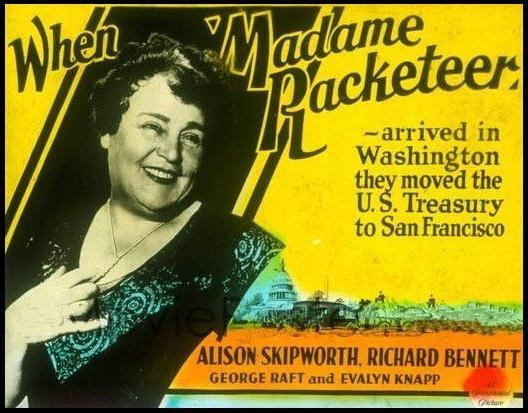
The motion picture starred British comedian, Alison Skipworth, in the title role of “Martha Hicks” aka: “Countess von Claudwig”. The countess is a charismatic international con artist. She has just been released from prison, and heads for the Wisconsin hotel that is owned by her estranged husband, “Elmer Hicks”, portrayed by Richard Bennett, Orson Welles’s 1942, “The Magnificent Ambersons”. With his are her two daughters, “Alice”, portrayed by Evalyn Knapp, and, “Patsy”, portrayed by Gertrude Messinger. It is the plan of the “Countess” to get her two daughters married to extremely wealthy men.
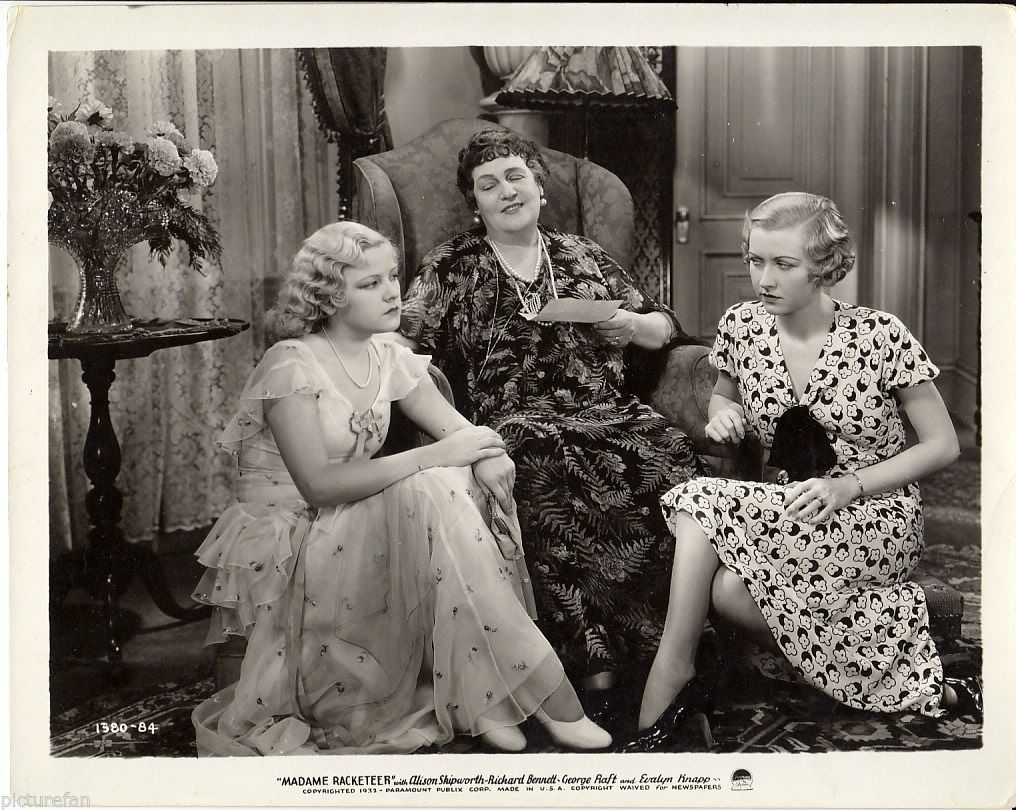
Above left to right, Evalyn Knapp, Alison Skipworth, and Gertrude Messinger. Below, Richard Bennett and George Raft portraying the butt of many jokes, the “hoodlum”, “Jack Houston”.
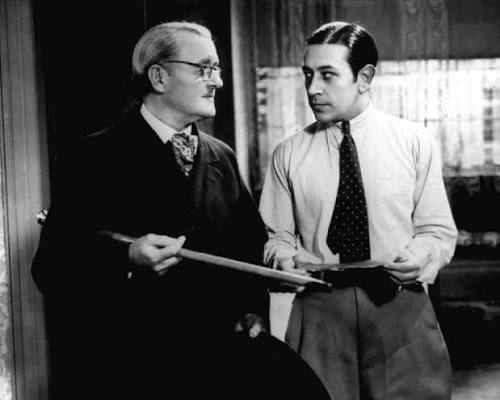
The problem for the countess is “Alice”, who believes she’s in love with “Jack”.
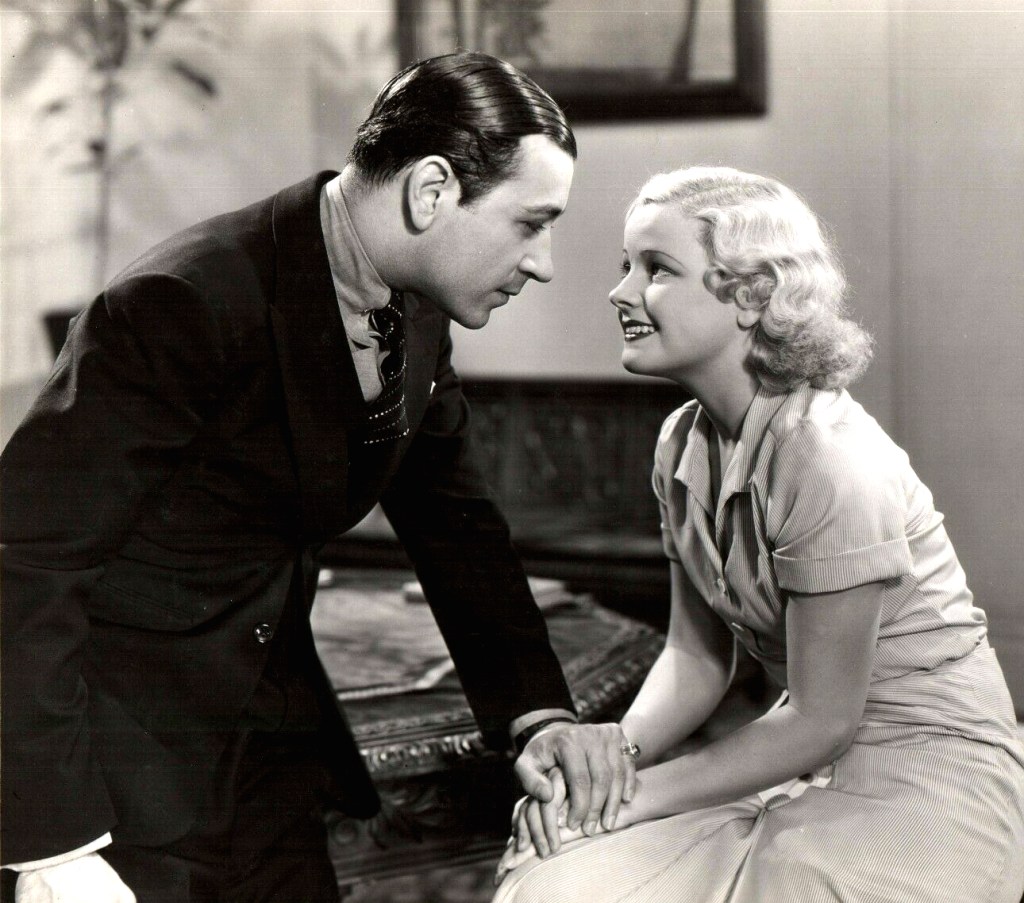
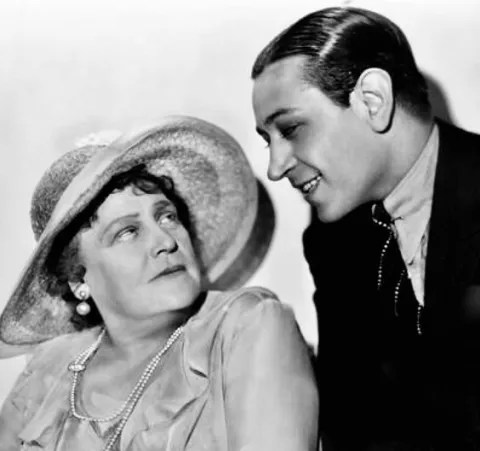
The year may be dated, and you may not know the name of Alison Skipworth, but take the time to laugh, as of this writing, at the following link, is the complete motion picture.
https://ok.ru/video/2563930720934
The following link is to taste of the picture, as George Raft dances with Gertrude Messinger, in a swimming pool.
https://www.youtube.com/watch?v=_JRVq5QmlPQ
In September, 1932, Jesse Lasky resigned from “Famous Players Lasky”, over his personal financial losses from the “Great Depression”. The company was dissolved, and what was left was folded into “Paramount Pictures”.
For actor George Raft, his next motion picture had finally moved him into first position and truly paid off for “Paramount Pictures” gamble.
NIGHT AFTER NIGHT premiered on October 29, 1932
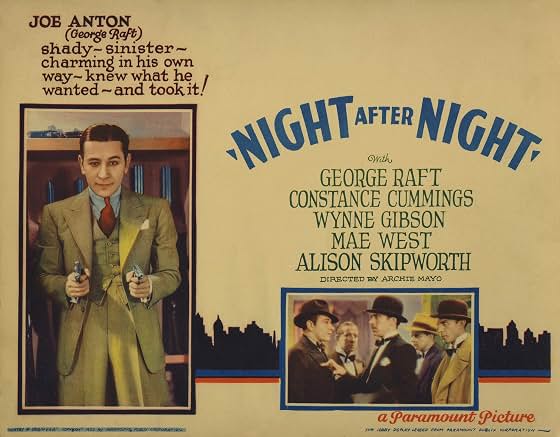
Louis Bromfield wrote a short, 1932, story entitled, “Single Night”. Would be published by William Randolph Hearst’s,”Hearst’s International Cosmopolitan”. That is one definite fact, but who wrote the screenplay is still not clear.
Vincent Lawrence wrote the screenplay. He was the main writer for comedian Harold Lloyd’s, 1932, “Movie Crazy”, he would co-write Cecil B. DeMille’s, 1934, “Cleopatra”, and do the same for the Clark Gable, Myrna Loy, and Spencer Tracy, 1938, “Test Pilot”, among his 39-screenplays.
The motion picture was directed by Archie Mayo. Mayo started in shorts in 1917, but among his feature films prior to this one, both the James Cagney, and Lew Ayers, gangster crime drama, 1930’s, “The Doorway to Hell”, and the John Barrymore’s, psychological drama, 1931’s, “Svengali”. In 1936, he directed “The Petrified Forest”, starring Leslie Howard and Bette Davis, with 5th-billed, Humphrey Bogart.
The Five Main Cast Members:
George Raft portrayed speakeasy owner, “Joe Anton”.
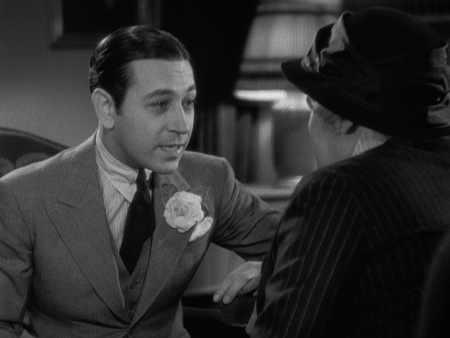
Constance Cummings portrayed “Miss Jerry Healy”. She had just been in 1932’s, “Washington Merry-Go-Round”, with Lee Tracy, and followed this feature film by co-starring Robert Armstrong, in 1933’s, “The Billion Dollar Scandal”.
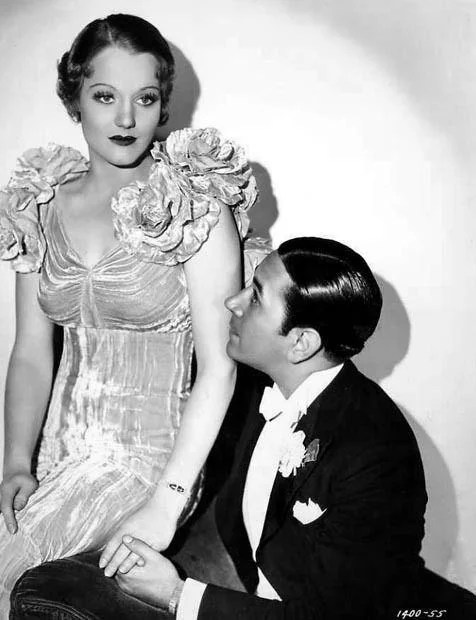
Wynne Gibson portrayed “Iris Dawn”. Gibson had just been in the George Bancroft, sports vehicle, 1932’s, “Lady and Gent”. She followed this feature with a roll in the Gary Cooper, Charles Laughton, and W. C. Fields, screwball comedy, !932’s, “If I Had a Million”.
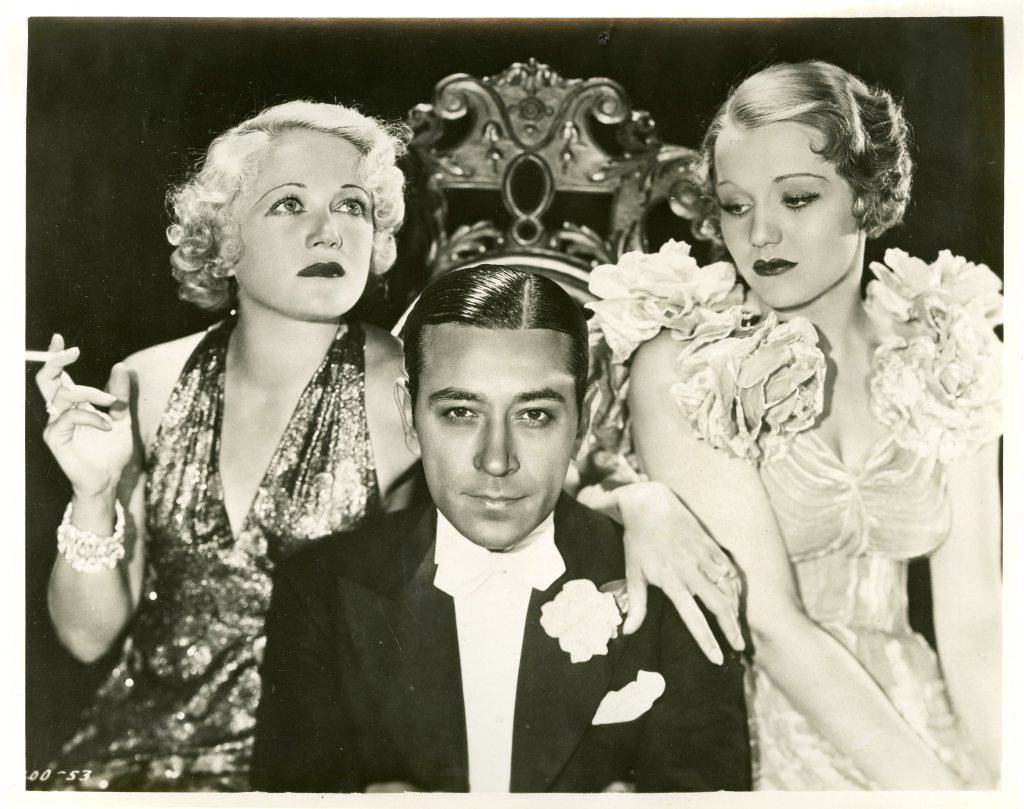
Above left to right, Wynne Gibson, George Raft, and Constance Cummings.
Mae West portrayed “Maudie Triplett”. This was Mae West’s first on-screen motion picture, and uncredited, she contributed to the dialogue in the screenplay. West followed this feature film opposite Gary Grant in 1933’s, “She Done Him Wrong”, and had “overnight” stardom.
George Raft wanted the producers to use Texas Gunian in a role that was modeled after her. However, she was 48-years-old, and Mae West was 9-years-younger, and was given the role. However, West liked Guinian, and used some of the others style and dialogue.
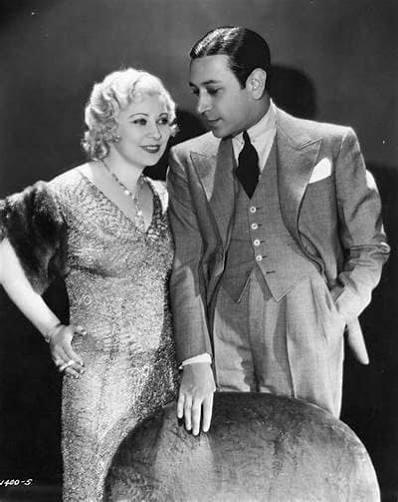
Alison Skipworth portrayed “Mrs. Mabel Jellyman”. This was the second of three movies, Skipworth, would make with George Raft. She would follow this movie with 1932’s, “He Learned About Women”, a comedy, (this picture is not a comedy, but has some comic moments), co-starring with Stuart Erwin.
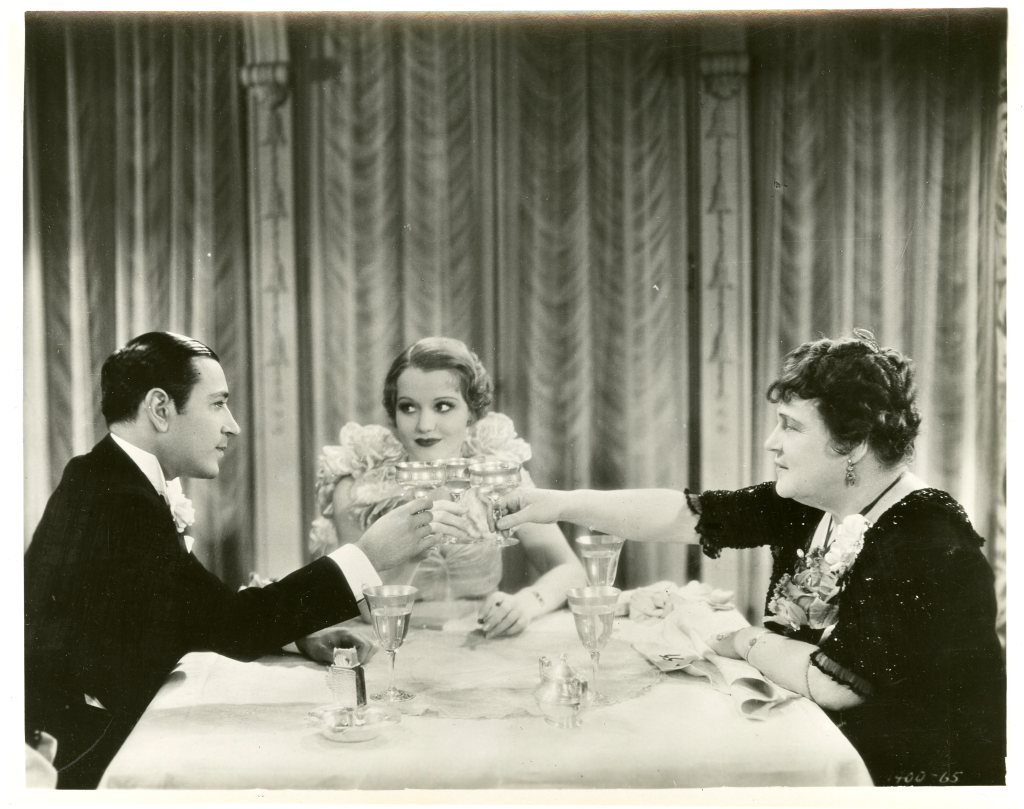
Above left to right, George Raft, Constance Cummings, and Alison Skipworth.
The Basic Story:
Has George Raft, as an ex-boxer “Joe Anton”, who now owns a speakeasy, but is experiencing a mid-life-crisis.
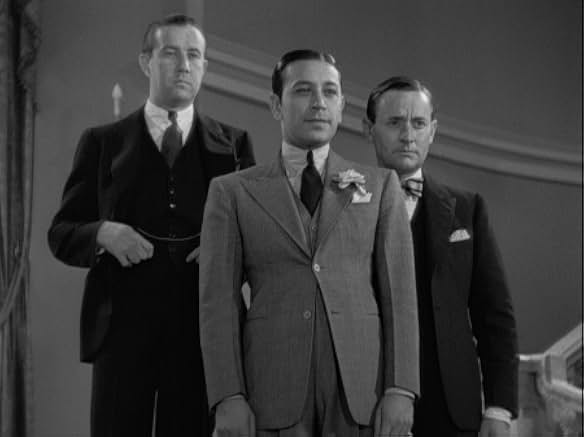
Above left to right, Al Hill portraying “Blainey”, George Raft, and Roscoe Karns portraying “Leo”.
Enter, “Miss Jerry Healy”, whom, of course, “Joe” falls in love with, but she’s a “socialite” and he doesn’t know how to properly act in her world.
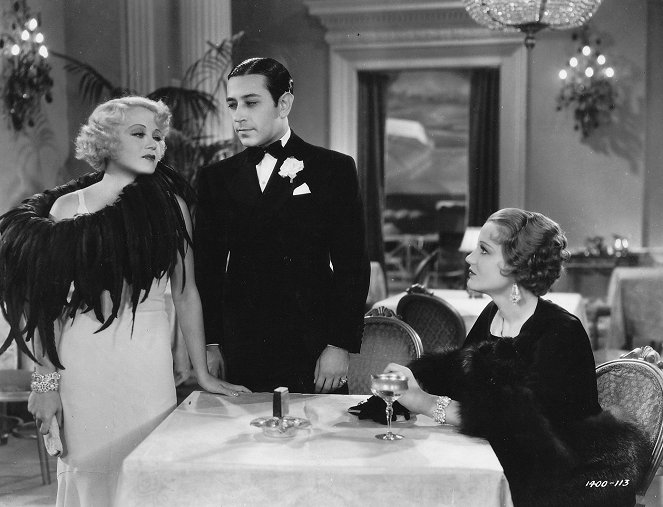
Above left to right, Wynne Gibson, George Raft, and Constance Cummings.
So, “Joe”, goes to “Mabel Jellyman”, for “mannerism” lessons.
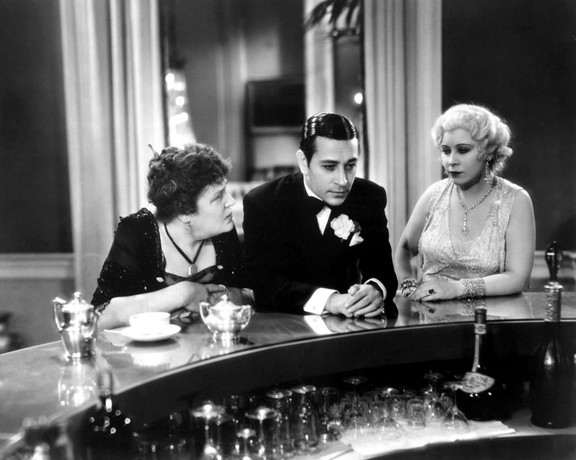
Above, Alison Skipworth, George Raft, and Mae West
Unknown to “Joe”, is that there’s a reason behind “Jerry” appearing at his speakeasy. What “Joe” doesn’t know, is that “Jerry” really isn’t interested him, but the building he lives in with his speakeasy. Once was owned by her family, and was lost in the stock market crash of 1929.
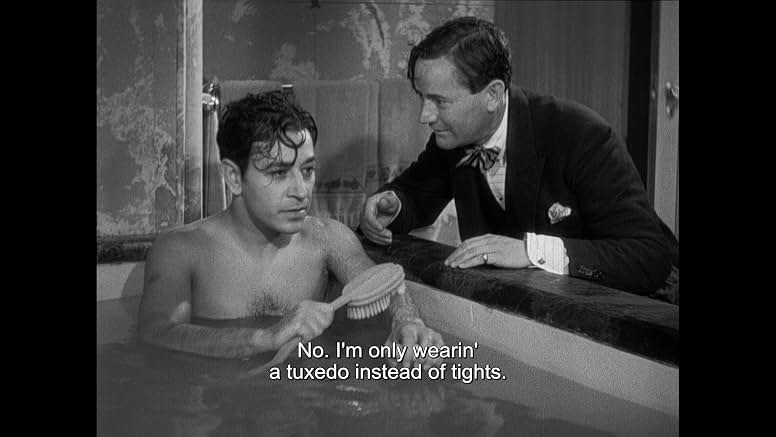
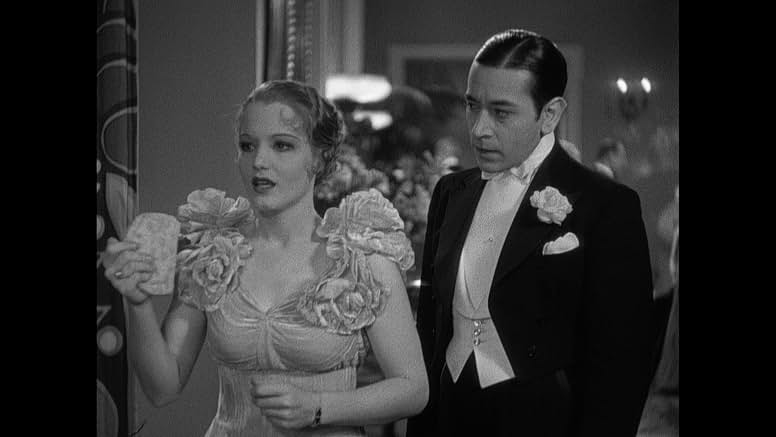
Later, there’s an incident in which, ex-girlfriend, a jealous “Iris Dawn” attempts to shoot “Jerry”, but “Joe” wrestles the gun from her, and “Iris” is escorted out.
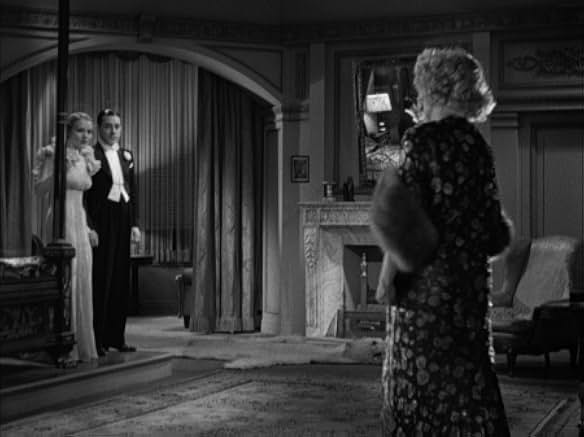
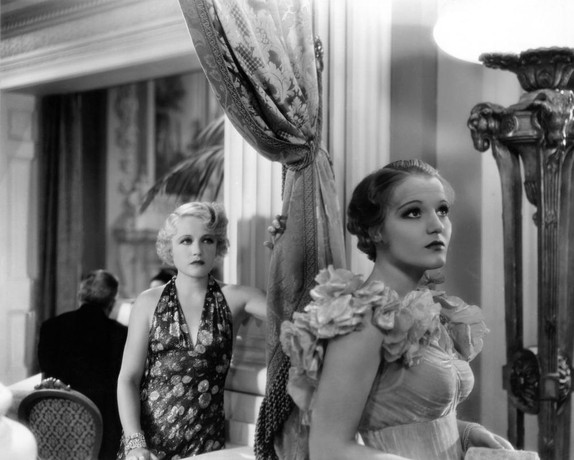
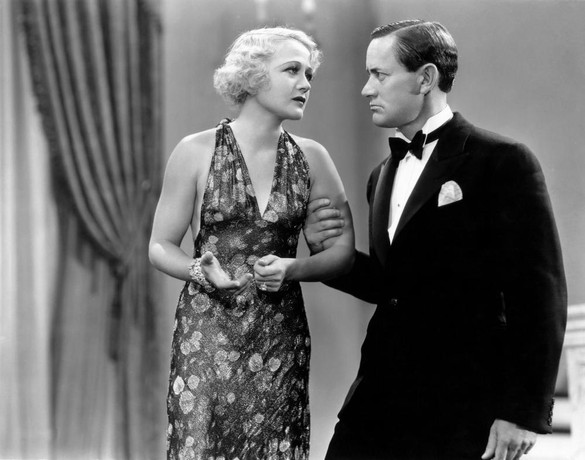
“Joe” is now ready to marry “Jerry”, but she is engaged to her friend, “Dick Bolton”, portrayed by Louis Calhern, and admitting that she’s marrying “Dick” for his money.
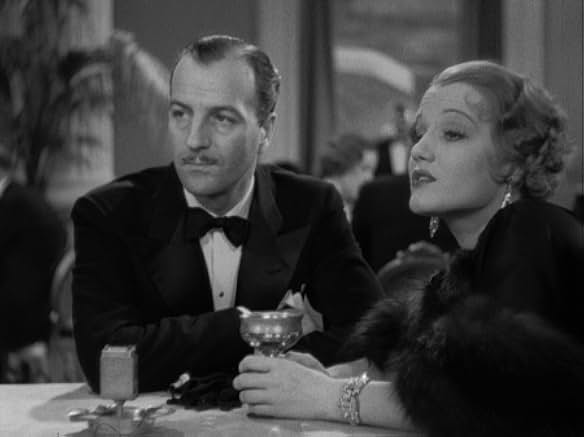
After hearing this, the reformed “Joe Anton” lays into socialite “Jerry Healy” for being a “GOLD DIGGER”. “Joe” returns to his speakeasy, but is being followed by “Jerry” to tell him off. However, “Happy Ending”, “Jerry” realizes she loves “Joe”. While, “Maudie Triplett” befriends “Mabel Jellyman” and offers her to be a hostess at “Maudie’s” many beauty shops.
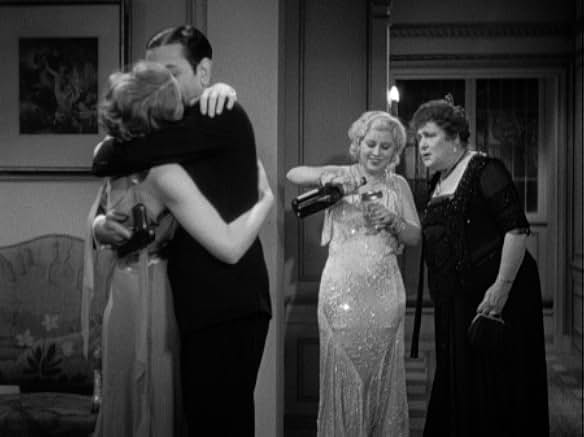
“Paramount Pictures” next released an “All-Star” anthology movie with a running time of 88-minutes.
IF I HAD A MILLION premiered in Chicago, Ilinois, on November 18, 1932
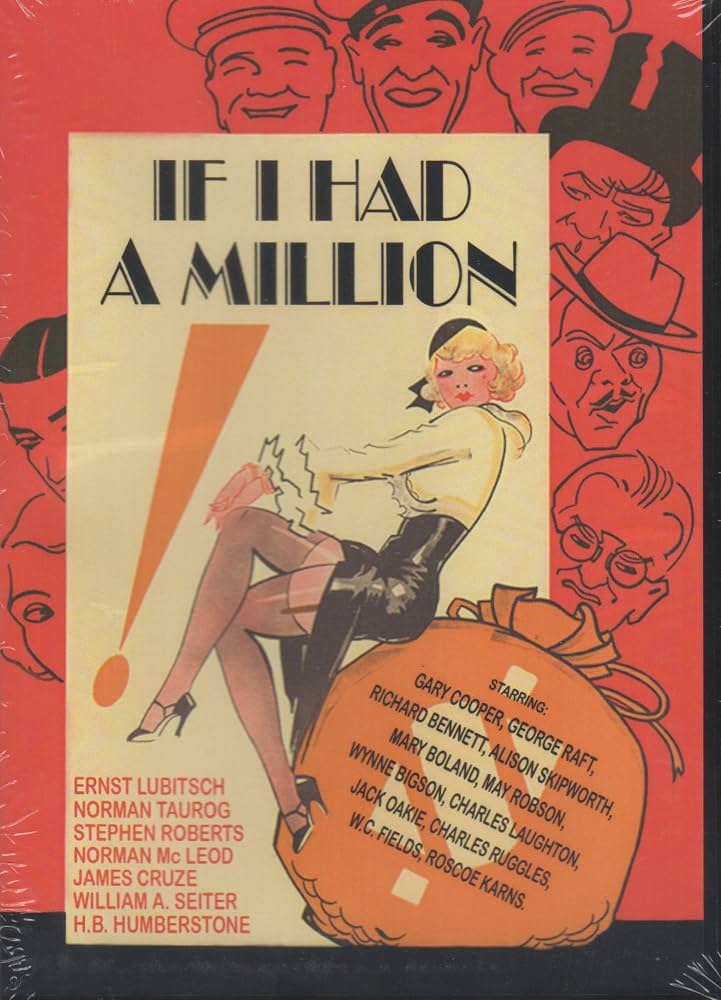
The screenplay was based upon the 1931 novel, “Windfall: A Novel About Ten Million Dollars” aka: “Glamour”, by Robert Hardy Andrews. It’s concept would become the “Columbia Broadcasting System (CBS)” television series, “The Millionaire”, January 19, 1955 through June 7, 1955.
“Paramount Pictures” had 16-writers working on the screenplay, and 8-directors filming the movie.
The screenplay was divided into 8-stores, with a prologue and epilogue.
The audience meets dying industrial tycoon, “John Gidden”, portrayed by Richard Bennett. Bennett had just been seen in 1932’s, “Strange Justice”, and followed this picture with 1933’s, “Big Executive”.
In the prologue, “John Gidden” does not want to leave his money to his conniving relatives, or anyone in his own company that he believes don’t serve it. He decides to give a million dollars to eight strangers picked a random from the phone book. His first pick is John D. Rockefeller, and of course, he’s out of the running.
It is the 3rd story of the 8, that I will speak too.
THE FORGER
George Raft portrays “Eddie Jackson”, a forger. The segment opens with “Eddie” narrowly avoiding being arrested for attempting to cash another forged check. Next, he meets “John Gidden”, who gives him a check for “One-Million-Dollars
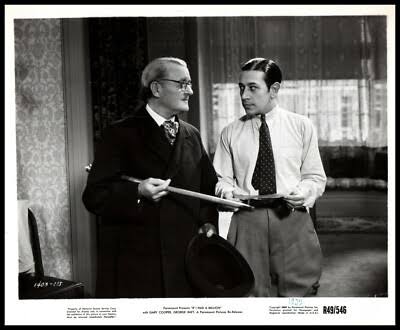
All of “Eddie’s” worries are over, BUT he discovers that going to a bank to cash the real check. They won’t touch it, once they realize who he is, and “Eddie”, now fears that he bank might call police. He’d be arrested, and sent to prison for the rest of his life.
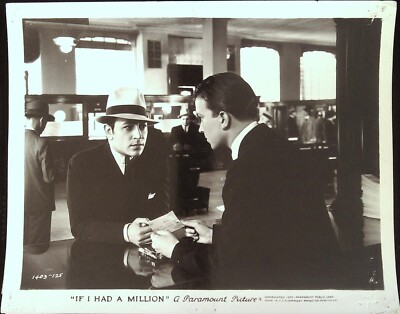
He tries to get his criminal associates to cash it for him, but they don’t believe the check is real.
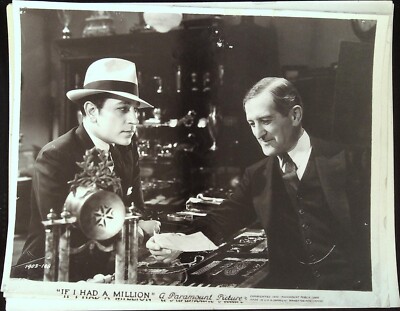
“Millionaire Eddie Jackson” goes to a flophouse to sleep, and uses the check for security on a ten-cent ($2.51 today), bed. The manager of the flophouse thinks he’s insane, and call the police to arrest the lunatic, and then uses the check to light his cigar.
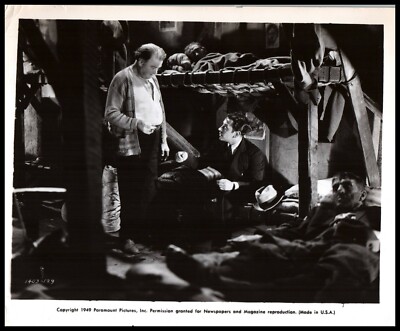
One month before the release of “If I Had a Million”, found George Raft filming the next feature. Which had a type of role he would portray several times during his film career.
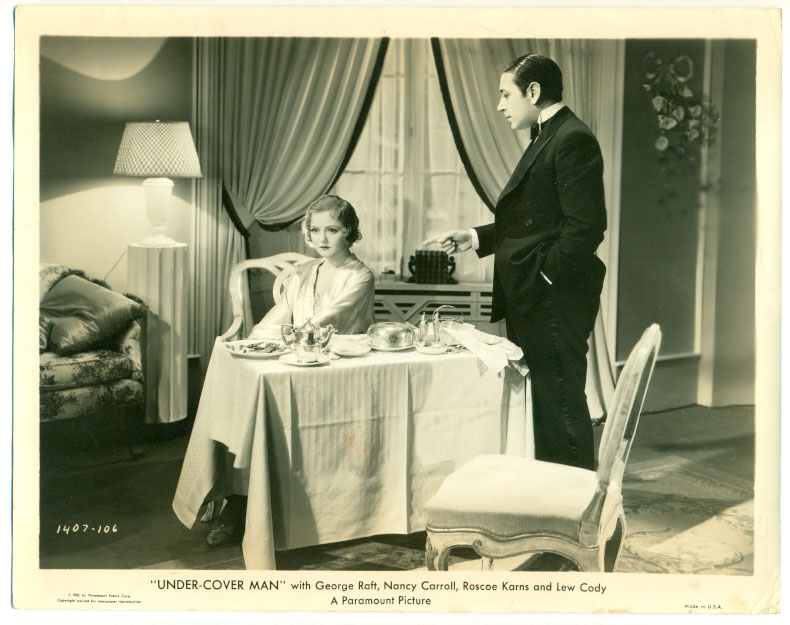
UNDER-COVER MAN released on December 2, 1932
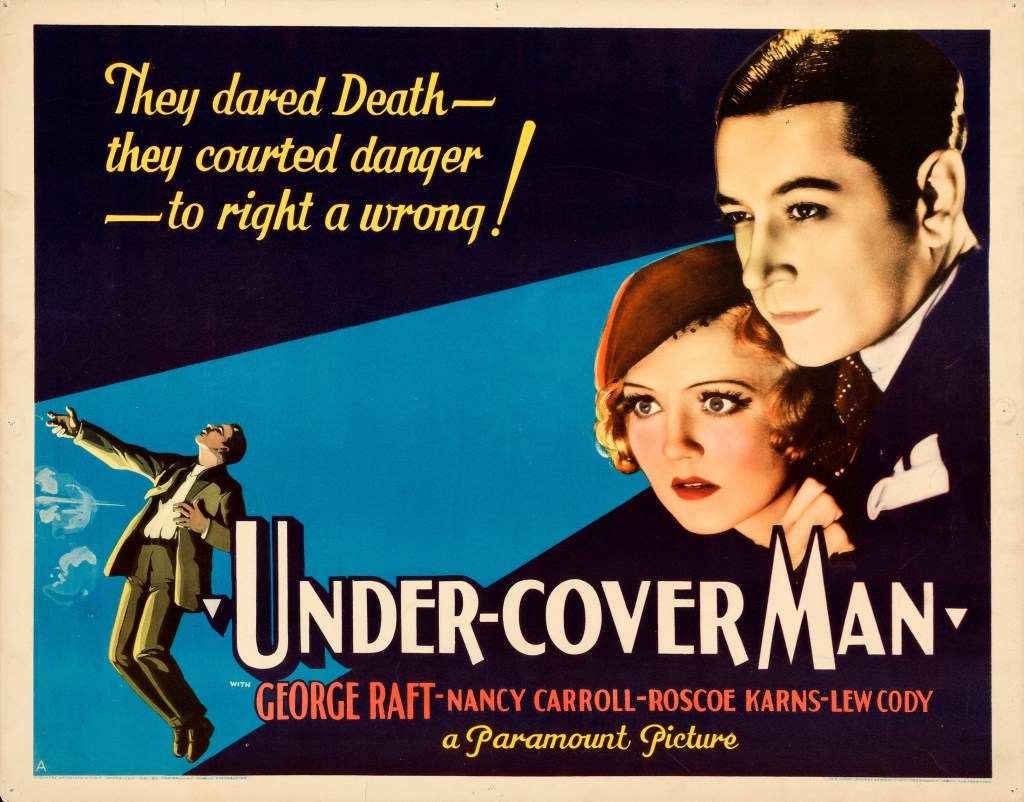
“Under-Cover Man” is “PROTO-NOIR”. A group of films prior to the 1940’s, that would morph into “Film-Noir”, add into this, that the movie was “Pre-Production Code”, and you had an excellent early George Raft vehicle. One in which he is the good guy against
Thomson Burtis adapted the John Wilstach novel for the screen. There is almost no information on Burtis, except between 1927 and 1959, he worked on 7-films, and 3-television scripts.
As for journalist Wilstach’s novel, “The New York Times“, for July 12, 1931, had this entry:
“the book keeps pace with this morning’s edition fairly well. Mr Wilstach merely blocks his crooks out in the rough. He lets action speak louder than style. There is a rather tarnished love interest. But the crookery is exciting.”
The actual screenplay was written by two writers.
The two major screenplays that Francis Edward Faragoh, co-wrote, was director Mervyn LeRoy’s, 1931’s, “Little Caesar”, director James Whale’s, 1931, “Frankenstein”.
The other writer was Garret Fort, the among his screenplays he co-wrote were director Tod Browning’s, 1931’s, “Dracula”, and director James Whale’s, 1931, “Frankenstein”, and later, director John Ford’s, 1934, “The Lost Patrol”.
As to the movie itself, on December 6, 1932, the “Los Angeles Times” wrote, in their film review, that “Under-Cover Man” was:
“exciting and those who like this kind of entertainment will make no mistake to see it.”
Today, you have to be careful which movie of the title “Under-Cover Man”, you’re looking at, because, in 1936, Johnny Mack Brown made a western about a “Wells Fargo” agent, becoming an “Undercover Man”, in 1942, it was William Boyd’s, “Hopalong Cassidy”, in another western, also entitled, “Undercover Man”, about “Hoppy”, going after a gang on the Mexico border, and then you still had Glenn Ford, in 1949’s, “Undercover Man“, about an “FBI Agent” going under cover.
However, to prevent any confusion, here is the link, as of this writing, to the George Raft, 1932, “Under-Cover Man”.
James Flood directed the picture. Flood had just directed the “Tragic love story”, 1932’s, “Life Begins”, starring Loretta Young and Eric Linden, and followed this feature with a film I’ll mention later. Flood’s directing received negative comments for a slow pacing at times.
George Raft portrayed “Nick Darrow”.
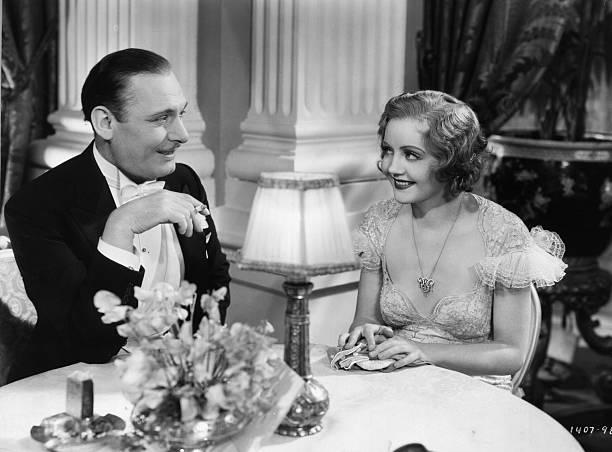
Nancy Carroll portrayed “Lora Madigan”. Broadway dancer/actress Carroll had just been seen opposite Douglas Fairbanks, Jr. in the Russian revolution set story, 1932’s, “Scarlet Dawn“, and would follow this feature film with the story of a young woman who becomes pregnant out of wedlock, 1932’s, “Child of Manhattan”.
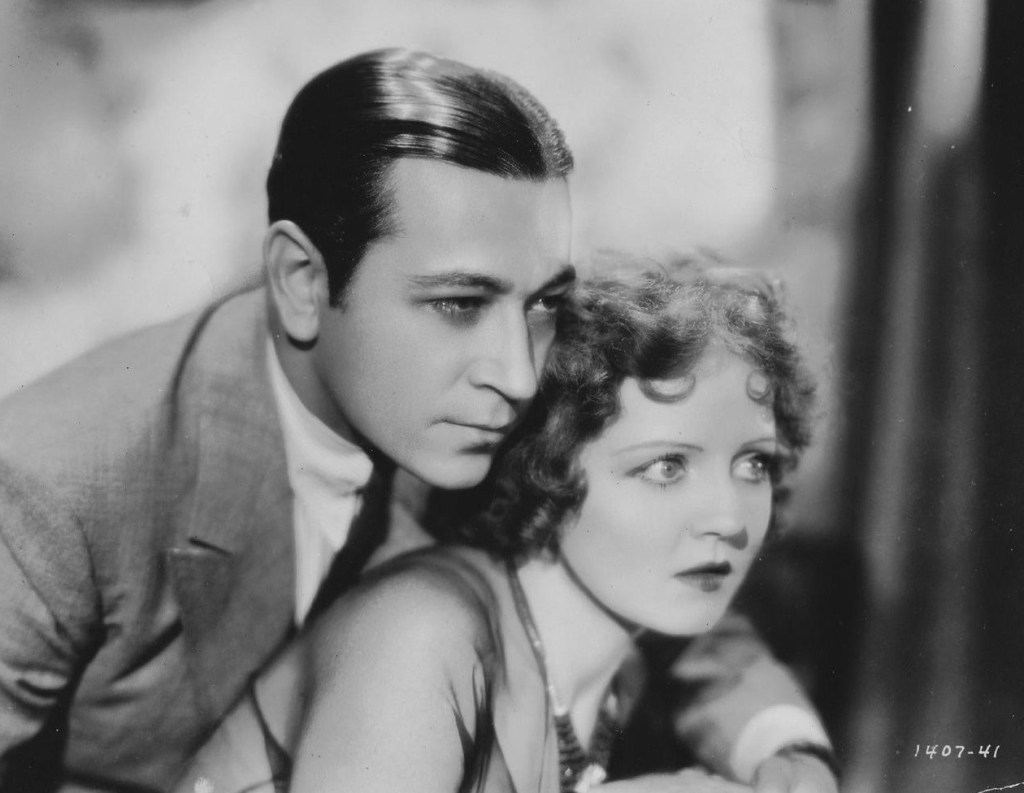
Lew Cody portrayed “Kenneth Mason”. Cody had just been seen in the forgotten crime mystery, 1932’s, “The Unwritten Law”, starring the equally forgotten, Norwegian born actress, Greta Nissen. He followed this feature with another forgotten drama, 1933’s, “Wine, Women and Song”, starring another forgotten actress, Lillian Tashman. Whose career of 69-film roles started in 1921, and ended with the 1936, “Frankie and Johnny”, portraying “Nellie Bly”, released one year after her death at 37.
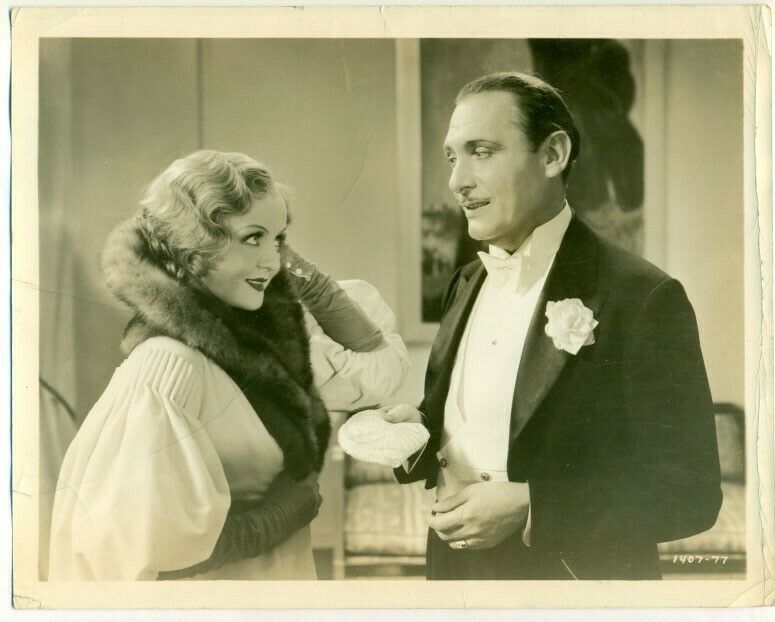
Above, Nancy Carroll with Lew Cody.
The basic story line of 1932’s, “Under-Cover Man”, is about known con man, “Nick Darrow”, meeting grieving “Lora Madigan”, at the local police headquarters. The two discover that both want revenge against a ruthless bond-theft syndicate run by the charming, “Kenneth Mason”. The syndicate murdered “Nick’s” father, and “Lora’s” brother, and the two join forces with the police department’s blessings to bring “Mason” down.
On January 6, 1933, at “Paramount Pictures”, John D. Hertz resigned, as his ideas to save the company had failed.
The over-expansion, and the use of overvalued “Paramount Stock”, created a $21-million-dollar debt (as of this writing equal to $539,460,923). As a result, “Paramount Studio’s”, on January 23, 1933, went into receivership. On April 17, 1933, bankruptcy trustees took over the studio, and Adolph Zukor lost his control of the studio.
Next, George Raft found himself in what could be called a women’s movie.
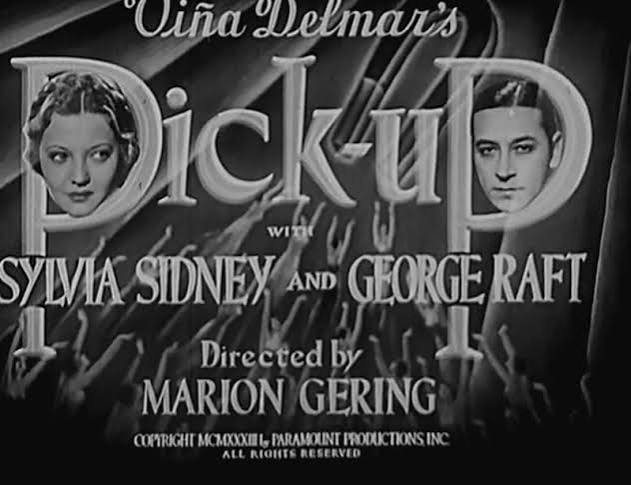
PICK-UP released March 24, 1933
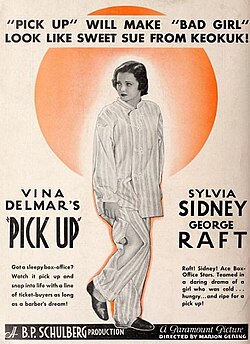
For my reader not from Iowa, the above poster’s tagline:
“PICK UP” WILL MAKE “BAD GIRL” LOOK LIKE SWEET SUE FROM KEOKUK!
Refers to the town of Keokuk, Iowa, who on the 2020 Census, showed a population of 9,900. Below, a 2009 photograph of the downtown.

The story was “Pick Up”, was based upon a 1928 short story by writer, Viña Delmar. The screenplay was by playwright, S. K. Lauren, and writer, Agnes Brand Leahy.
Marion Gering directed, his films included, Sylvia Sydney’s, 1931, “Ladies of the Big House”, co-starring Wynne Gibson, and right before this picture, Sydney’s, 1932, “Madame Butterfly”, co-starring Gary Grant, and followed this movie with Sylvia Sydney’s, 1933, “Jennie Gerhardt”, co-starring Mary Astor.
Sylvia Sidney portrayed “Mary Richards”. Among Sidney’s work other than the three already mentioned is director Fritz Lang’s, 1936, “Fury” with Spencer Tracy, director Alfred Hitchcock’s, 1936, “Sabotage, director William Wyler and writer Lillian Hellman’s, 1937, “Dead End”, and not to forget portraying “Juno”, in director Tim Burton’s, 1988, “Beatlejuice”.
George Raft portrayed, cabby “Harry Glynn”.
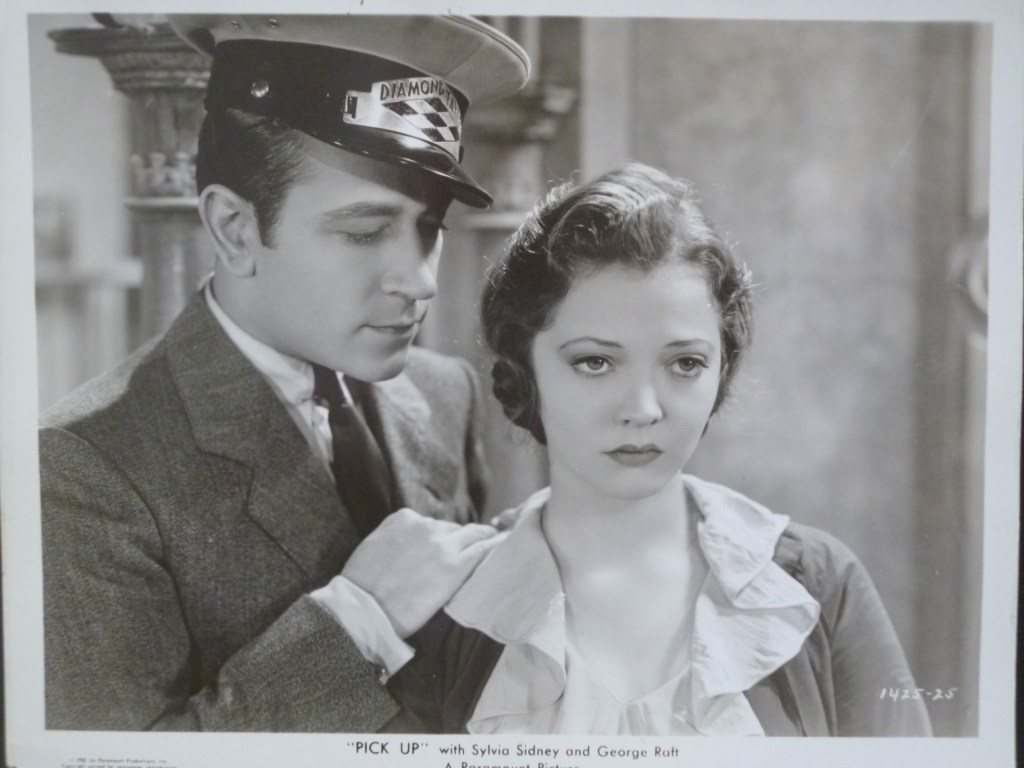
Lilian Bond, billed as Lillian Bond, portrayed “Muriel Stevens”. She had just been seen in the 1933, “Her Splendid Folly”, and followed this feature with 1933’s, “When Strangers Marry”.
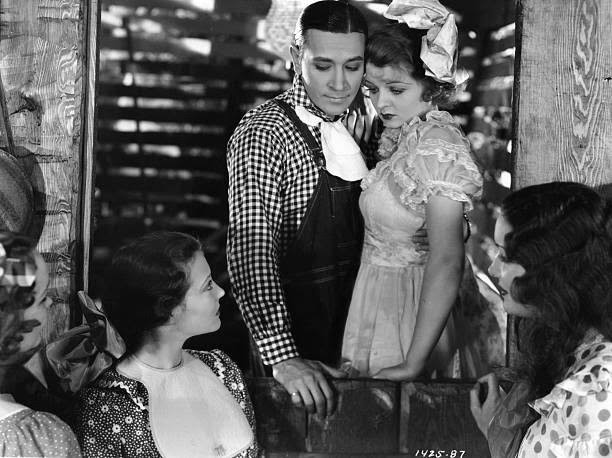
Above left to right Sylvia Sydney, George Raft, and Lillian Bond.
William Harrigan portrayed “Jim Richards”. Two pictures later, Harrigan portrayed “Dr. Arthur Kemp” in director James Whale’s, 1933’s, “The Invisible Man”.
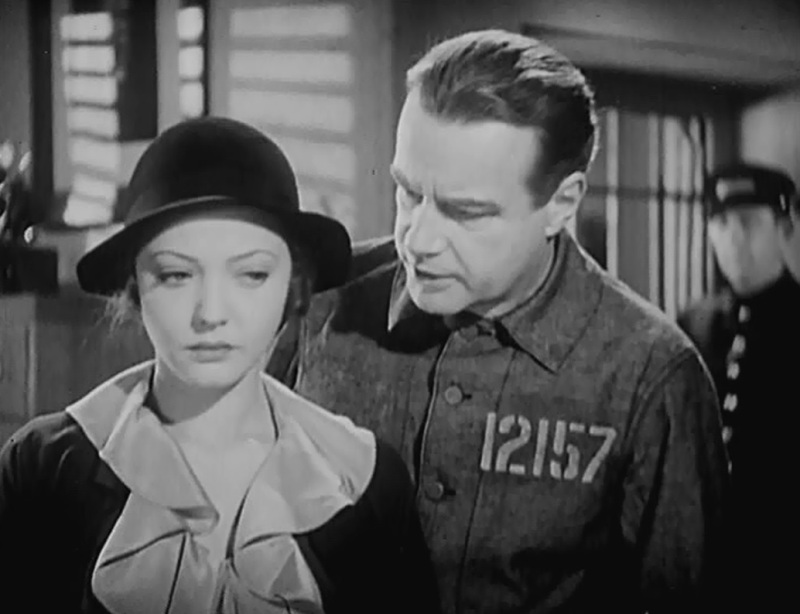
The story opens with:
“Mary Richards” being released from prison after two years. Her husband, “Jim Richards”, created a Badger Game (either an extortion scheme, or confidence trick), and unknowingly, “Mary” went along with “Jim”, and his mark committed suicide. It’s raining outside the prison, and she gets into a cab driven by “Harry Glynn”. The two form a loving relationship, with the fact that “Mary” is still married to “Jim” overshadowing it. “Harry” now opens his own auto repair shop to have a better income to support “Mary” and himself. This actually leads to a very successful small business and his and “Mary” are able hire a maid, “Magnolia”, portrayed by the uncredited, Louise Beavers.
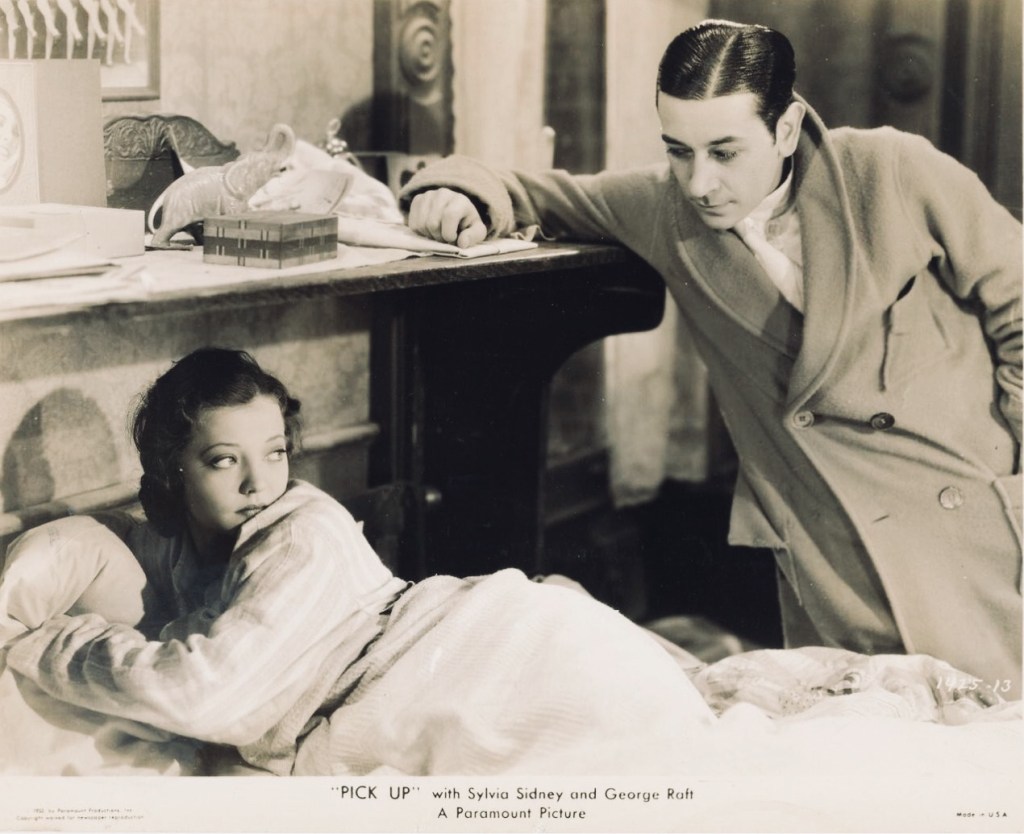
Then, as the story progresses, two things take place. First, enter society girl “Muriel Stevens”. She’s a free spirit, and realizing that “Harry” and “Mary” are not married. She takes advantage of that situation. What “Harry” doesn’t know, is “Muriel” is just pursuing him for fun.
While, “Mary” is able to get her marriage annulled, because “Jim” is a felon. She happily tells the good news to “Harry”, but he reveals his fascination with “Muriel”.
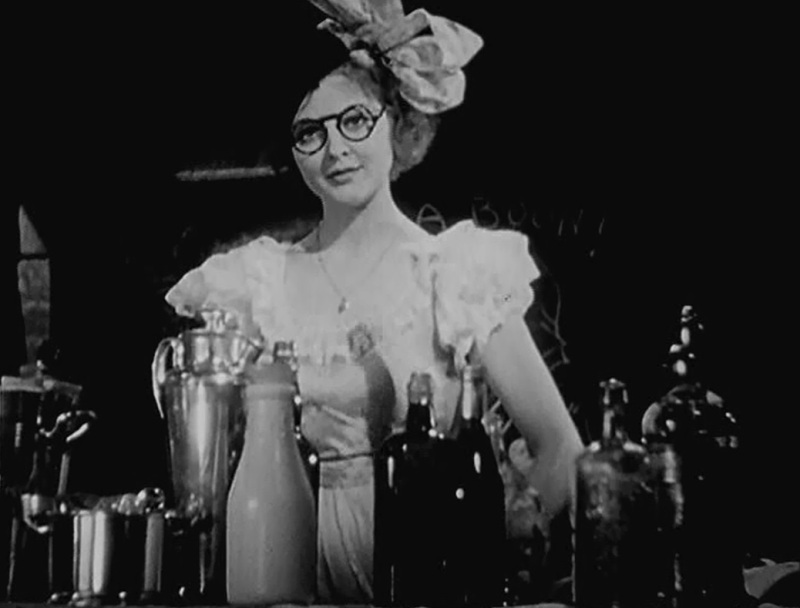
Second, re-enter “Jim Richards”, who says he was paroled. “Mary” had been preparing his bags to leave “Harry’s” house. Adding to “Mary’s” situation with her ex-husband, is that he is unaware their marriage was annulled. As this is taking place, “Harry” proposes marriage to “Muriel”, who laughs at him. Revealing she was just having fun with the cab driver turned mechanic.
Back at “Harry’s” house, “Jim” reveals his plan to kill him. Thinking fast to protect the man she really loves, “Mary” plays up to “Jim Richards”. Telling him that he has always been the man she loves. “Jim” takes him to their old hideout, and discovers the annulment papers. “Jim” tells “Mary” that he actually broke out of prison, and killed a cop. “Mary” threatens to call the police and attempts to leave, but “Jim” tells her. That he’ll tell everyone that she arranged the prison break, but that doesn’t stop “Mary” from making the call.
This leads to the two being arrested and prosecuted. “Harry” finds out about “Mary”, after “Magnolia” finds the story in the newspaper.
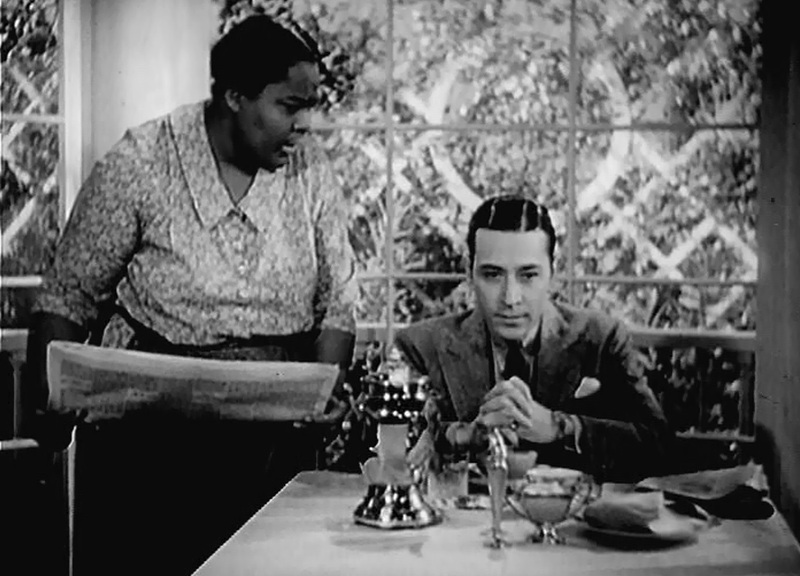
“Harry” hires a lawyer to defend “Mary”, but under no circumstances is she to know who is paying his legal fees. The prosecutor seems to make the fact that “Mary” was originally “PICKED-UP” by “Harry”, the moment she walked out of prison, proof she was planing to get her husband out of jail, and used her sexuality to get the cab driver to provide her a safe hide-out until her plan was to be put in action.
However, “Mary” is acquitted, and walking out of the courtyard house a free person. At the curb, is “Harry’s” cab, and this time, they’re going to make their relationship legal.
MIDNIGHT CLUB released on July 29, 1933
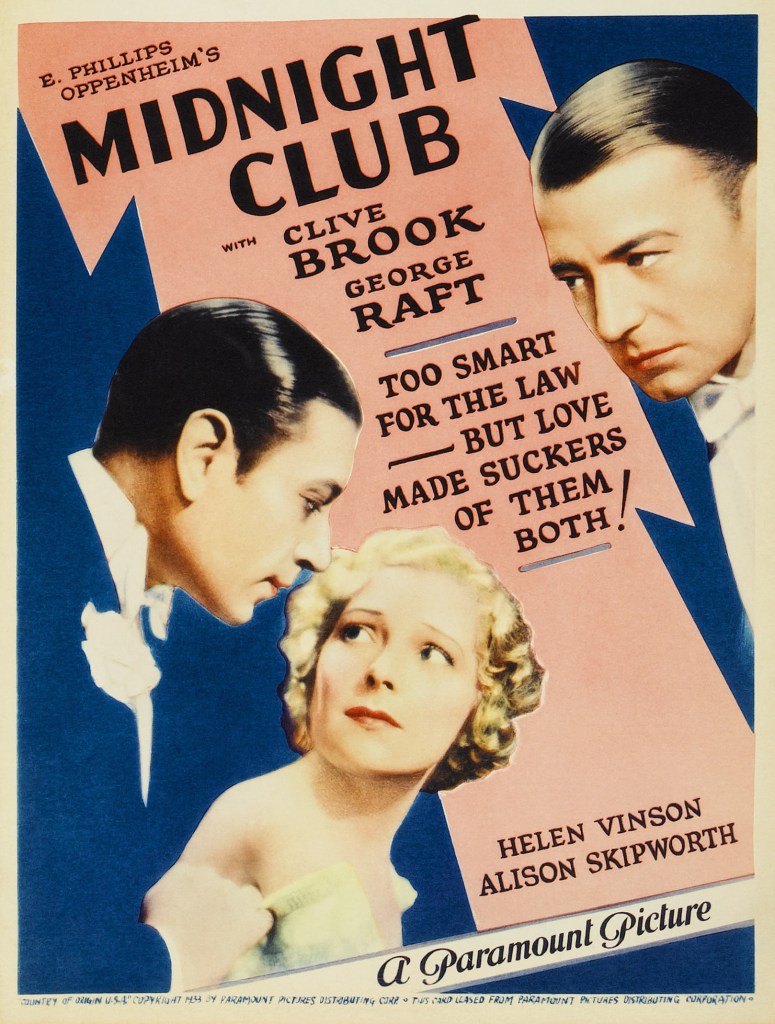
The screenplay was based upon a fast paced, 1931, gangster novel by British fiction author, E. Phillips Oppenhein, entitled, “Gangster’s Glory”.
Two writers turned the novel into a screenplay, the first was Seton I. Miller, one of the dialogue writers on 1932’s, “Scarface” . Whose work included his Oscar nominated screenplay for 1931’s, “The Criminal Code”, that starred Walter Huston, and his Oscar winning screenplay for 1941’s, “Here Comes Mr. Jordan”, that starred Robert Montgomery and Claude Rains.
The second writer was British Singapore born, Leslie Charteris, the creator and writer of “Simon Templar” aka: “The Saint”. This was his first screenplay, but starting with the motion picture, 1938’s, “The Saint in New York”, starring Louis Hayward in the role. Charteris’s series of novels would become both feature films and television programs.
There were two directors on the feature film at the decision of “Paramount Pictures”. They were up and coming director, Alexander Hall, a film-editor turning director, and legitimate stage director turning motion picture director, George Somnes.
The Main Cast:
Clive Brook portrayed “Colin Grant”. London born, Brook, had portrayed Sir Arthur Conan Doyle’s consulting detective, in 1929’s, “The Return of Sherlock Holmes”, and again, in 1932’s, “Sherlock Holmes”. Also, in 1929, he co-starred with Richard Arlen, and Fay Wray, producer Merian C. Cooper’s, 1933’s, “King Kong”, version of novelist A. E. W. Mason’s, “The Four Feathers”.
George Raft portrayed “Nick Mason”.
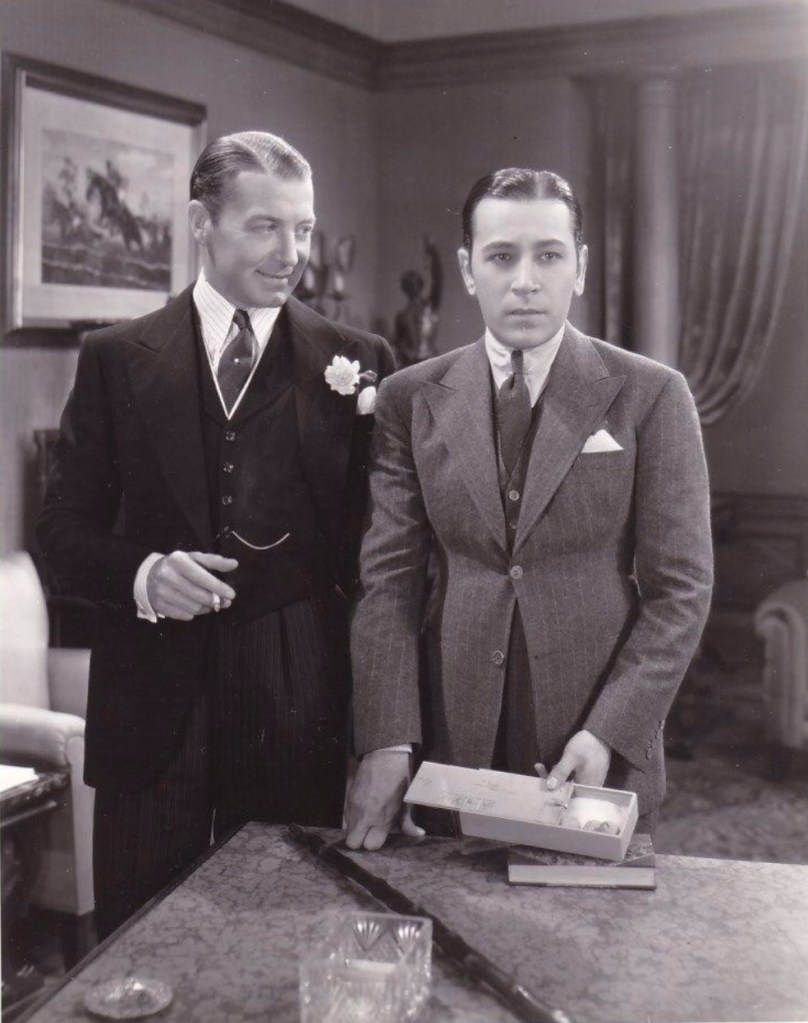
Above, Clive Brook and George Raft
Helen Vinson portrayed “Iris Whitley”. Vinson had co-starred with Paul Muni and Glenda Farrell, in 1932’s, “I Am a Fugitive from a Chain Gang”, she co-starred with Edward G. Robinson and Mary Astor, in 1933’s, “The Little Giant”, just before this feature film. She followed it with 4th-billing in the Spencer Tracy and Colleen Moore, drama, 1933’s, “The Power and the Glory”.
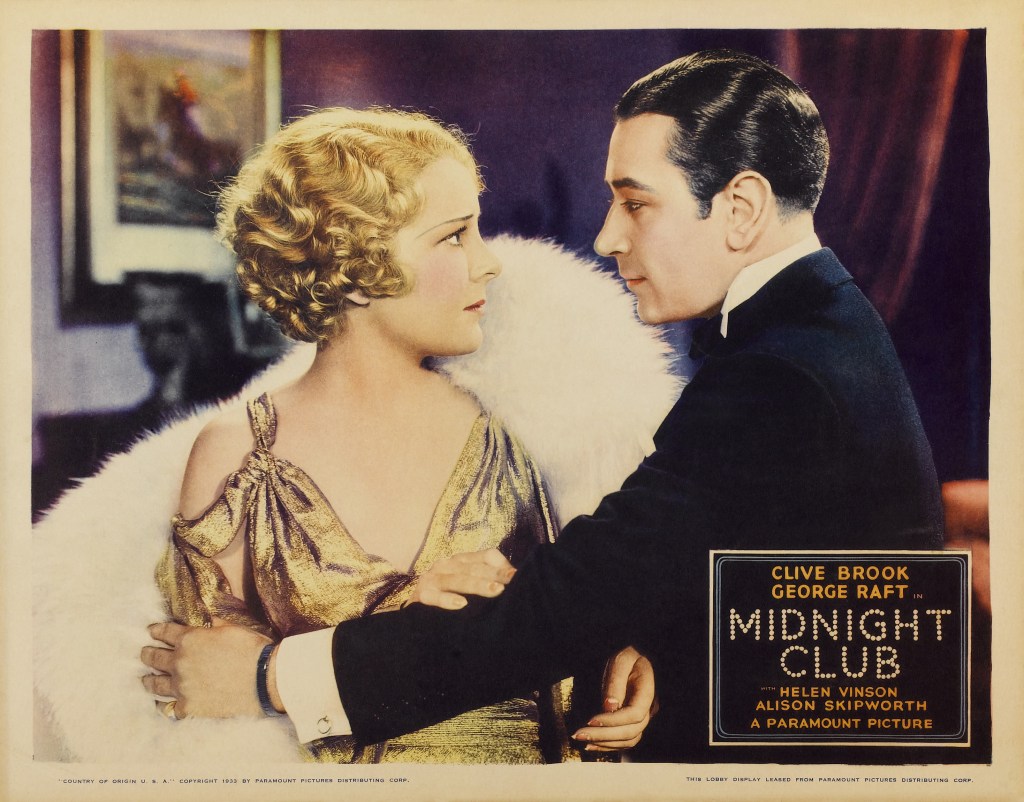
Above, Helen Vinson and George Raft
Alison Skipworth portrayed “Lady Barrett-Smythe” Skipworth had just been seen in 1933’s, “The Song of Songs”, starring Marlene Dietrich, and followed this feature film by co-starring with W. C. Fields, in the 1933 comedy, “Tillie and Gus”.
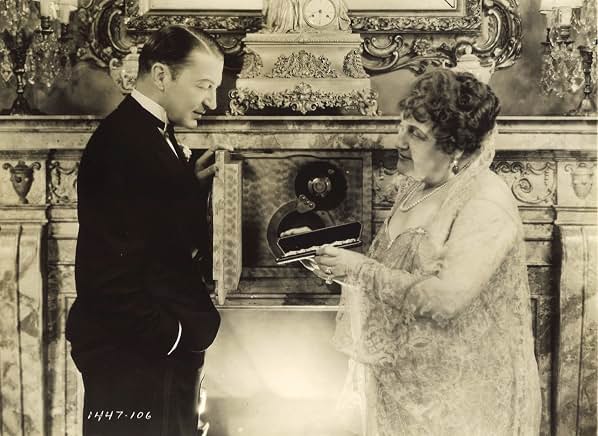
Above, Clive Brook and Alison Skipworth
Sir Guy Standing portrays “Police Commissioner Hope”. Standing was just in the Fredric March and Cary Grant War drama, 1933’s, “The Eagle and the Hawk”, and followed this picture with 1933’s, “Cradle Song”.
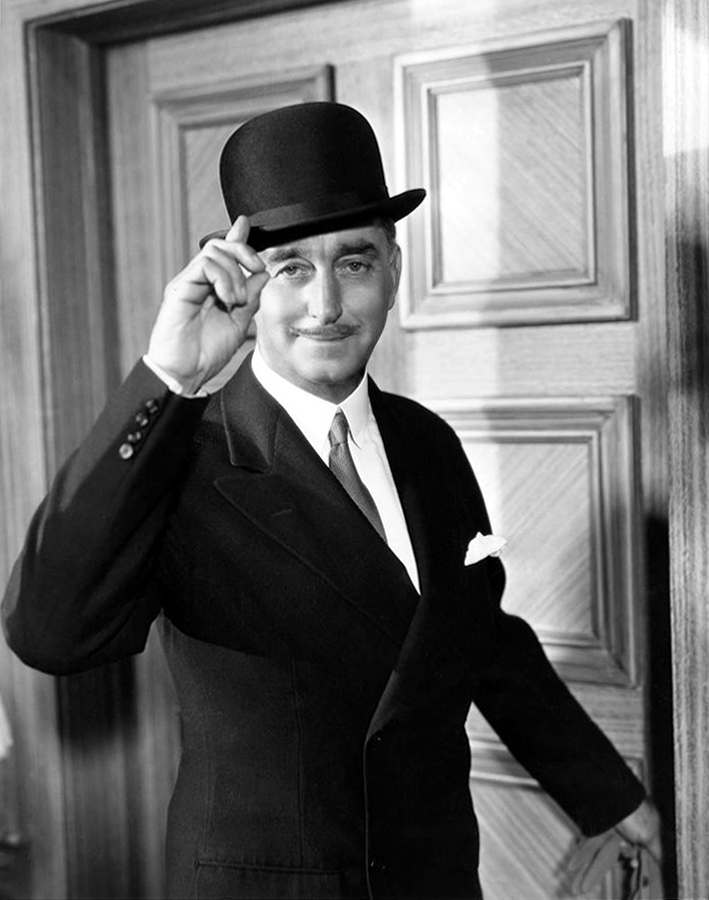
Just a Taste of a Plot:
When you have a well thought out novel, by E. Phillips Oppenhein, aided by a screenplay writer like Leslie Charteris. Along with the perfect cast, then, the audience gets to see an excellent cat and mouse tail (tale).
The setting is London, and a group of sophisticated jewel thieves, operate out of the “Midnight Club”, or do they?
“Scotland Yard Commissioner Hope”, believes they do, under the leadership of “Colin Grant”. However, every time a robbery comes off, the suspected jewel thieves are seen, at the club, at the exact time of the robberies, by undercover officers placed as either members, or workers.
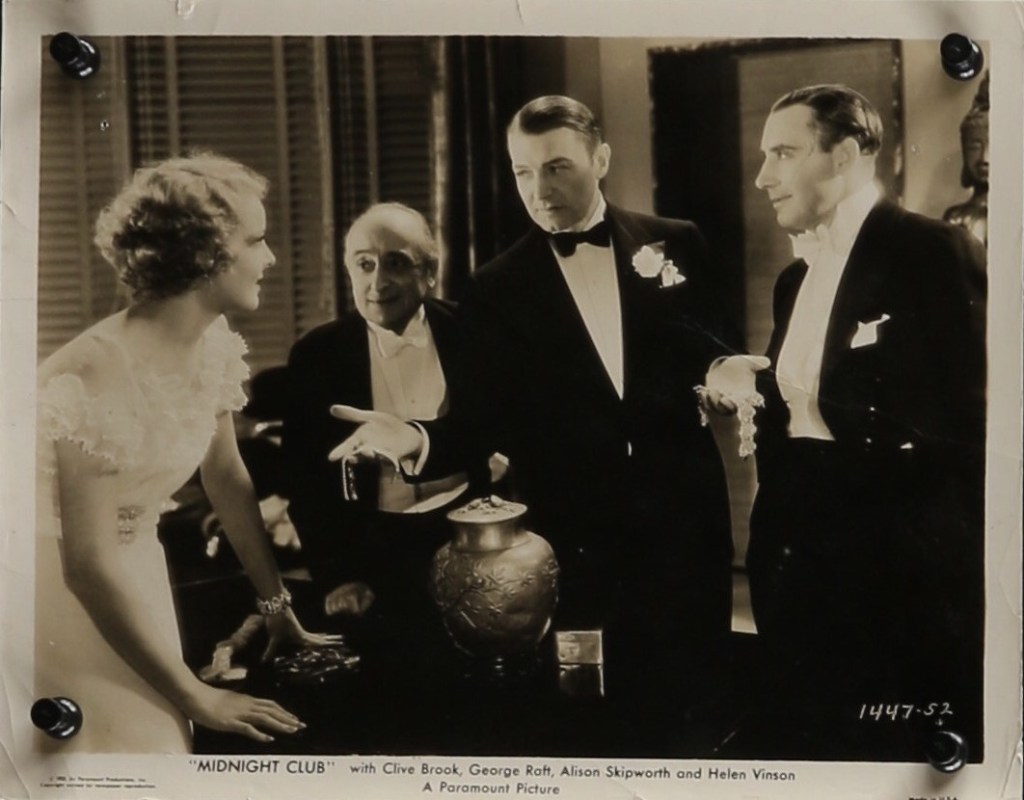
Above, the suspected jewel thieves, left to right, Helen Vinson portraying “Iris Whitley”, Ferdinand Gottschalk portraying “George Rubins”, Clive Brook portraying “Colin Grant”, and Alan Mowbray portraying “Arthur Bradley”.
One night, an exiled, known to be a ruthless American gangster, “Nick Mason”, appears at the “Midnight Club”. “Mason” had heard about the jewelry thefts, and that “Iris Whitley” is somehow involved. He introduces himself, to her, as an American gangster on the lam from the States. As they dance together, she catches him eyeing, and touching, a necklace worn by “The Duchess”, portrayed by Ethel Griffies.
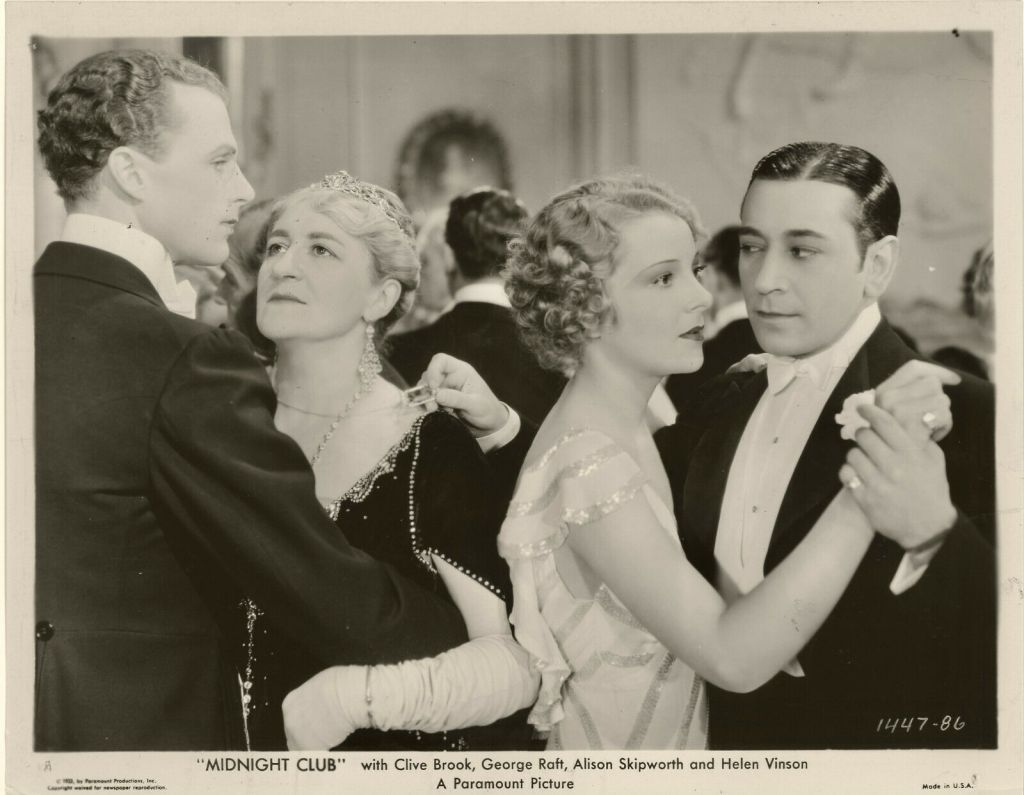
Left to right, unidentified actor, Ethel Griffies, Helen Vinson, and George Raft
This leads to being introduced to “Colin Grant”, and the reveal, that “Nick” wants in on the jewel thefts. And a question, could it be that “Iris” is the real groups leader, not “Colin”?
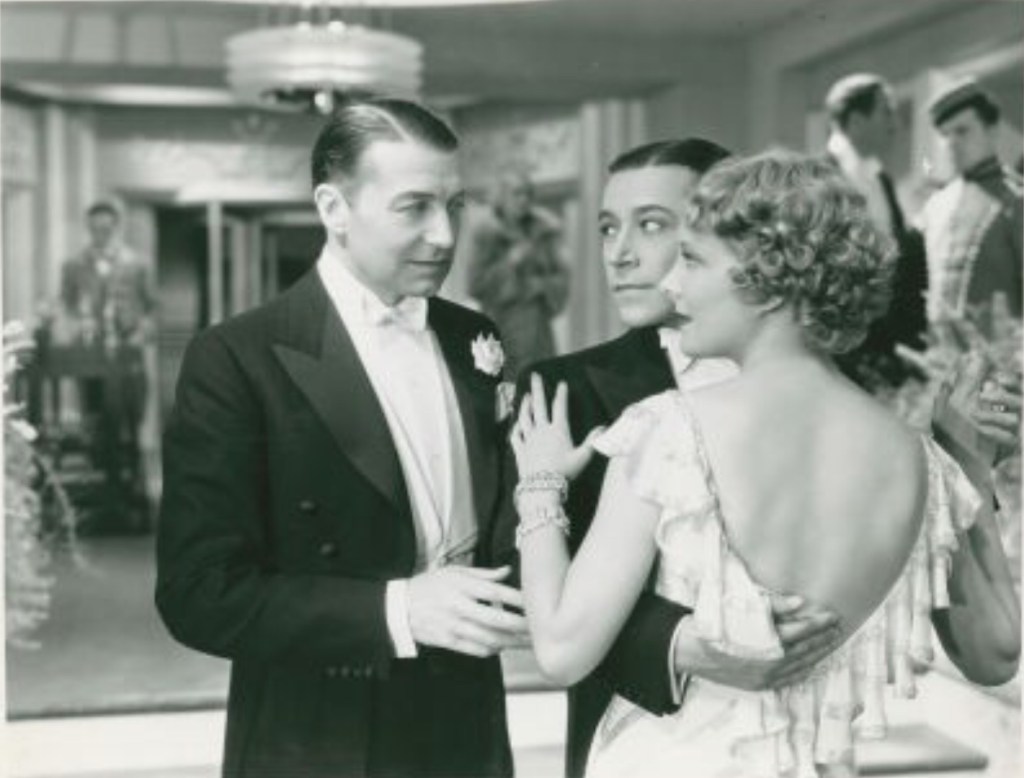
Cautiously, “Nick” is let into the group, and “Colin” starts to like the American.
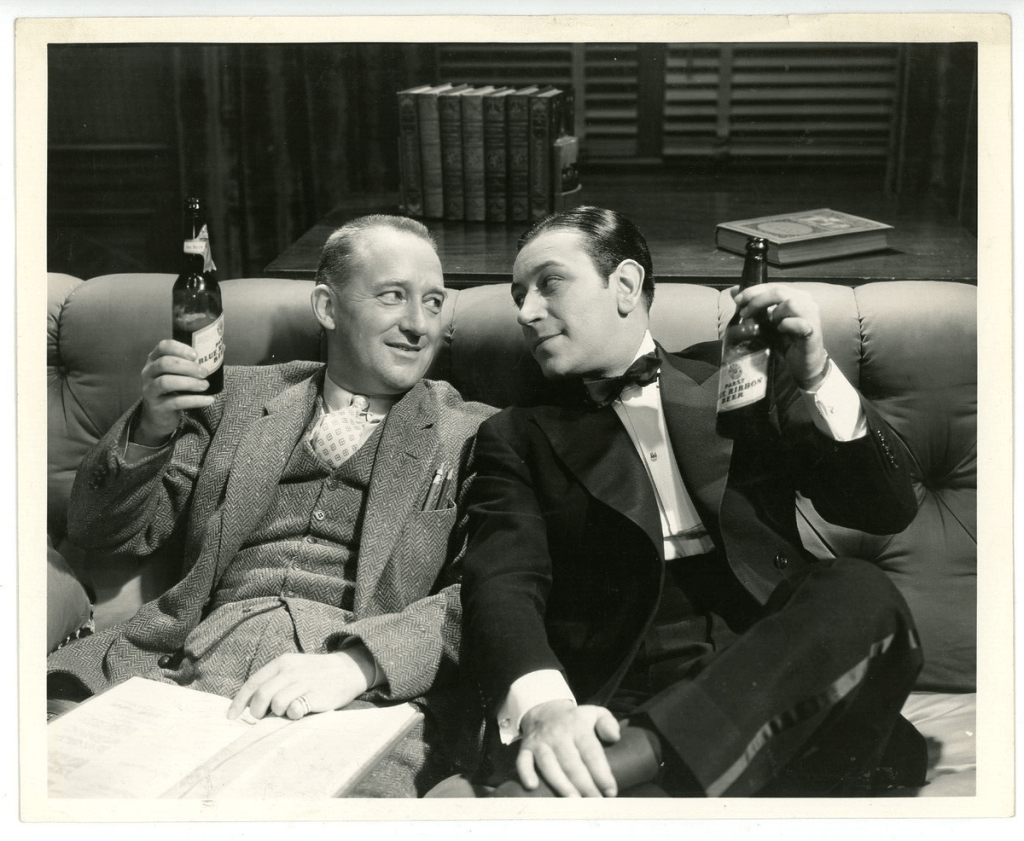
However, “Colin” is also noticing that “Iris” is taking more than a liking to the American gangster.
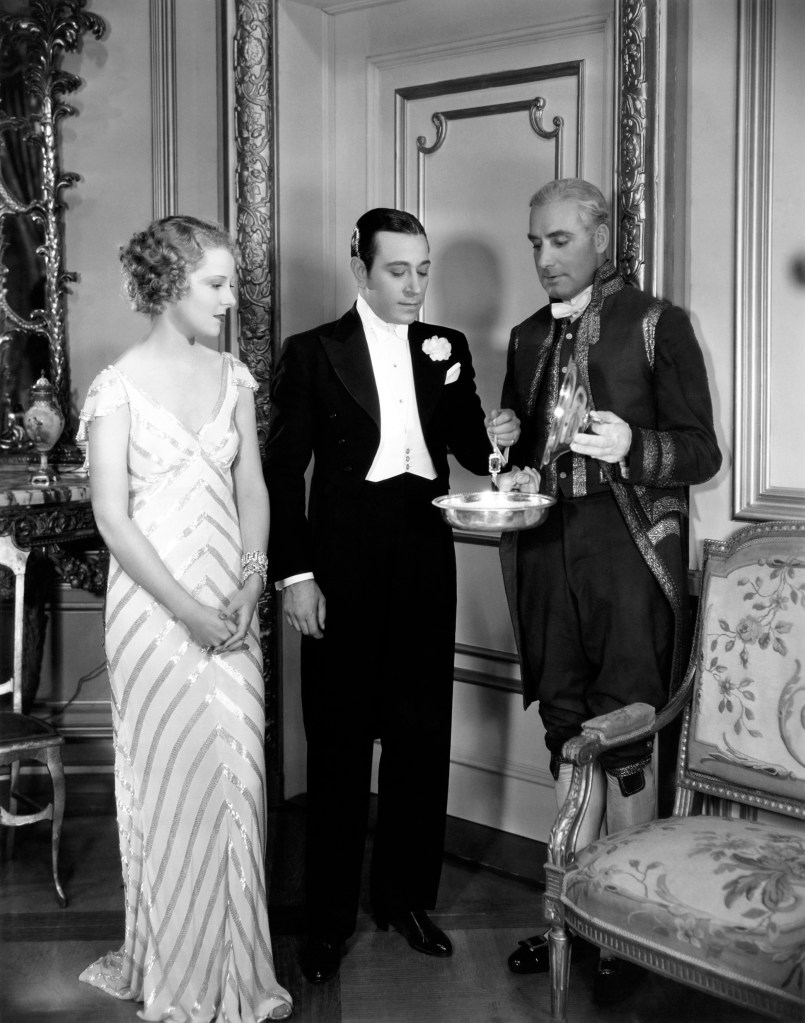
“Nick” goes alone after some prime jewels to steal at a county home, and – – – –
The picture runs 64-minutes, and 24-minutes into that running time, things start to change, and don’t think you know the ending. The following link, as of this writing, will take my reader to this overlooked George Raft role:
https://ok.ru/video/1526712633957
For his next feature film, George Raft was lent to a new motion picture company named “Twentieth Century Pictures”. This was the company’s first motion picture. Two years later, that company would merge with “Fox Film Corporation” to form “20th Century Fox”.
THE BOWERY released October 7, 1933
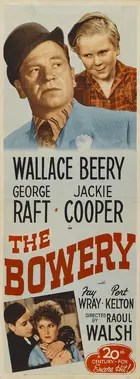
Although I will give my reader an overview of this film’s screenplay.
WARNING:
I need to inform you, that the actual motion picture, linked to this article right below, is a PRE-MOTION PICTURE CODE release. It contains words and scenes that many will find offensive. Which I will not be going over in this article except for two instances..
https://ok.ru/video/1233800464898
The screenplay is based not on a published novel, or story, but a purchased unfinished manuscript from two writers. Who had hoped to publish their work, apparently based upon some real people and incidents, once they completed it. The manuscript’s title was “Chuck Connors”. The first of the two writers, was Michael L. Simons, and between 1931 and 1949, he worked on 29-screenplays in different capacities. The second writer was Bessie Roth Solomon. There is no information available on her, and this appears to be her only known written work.
“One-Eyed” Raul Walsh directed this picture. Not familiar with the name? In 1930, it was director Raul Walsh that renamed Marion Robert Morrison, John Wayne, for Walsh’s directed “The Big Trail”. Other examples of Walsh’s films include, 1924’s, “The Thief of Bagdad” starring Douglas Fairbanks, Sr. In 1939, he directed James Cagney, Priscilla Lane, and Humphrey Bogart in “Roaring Twenties”, and, 1941, saw Olivia de Havilland married to Errol Flynn as “General George Armstrong Custer”, in “They Died with Their Boots On”.
The Main Cast:
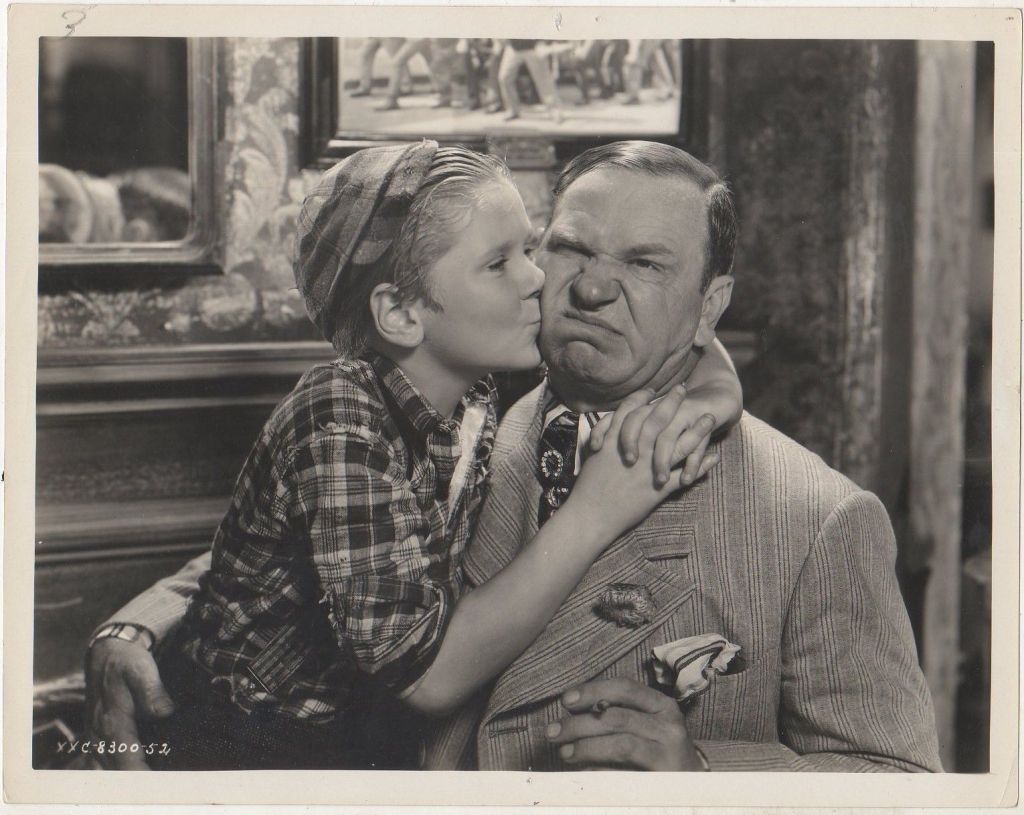
Wallace Beery portrayed “Chuck Connors”. Beery started on-screen in the silent short, 1913’s, “His Athletic Wife”, he was “Professor George Edward Challenger” in the 1925 version of Sir Arthur Conan Doyle’s, “The Lost World”, with special effects/stop-motion-animation by Willis O’Brien. Wallace Beery followed this motion picture portraying “Pancho Villa” in 1934’s, “Viva Villa”. He was “Long John Silver” in the 1934 version of Robert Louis Stevenson’s, “Treasure Island”, co-starring Jackie Cooper as “Jim Hawkins”. That movie was followed by the actor portraying P. T. Barum, in 1934’s, “The Mighty Barnum”.
The real Chuck Connors, born George Washington “Chuck” O’Connor, changed his last name to Connors. Supposedly, to down play, somewhat, his Irish background.
Connors was known as the “Mayor of Chinatown”, because, according to the “IMDB website”, at:
https://www.imdb.com/name/nm0175489/bio/
“Connors grew up in New York City, in proximity to New York’s Chinatown, where he eventually learned to speak some Mandarin Chinese. As a youth, Connors worked odd jobs, including performing as a clog dancer in the Gaiety Museum. Though a habitué himself of The Bowery, his ability to speak Chinese and his familiarity with the neighborhood and his denizens earned him his nickname.
The press loved Connors, a burly bouncer who worked The Bowery’s dives, as he used quite colorful language and did not censor himself for the sake of Victorian propriety. He is credited with inventing the phrases “the real thing,” “oh, forget it,” and “under the table.” His autobiography “Bowery Life” (ghostwritten by “Police Gazette” editor Richard K. Fox.) ensured his reputation.”
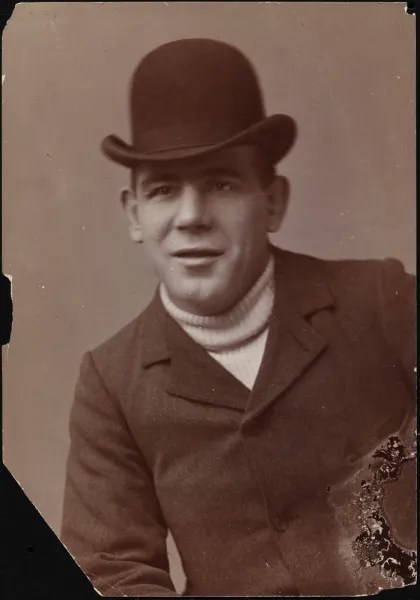
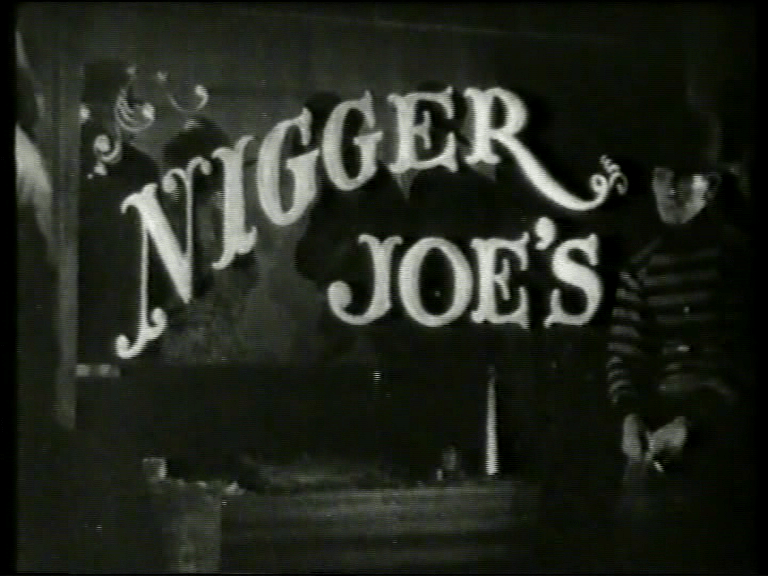
He was often referred to as the “King of the Bowery’s Nightlife”, and known for giving tours of the area around his home. Chuck Connors, was the white owner of a saloon called “Nigger Joe’s”, seen in the opening of the movie. Over the decades, the ownership of the saloon has somehow avoided the actual racist tone of the period, and is said to have been owned by, an unnamed, African American. The following photo, of Chuck Conners, was taken in 1890.
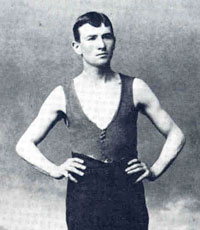
George Raft portrayed “Steve Brodie”, The real Steve Brodie had claimed, that on July 23, 1886, he jumped off the Brooklyn Bridge and survived. Prior to this claim, the real Brodie had been penniless and turned his claim into a thriving saloon business. The slang term, “Doing a Brodie” came from his, alleged, taking a chance that could have killed him, specially a “Suicidal Chance”. Below, the real Steve Brodie in 1885.
Jackie Cooper portrayed “Swipes McGurk”. Between 1929 and 1931, Cooper was a member of Hal Roach’s, “Our Gang”. Cooper and Beery brought tears to the eyes of even men, in 1931’s, “The Champ”, he was Henry Fonda’s first co-star in 1940’s, “The Return of Frank James”. From 1955 through 1958, Jackie Cooper starred on the television show, “The People’s Choice”, with a talking dog, “Cleo”, to the audience, no one else hears her, about what was happening in some scenes of each episode.
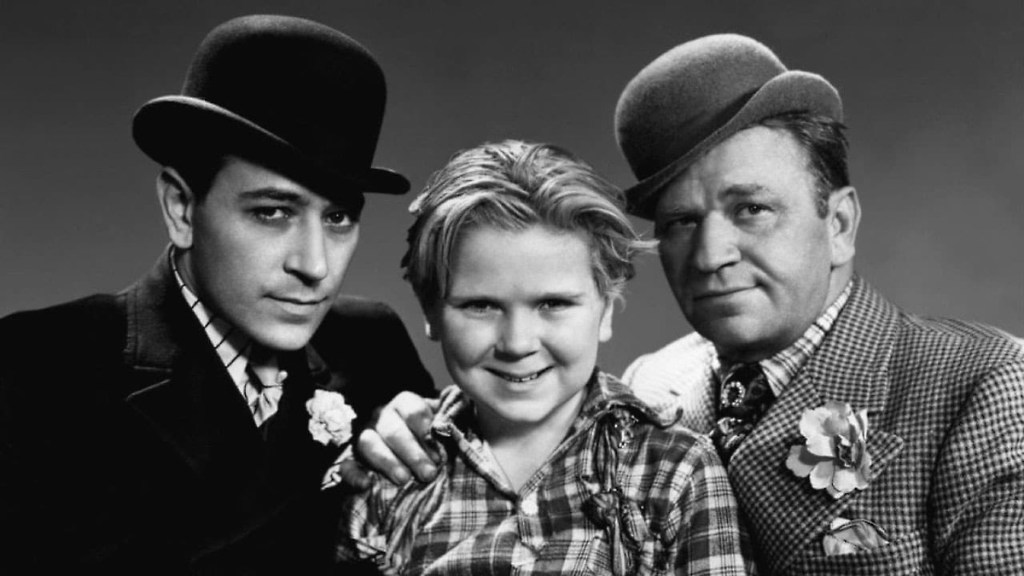
Above left to right, George Raft, Jackie Cooper, and Wallace Beery.
Fay Wray portrayed “Lucy Calhoun”. This picture was Wray’s 6th-film after the release of 1933’s “King Kong”. Wray had just been seen co-starring with Gary Cooper in 1933’s, “One Sunday Afternoon”. In 1934, she would co-star with Wallace Beery in “Viva Villa”. My article is “FAY WRAY BEFORE ‘KING KONG” found at:
https://www.bewaretheblog.com/2015/11/fay-wray-before-king-kong.html
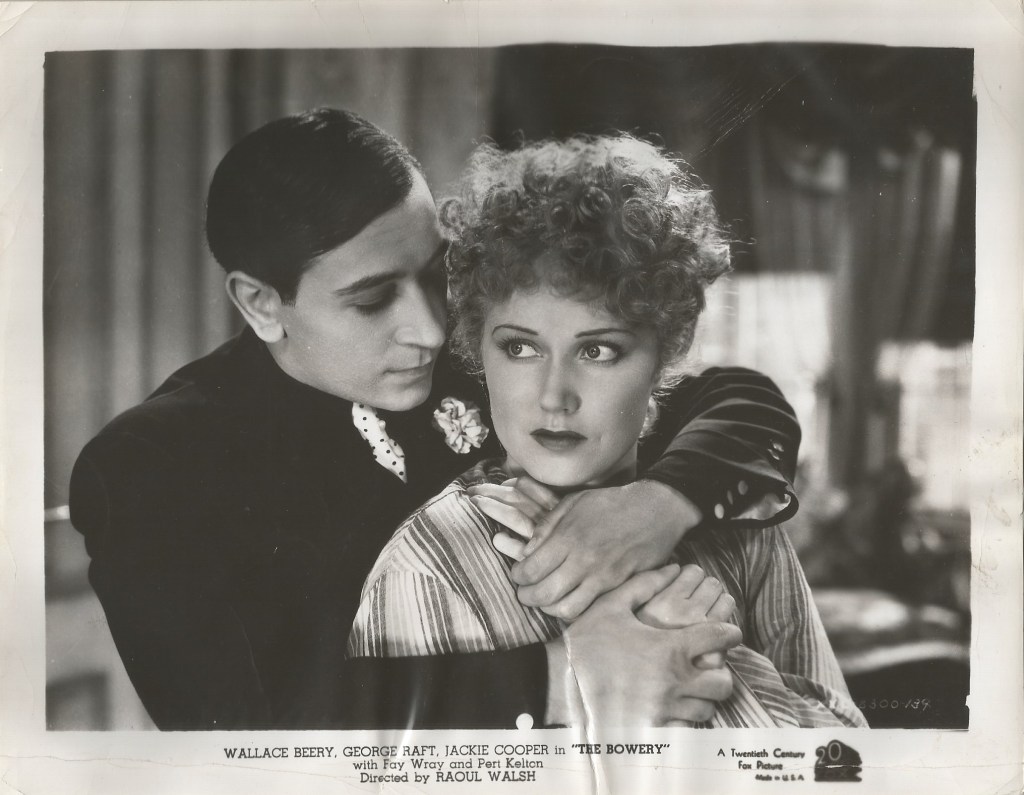
Above, George Raft and Fay Wray.
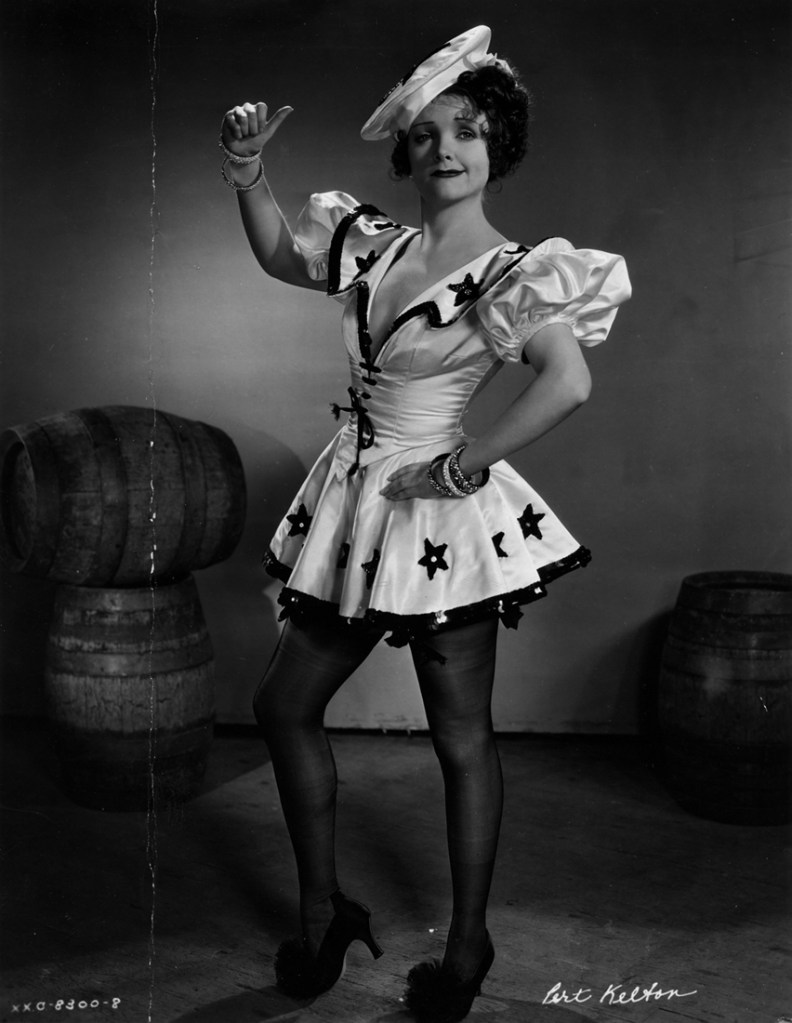
Pert Kelton portrayed “Trixie Odbury”. Kelton was a Broadway comedian, and had been in film’s since 1929. She was the original “Alice Kramden”, opposite Jackie Gleason on television’s “The Honeymooners”, but in 1952, she ran afoul of the “House Committee on Un-American Activities”, and was “Blacklisted”. She finally returned to the small screen on the television anthology series, “Omnibus”, with the first episode of “Malice in Wonderland”, January 18, 1959.
The Basic Story:
The setting is “The Gay 90’s”, on New York City’s “Bowery”, and the audience sees a window on a saloon reading, “Nigger’s Joe’s“.
Next, the audience meets this motion picture’s version of saloon owner, “Chuck Connors”, who discovers that his rival, the motion picture’s version of “Steve Brodie”, has thrown a melon at his saloon’s window.
The happy-go-lucky, “Brodie”, explains this was the result of a bet that he wouldn’t dare do that. The two friendly rivals, are about to start to fight. When they hear about a major fire in neighboring Chinatown, and get their own volunteer fire fighters to fight it. However, not before they wager a $100, as to which volunteer fire fighter will be the first to throw water on it.
“Steve Brodie” is first to get to the fire, but finds “Connors” young friend, “Swipes McGurk” sitting on a barrel over the fire hydrant. Which blocks “Brodie’s” fire fighters access to the needed water. “Chuck Connors” arrives and the two start to argue over who wins the bet, as the fire rages in Chinatown and people in one building are screaming for help.
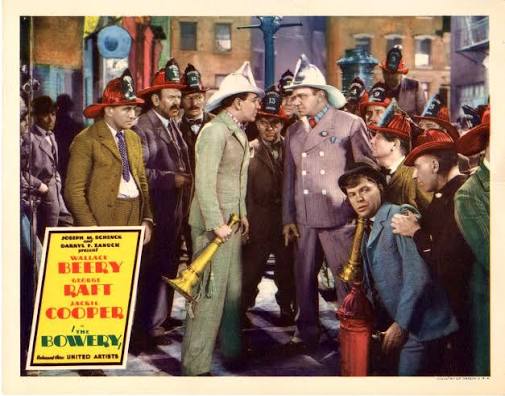
As the two groups of volunteers now fight each other, the Chinese inside the building, who have been screaming for help, die inside it.
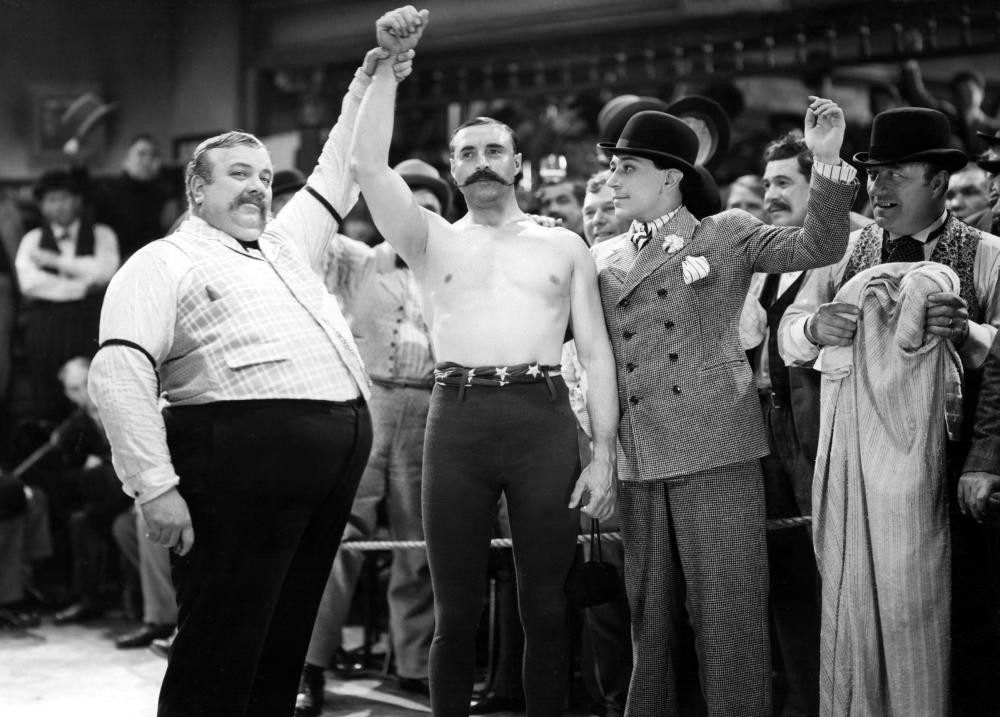
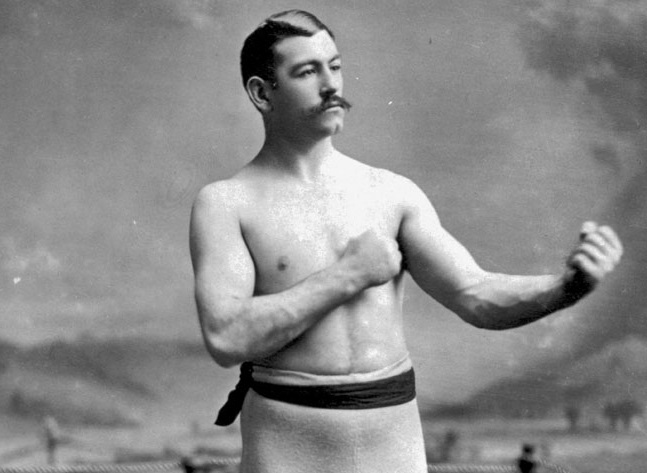
“Brodie” now bets “Connors”, $500, that he has a boxer that can beat the other’s “Bloody Butch, the Pride of the Bowery”, I could not locate who portrayed him, with his “Masked Marvel”. The fight takes place, and with one punch, the “Masked Marvel” knocks out “Bloody Butch”. However, “Brodie’s” fighter turns out to be the real-life professional boxer, John L. Sullivan, portrayed by Raoul Walsh’s brother, George Walsh.
Below, the real John L. Sullivan.
Next, “Chuck’ meets a homeless girl, “Lucy Calhoun”. After learning of her situation, the good hearted “Connors”, invites her to his apartment, and lets her spend the night. “Swipes”, “Chuck’s” adopted son, is not pleased with the competition for “Chuck’s” attention that night. While, in the morning, “Chuck” is pleasantly surprised to find that “Miss Calhoun” has completely cleaned the apartment, and cooked their breakfast, but this completely annoys “Swipes”.
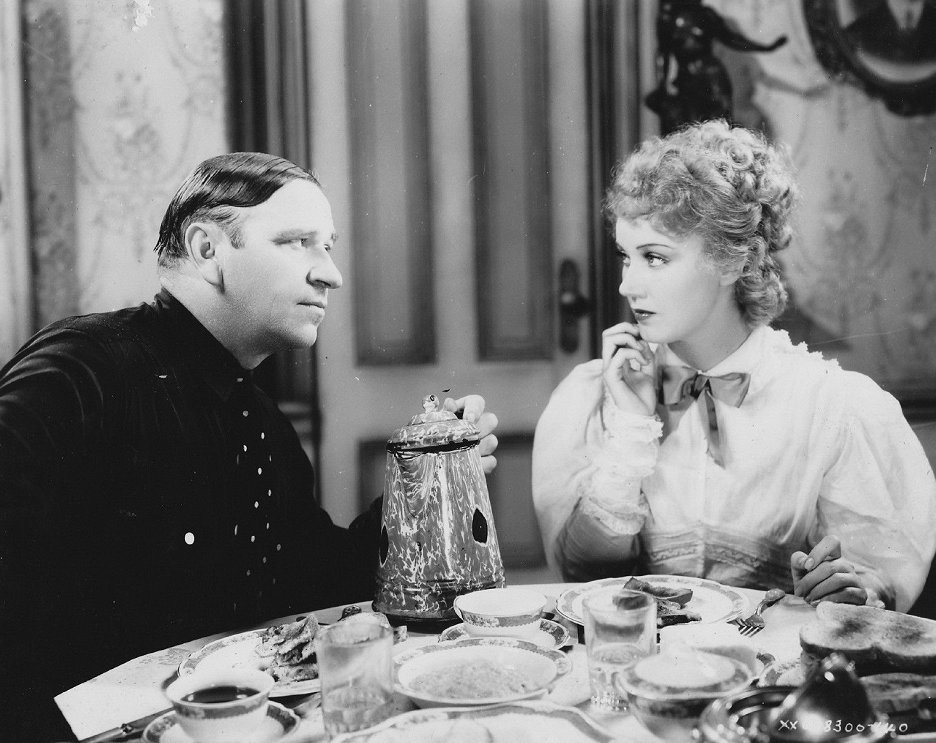
“Chuck” leaves, and on his first opportunity, “Swipes” locks “Lucy” in a closet. When “Chuck” returns and finds out what “Swipes” has cruelly done to “Lucy”. He unlocks the closet, to let the poor girl out. Then, loving step father, “Chuck Connors”, for the first time, spanks “Swipes McGurk”. The humiliated “Swipes”, packs, and leaves.
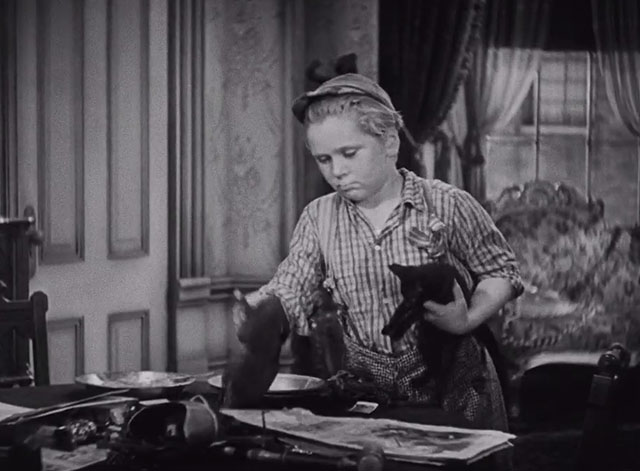
Later, “Swipes”, meets “Brodie” later in the day, and is invited to stay with him.
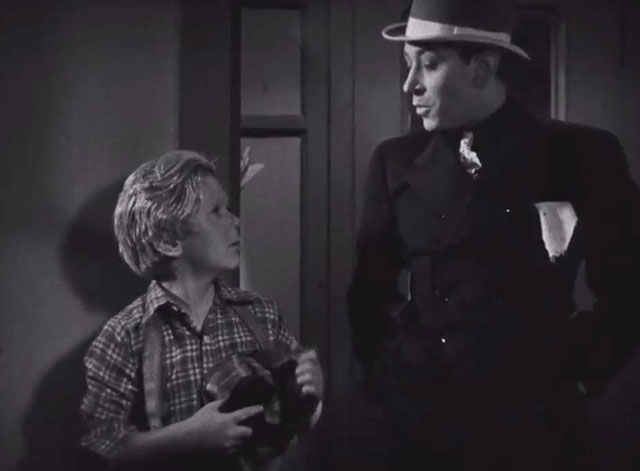
Next, finding out about “Lucy”, “Brodie” makes the mistake of assuming she is “Chuck’s” mistress, and decides to seduce her. “Brodie” goes to “Chuck’s” place, meets “Lucy”, and forcibly moves on her, but she bites him on the hand and draws blood. “Brodie” apologizes for what he did, asks if she will let him, properly, call on her, the two will eventually fall in love, and “Steve Brodie” will tell “Miss Lucy Calhoun” his dream of owning a saloon larger than “Chuck’s”.
Shortly, after “Swipes” has left him, “Chuck Connors” now adopts the orphan “Lucy Calhoun”.
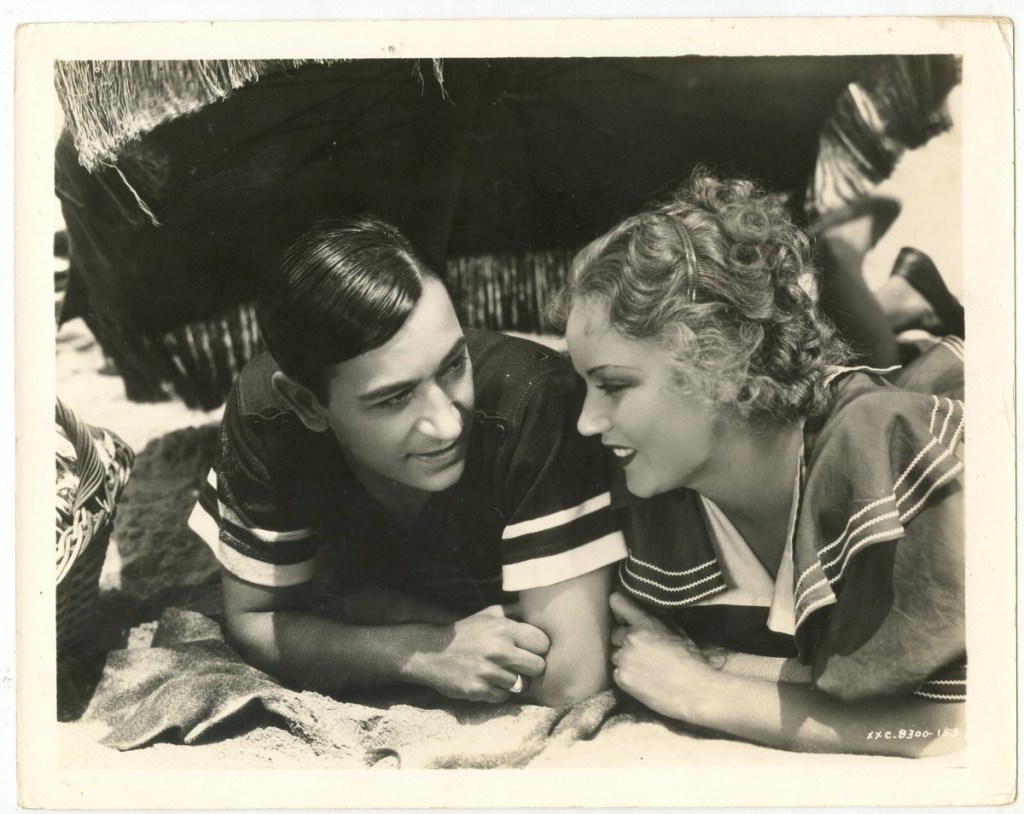
Above is George Raft with Fay Wray, later in the picture.
When two brewers offer to sponsor “Steve”, IF he can find away to bring his name into prominence. “Steve Brodie” comes up with a grand stunt, he will jump off the Brooklyn Bridge.
“Chuck Connors” bets his saloon against a free burial, that “Steve Brodie” won’t survive the jump.
Now, “Brodie’s” scheme to avoid actually jumping comes into play. He has arranged for a life-sized-dummy of himself to be made. At the moment of the jump, “Swipes”, will toss it off the bridge instead of “Steve” actually jumping off.
A crows of over 10,000 people have come to watch “Steve Brodie” jump off the bridge, BUT “Swipes” discovers the dummy is missing. According to “Swipes”, he told “Steve” that:
“They were hip to us so they copped it.”
Despite “Swipes” pleas not to do the jump, “Steve” decides to go through it, so no one can say he didn’t take a dare.
Meanwhile, temperance crusader, the real “Carrie A. Nation”, portrayed by Lilian Harmer, arrives at “Chuck Connors” saloon with her followers, all carrying axes to tare it down.
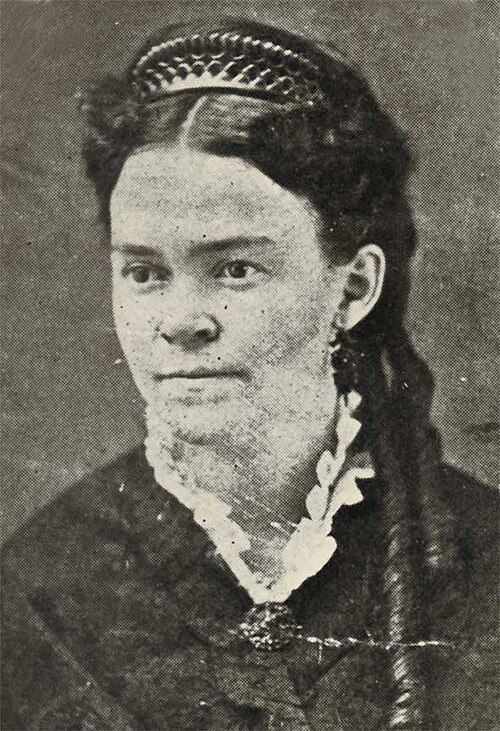
Above, Lillian Harmer, and below Carrie Nation in 1874.
“Chuck” sees the crowd lifting up “Steve”, and realizes he must have actually jumped off the Brooklyn, and knows he now owns the saloon. So, “Chuck” tells the temperance ladies to tare down the saloon to the ground.
“Steve Brodie” is now seen opening the refurbished saloon, next, the “Spanish American War” begins, and to get away from the Bowery, were he is no longer a big shot, “Chuck Connors” enlists in the Army. After enlisting, “Chuck” returns to his apartment to pack, he finds “Swipes”, and the two reconcile over the past events in their lives.
Now, “Brodie’s” new professional rivals, find “Connors”, and playing off his wounded pride, show him the dummy, and claim that “Steve” never won “Chuck’s” saloon. “Connors” demands that “Brodie” give the refurbished saloon back to him. However, “Brodie” claims he never used the dummy, but the blinded “Chuck Connors” doesn’t believe him. The two go out onto a barge, in the East River, to settle this once and for all.
However, “Chuck” has been hiding his real motivation to take down “Steve”. He wants to be back as the “KING OF THE BOWERY”, a title, in his mind, that was stolen by “Steve”. Their fight is a violent, brutal, near-fatal grudge match between the two friends/rivals, ending with “Steve Brodie” near death in the hospital.
After “Chuck Connors” returns victorious, he is arrested and charged with assault and battery with intent to kill.
However, the hospitalized “Steve” refuses to implement him. As “Steve” starts to recover, “Chuck” visits him, a visit that almost becomes another fight, stopped by “Swipes”. Who urges the two to stop pickering already, and become friends. As they shake hands, “Connors” dares “Brodie” to join the Army, and be with him in Cuba.
The motion picture ends, at a parade of departing soldiers, “Chuck” tells “Lucy” to kiss “Steve” goodbye, which she does, and than also kisses “Chuck” on the cheek. The two men lament not being able to say good-bye to “Swipes”, but then see him hiding on the supply wagon in front of them.
George Raft had just co-starred with the leading lady from, 1933’s, “King Kong”, and now, he would work with the leading lady from, 1933’s, “Son of Kong”.
ALL OF ME released February 1, 1934
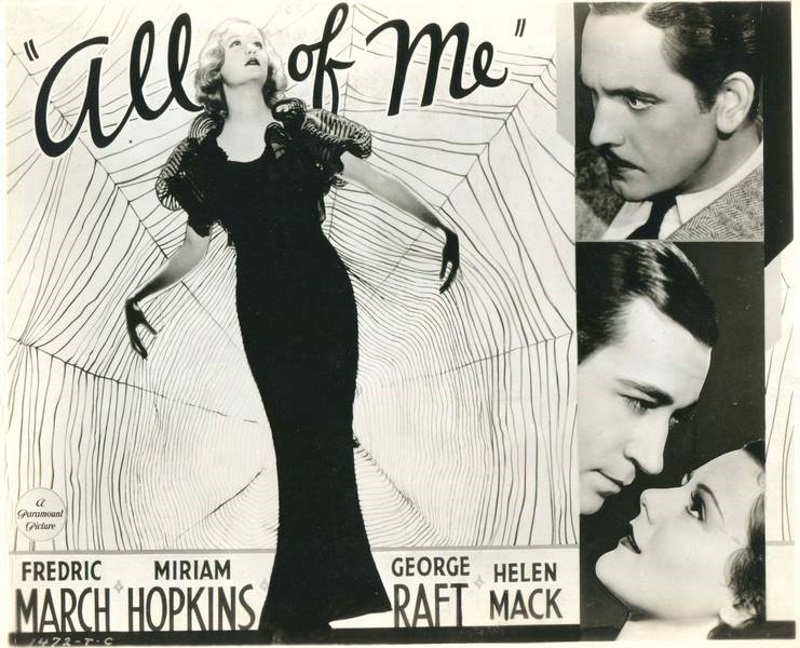
The screenplay was based upon playwright Rose Porter’s, 1932, “Chrysalis” aka: “Parfumerie”. It was written by Sidney Buchman, and actor Thomas Mitchell, one of his only seven screenplays.
James Flood directed, this 1934 motion picture, directly followed 1932’s, “Under-Cover Man”.
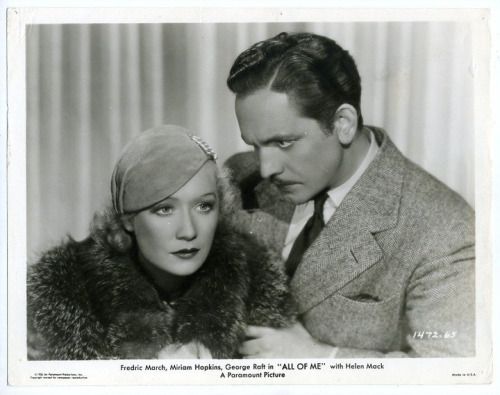
Fredric March portrayed “Don Ellis”. March had just starred in 1934’s, “Death Takes a Holiday”, and would follow this production by co-starring with Sylvia Sydney, in, 1934’s, “Good Dame”.
Miriam Hopkins portrayed “Lydia Darrow”. Hopkins, as I previously mentioned, had been with George Raft, in 1932’s, “Dancers in the Dark”, and with Fredric March in 1931’s, “Dr. Jekyll and Mr. Hyde”.
George Raft portrayed “Honey Rodgers”.
Helen Mack portrayed “Eve Haron”. Mack had just portrayed “Hida Peterson”, in 1933’s, “Son of Kong”. My article is “HELEN MACK – Not Fay Wray – The Son – Not the King” to again explore “Skull Island” at:
https://www.bewaretheblog.com/2024/06/helen-mack-not-fay-wray-son-not-king.html
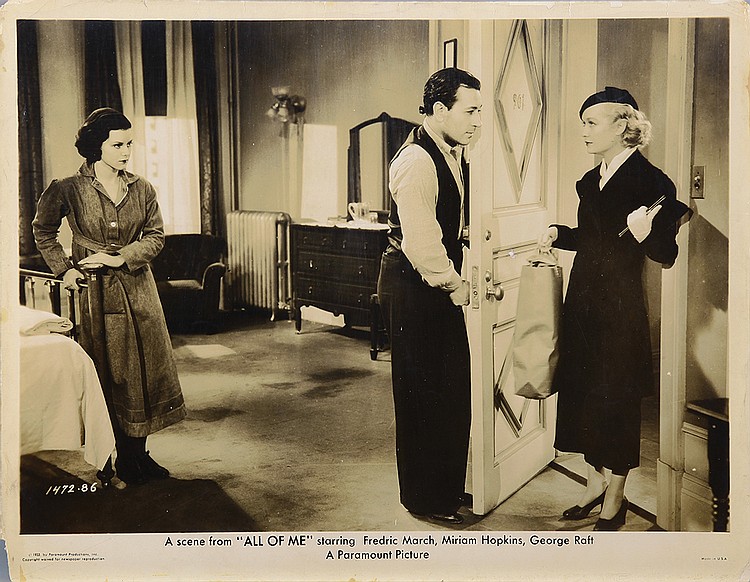
Above left to right, Helen Mack, George Raft, and Miriam Hopkins.
Somewhere a long the way, this excellent foursome, got lost in a terrible screenplay. That was based upon a play, that only lasted on Broadway, for 23-performances, between November 15th and December 3, 1932. Which should have been a warning to the four actors.
The seemingly disjointed plot has “Professor Don Ellis” fed up with the direction his life is going, but gets a chance to go to Nevada and work on “Boulder Dam”. Leaving, he is accompanied by his extremely wealthy student/mistress, “Lydia Darrow”. Who can’t understand why “Don” would leave a cushy professorship for possible manual labor. On their trip to Nevada, the two stop at a bar.
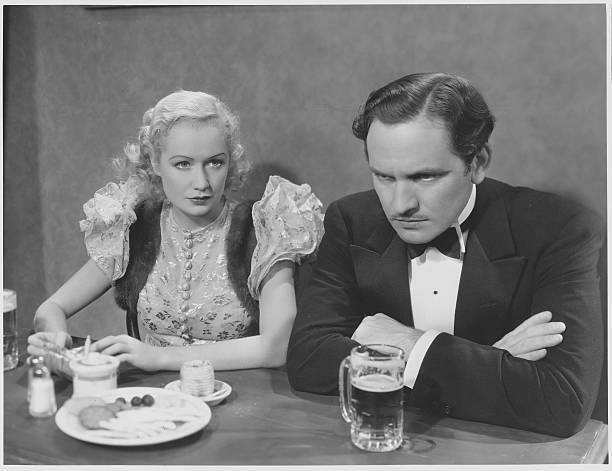
There, they easedrop on a lower class couple, “Honey Rodgers”, and his devoted girlfriend, “Eve Haron”. “Honey” and “Eve” are discussing their future, and how to make ends meet, because, surprise, she’s pregnant, and he’s an escaped convict.
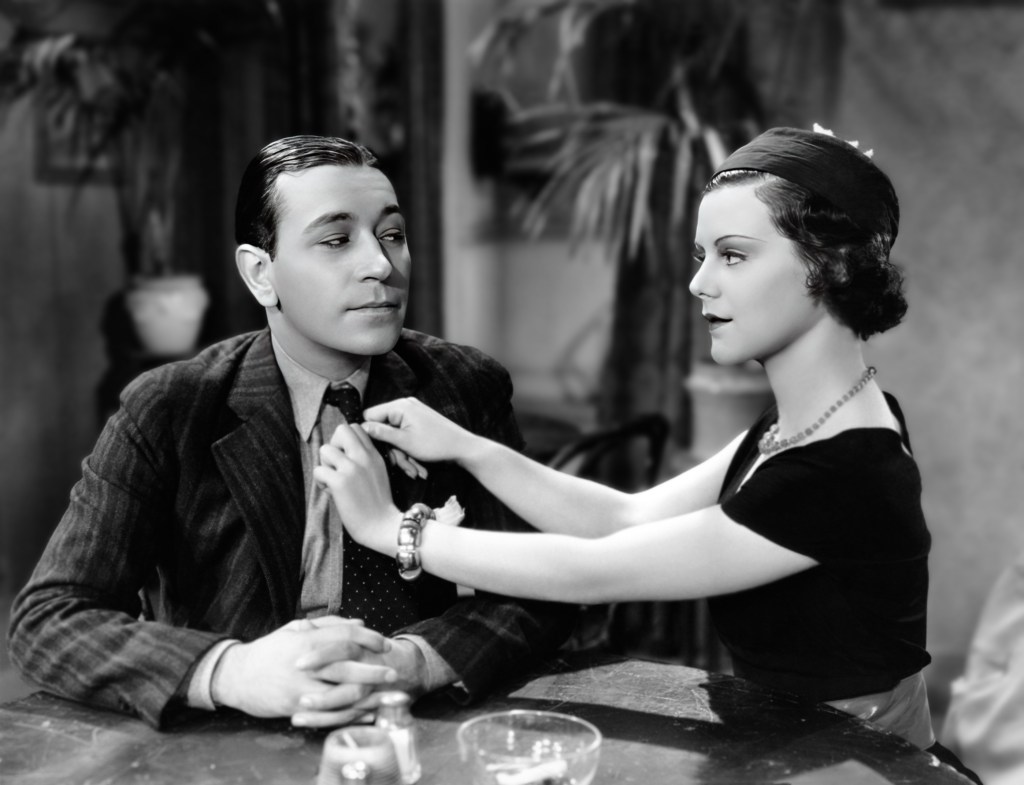
Somehow, the story gets the two couples intertwined, in a supposed reflection of how the wealthy are blinded to the problems of the working class. “Lydia” starts out as a “Flighty and Privileged Wealthy Woman”, but befriends, as the story progresses, the struggling, just to survive, working class, “Eve Haron”. Who “Lydia” cannot understand why she loves “the worthless”, “Honey Rodgers”. “Lydia” has also broken up with “Don”, over that job at Boulder Dam, which is, in her mind, below him and his status.
The climax comes, AFTER the police have cornered escaped convict “Honey Rodgers” on the top floor of a high-rise. Looking at his future in prison and without “Eve” will not work, and he decides he will not go back to prison. “Honey” jumps out of the high-rise to his death. As he jumps, so does the pregnant “Eve”, so they can be together forever.
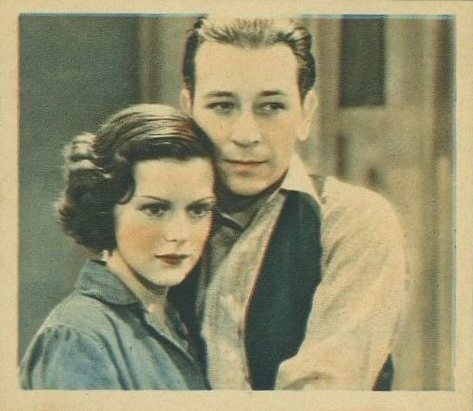
“Eve’s” action cause “Lydia” to re-evaluates her own, “worthless life“, and realizes the love and devotion that poor “Eve” had for “Honey”. “Lydia” returns to “Don”, and the two start a new life with a new point of view”.
The critics panned the picture’s confusing and manipulative screenplay, and, of course, the motion picture was a box office flop.
I end this look, at the beginning of George Raft’s film career. With a motion picture, in which, he returned to film AS A DANCER!
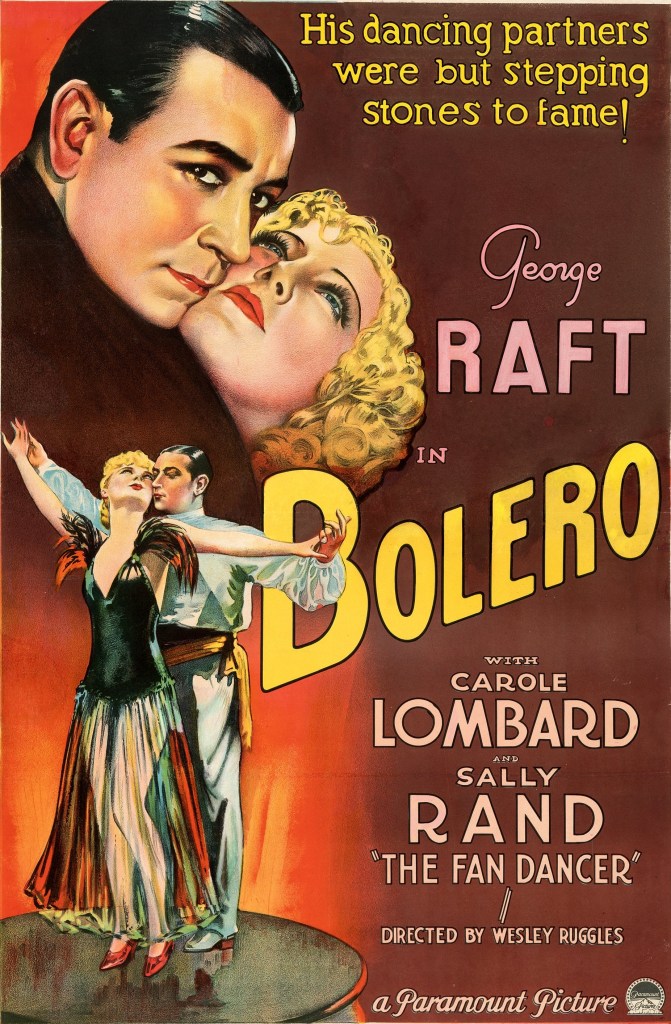
BOLERO released February 23, 1934
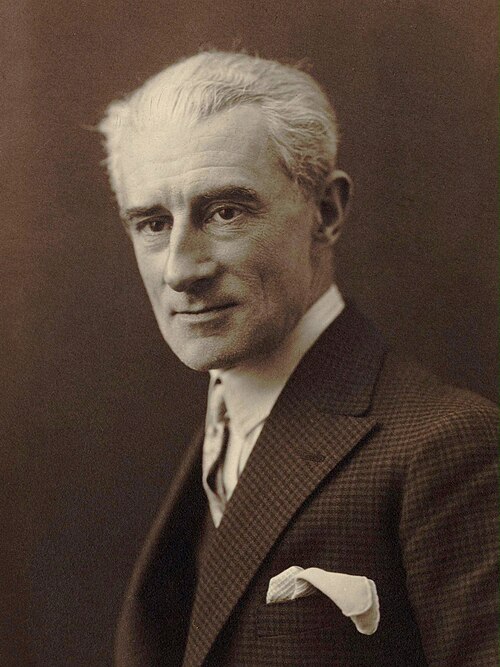
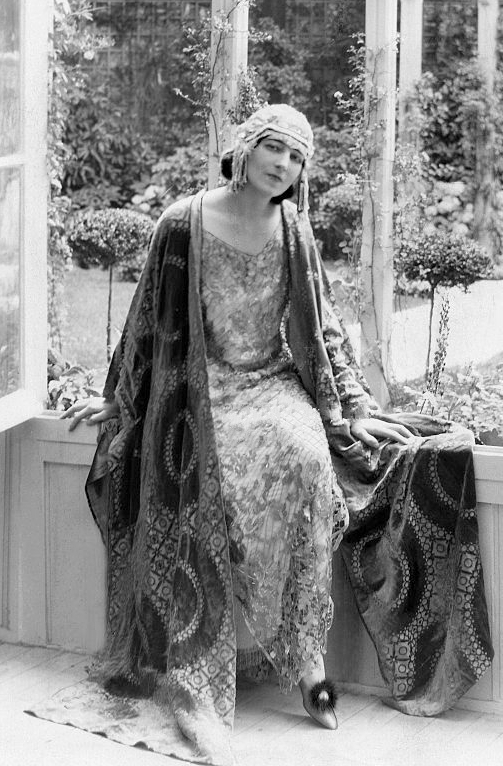
In 1928, French composer Joseph Maurice Ravel, below photo #1, composed the “Bolero”, for the Russian dancer, Ida Lvovna Rubinstein, below photo #2.
It became, and remains, Ravel’s most known and played composition. His name was Maurice Oscar Louis Mouvet, and he was an American dancer known for his “Bolero”. In 1911, “Maurice”, as he was known, married his dancing partner, Florence Walton.
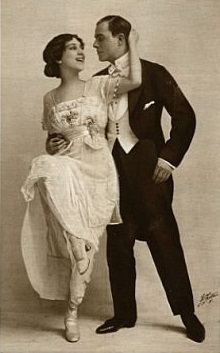
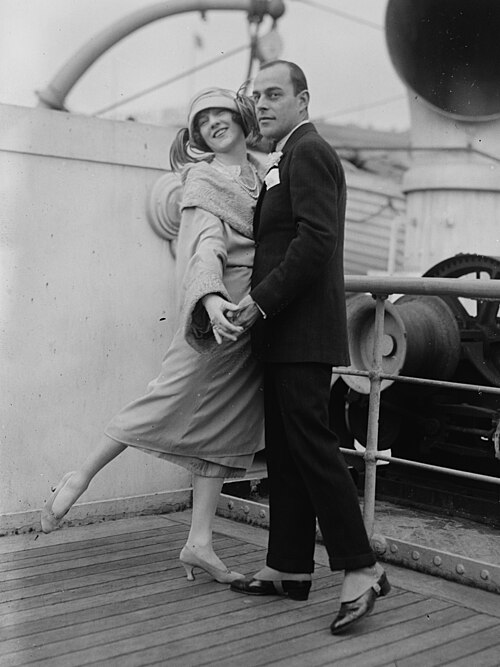
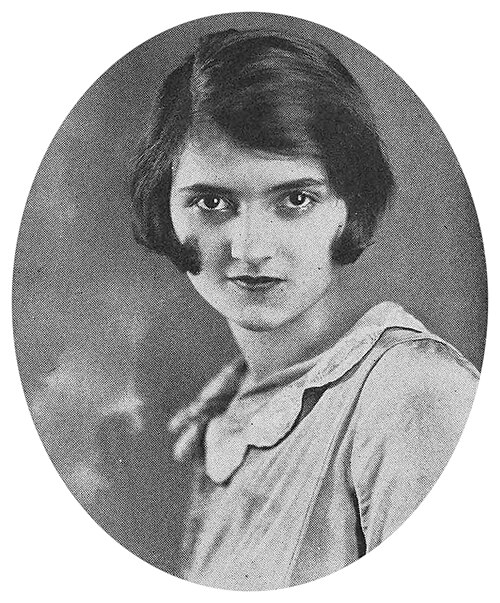
Maurice Mouvet died on May 18, 1927, from tuberculosis, at the age of 37. My reader should take note, that Mouvet died one year, before the “Bolero” was composed. However, the power of the composition is used for this motion picture.
The screenplay for “Bolero” was based upon the life of Maurice Mouvet. Writer, Ruth Ridenour, apparently came up with the idea of doing a fictional look at Maurice Mouvet. I could find nothing about who she was and what connection to “Paramount Pictures” she had.
Ruth Ridenour’s idea was turned into a storyline to be made into a screenplay by both Carey Wilson, 1924’s, Lon Chaney’s, “He Who Gets Slapped”, and 1935’s, “Mutiny on the Bounty”, and , Kubec Glasmon, 1931’s, “The Public Enemy”, and the same years, “Taxi”.
The actual screenplay was written by Horace Jackson, the Ann Harding, Leslie Howard, and Myrna Loy, 1932, “The Animal Kingdom”.
There were two directors on the production, but only one received on-screen credit. The credited director was Wesley Ruggles, among his work are, the 1932 adventure film, “Roar of the Dragon”, starring Richard Dix, the 1933 horror film, “The Monkey’s Paw”, and right before this feature, the 1933 Mae West classic, “I’m No Angel”.
The uncredited director was Mitchell Leisen, brought on-board to direct all the dance sequences, because Ruggles had no idea how to film and direct them. Leisen had started out in films, by designing sets and costumes for Cecil B. DeMille. He was nominated for the “Academy Award, Best Art Direction”, for DeMille’s, 1929, “Dynamite”. His first directing assignment was 1933’s, “Cradle Song”, starring Swedish actress, Dorothea Wieck. Leisen became known as a “Women’s Director”, for Barbara Stanwyck, Paulette Goddard, Olivia de Havilland, Claudette Colbert, and Carole Lombard.
The Cast:
George Raft portrayed “Raoul De Baere”. Raft wanted “Paramount Pictures” to make changes to dialogue, scenes, and especially dance routines. Which he knew were accurate, compared to the created dance sequences in the script by the studio. He felt he was in the right, because, he had worked with the real Maurice Mouvet, and, as documented, taught Mouvet some dance steps. Instead, “Paramount” suspended George Raft, but gave in to his wishes and reinstated “THE DANCER”actor.
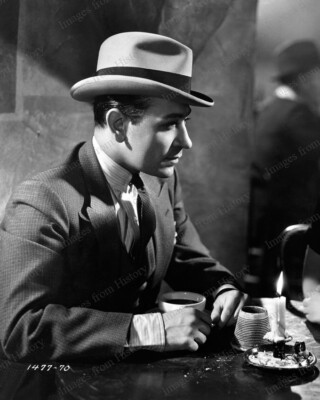
Carole Lombard portrayed “Helen Hathaway”. At this time, Lombard was married to actor William Powell. The two would divorce in 1933, and in 1939, she married Clark Gable. Tragedy came into that marriage, when she was killed, along with her mother, Elizabeth Jayne “Bessie” (Knight) Peters, and her husband’s press agent, Otto Winker, and 15 soldiers, on board a “Transcontinental and Western Air Douglas DST”, that crashed 32-miles southwest of the Las Vegas airport after take-off.
The role of “Helen Hathaway” was originally assigned to Miriam Hopkins, but she became ill while making 1933’s, “Design for Living”, co-starring Fredric March, and Gary Cooper. The role was given to Carole Lombard, who had never danced professionally.
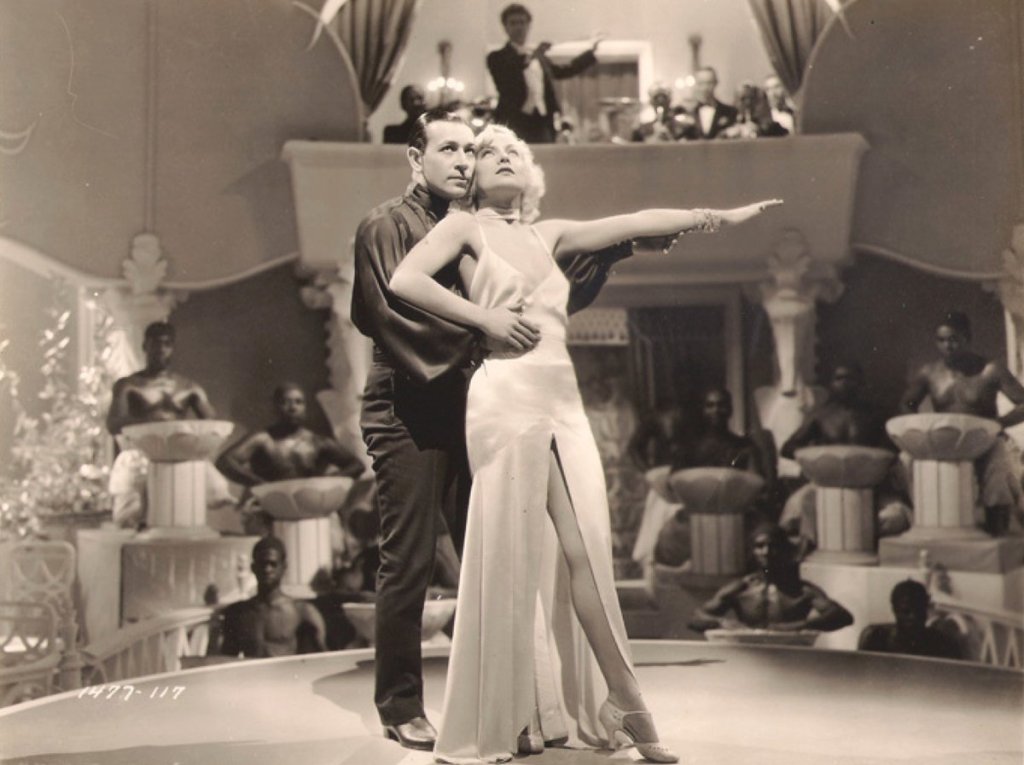
Above, George Raft and Carole Lombard
Sally Rand portrayed “Annette”, and the “Hayes Office” censors went into hyperdrive.
The “Hayes’s Censor’s”, disapproved of a “Real Life, Burlesque Performer” appearing in the motion picture and influencing the morality of the audience.
Below, is Helen Gould Beck, who performed under the name of “Sally Rand”, given to her by Cecil B. DeMille. She was an American burlesque dancer, stripper, cabaret star, and actress. Below, is Sally Rand, from the March 1927, “Valentine’s Day” issue of the Spanish language magazine “Cinelandia”.
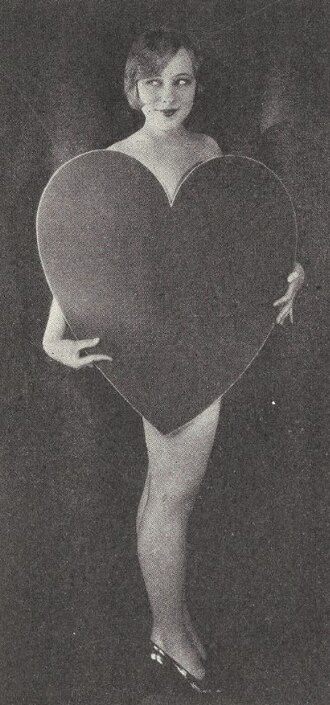
As to the “Hayes Office” attempting to block Sally Rand appearing as “Annette”. It needs to be mentioned that “BOLERO” was released before July 1, 1934, when an amendment to the “Motion Picture Production Code” was adopted. Under that amendment “Paramount Pictures” would have to get a “SEAL OF APPROVAL” from the “Hayes Office”, to display on the opening credits prior to the movie’s title.
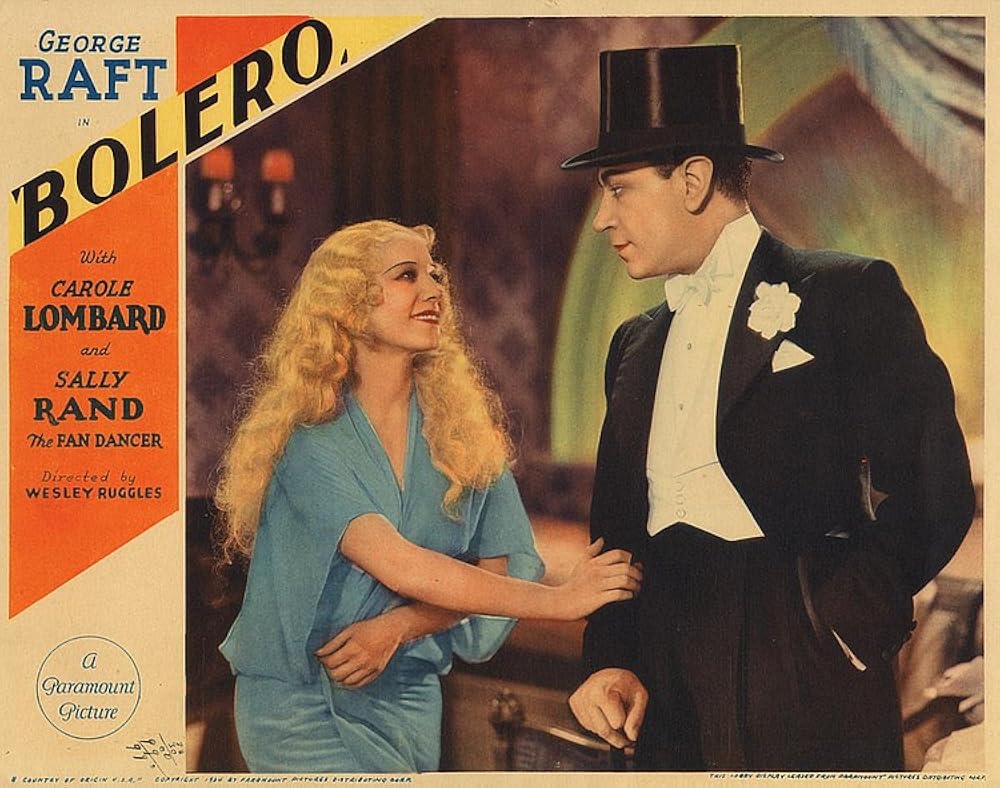
Above, $1,200 each week, for 4-weeks work, Sally Rand, with George Raft. As of this writing, Sally Rand’s weekly salary is equal to $29,206 a week.
A Basic Overview of the Screenplay:
The year is 1910, and “Raoul De Baere”, is a coal miner, who dreams about becoming a dancer in Europe and opening up a nightclub in Paris. He asks his brother “Mike De Baere”, portrayed by William Frawley, to manage him.
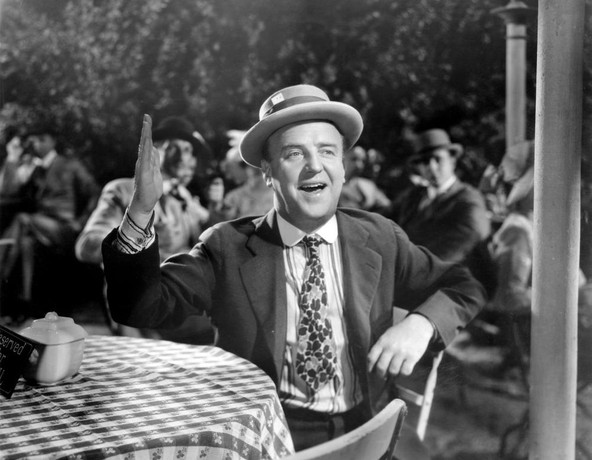
Looking for work as a dancer, “Raoul” goes to a local beer garden, but his solo dancing is not going well. Also,working as a part time dancer is “Lucy”, portrayed by Gloria Shea. “Raoul” realizes he needs a partner and she needs some lessons, and the two become a team. Coming to watch their act is “Mike”. “Raoul” and “Lucy” take to the small stage and start to dance to a waltz.
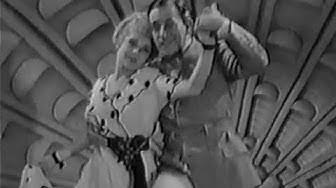
The two are a success, and “Lucy” is attracted to “Raoul”, but he doesn’t want to mix business, dancing, that is driving him, with pleasure.
“Raoul” leaves “Lucy” and goes to Paris, where he’s making a living by dancing with old ladies. He finally meets another female dancer, “Leona”, portrayed by Frances Drake. This leads to the two doing a very sexual “Tango”, and “Leona”, becomes “Raoul’s” second dance partner.
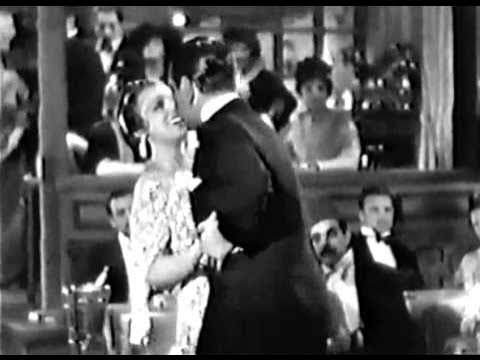
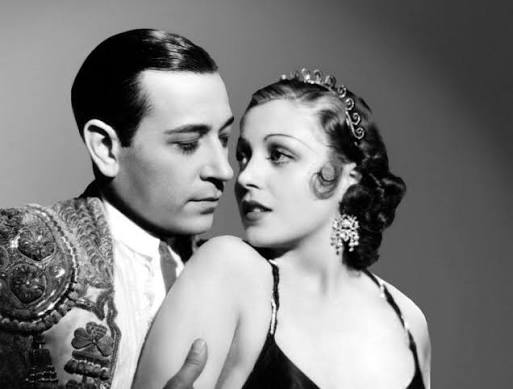
However, as with “Lucy”, “Leona” wants a romance with “Raoul”, but again, he is obsessed with perfecting his dance and refuses. “Leona” is not “Lucy” and she threatens to leave him. To keep “Leona”, “Mike” starts a romantic relationship with her.
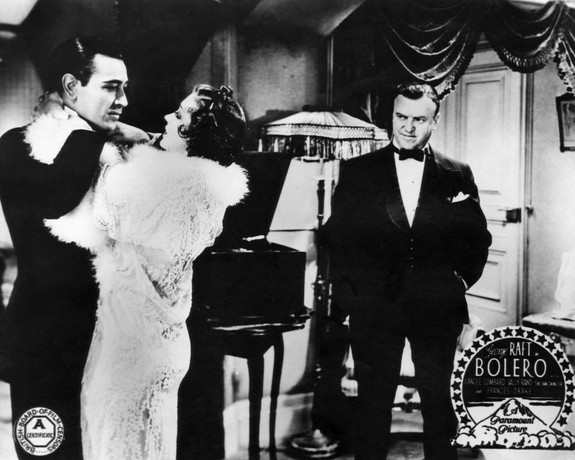
Although, “Mike” dislikes her jealousy and demands for more money (wages to keep dancing with Raoul). However, “Raoul” has reached his breaking point with “Leona” and leaves her and “Mike” comes along too.
Next, “Raoul” starts holding auditions for a dance partner in Paris, and “Helen Hathaway”, a former “Ziegfeld” chorus girl comes to the tryout. As “Raoul” watches, “Helen” strips down to her undergarments to show off her form and readiness for the stage. Followed by Carole Lombard and George Raft dancing
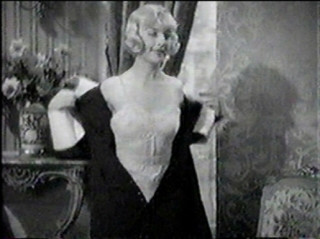
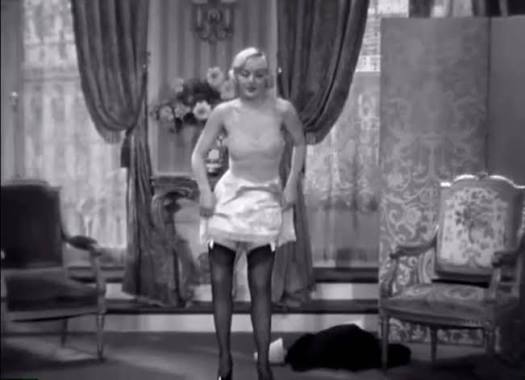
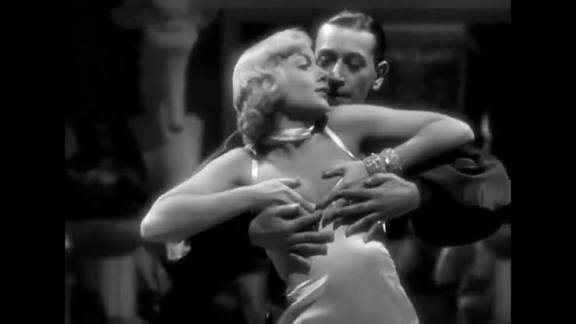
“Raoul” is attracted to “Helen”, but makes her promise she will always reject his advances, and “Helen” agrees. The two become A very successful dance team.
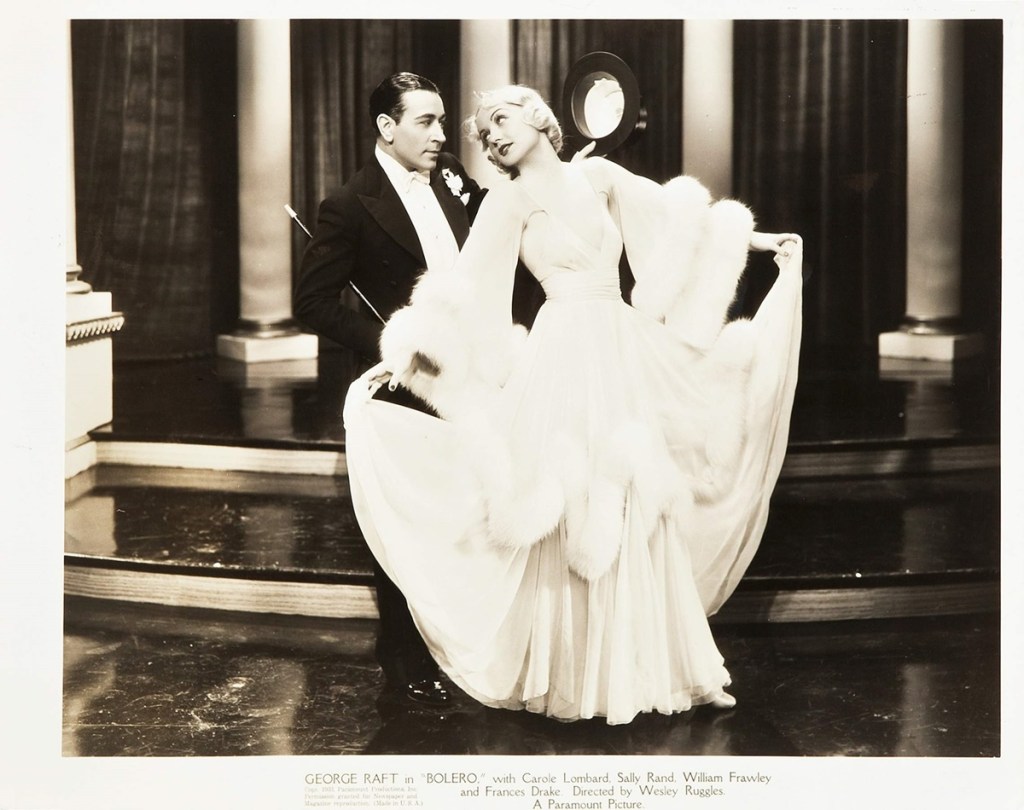
The two appear on the bill with “Annette”, a famous “Fan Dancer”.
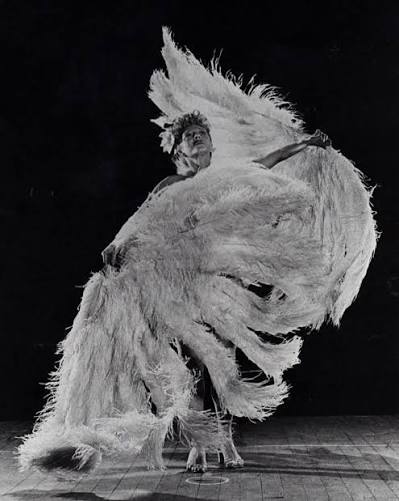
“Annette” wants to dance with “Raoul” and warns him that “British Lord Robert Coray”, portrayed by Raymond Milland, before he just became Ray Milland, is dating “Helen”.
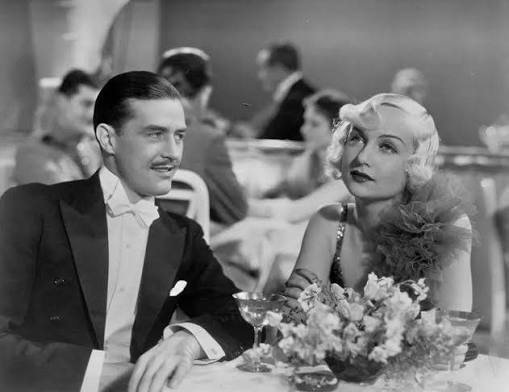
However, while holidaying in Belgium, “Raoul” and “Helen” start an affair. “Raoul” now opens his dream nightclub in Paris, Francis. Next, “Raoul” starts designing a dance number, for “Helen” and his himself, based upon Ravel’s “BOLERO”!
The two start to dance to the “Bolero” to the obvious joy to those at the club. However,”Roaul” stops the dance, when news of the start of the “First World War” reaches the nightclub. At which point, “Raoul” gives a very patriotic speech, and tells those in his nightclub. He will not dance again, until the war has ended.
When “Helen” learns that “Raoul’s” patriotic speech was nothing more than for publicity, she leaves him, becomes a nurse, and marries “Lord Robert Coray”.
“Raoul” and “Mike de Baere” serve in the army during the war, and “Raoul” is injured. On “Armistice Day”, an army doctor, knowing that “Raoul de Barere” is a dancer, warns him that if he exerts himself again, he may die.
“Raoul” attempts locate “Helen” to restart his dancing career. He cannot find “Helen”, but he does reconnects with “Annette”. The two form a team.
“Raoul” is set to reopen his nightclub featuring the “BOLERO”, but finds “Annette” drunk and unable to perform. However,”Helen” is in the audience and agrees to take “Annette’s” place.
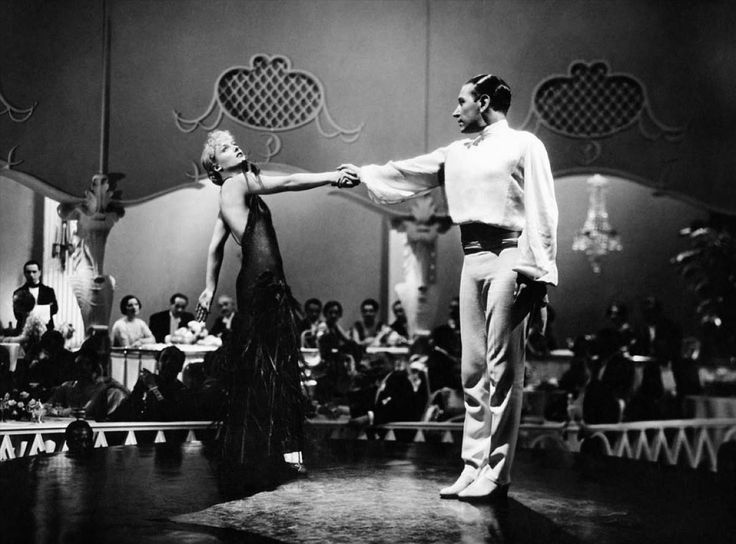
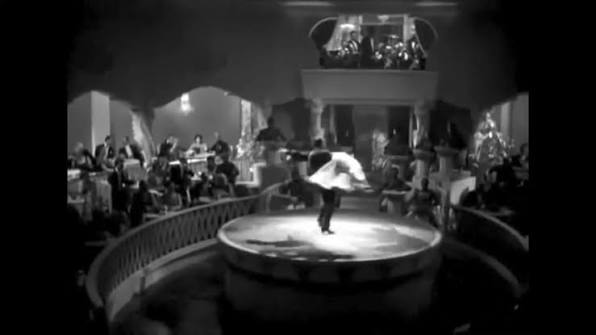
“Raoul” and “Helen” dance his version of the “Bolero”, and the audience keeps applauding and it gets louder and louder. When the exhausting dance routine has ended, the two leave the stage. However, as the army doctor warned, the dance causes major stress to “Raoul’s” body, but before they can return to the stage for the demanded encore performance:
“Raoul De Baere” collapses and dies.
The following link will take my reader to “BOLERO” with French subtitles.
https://ok.ru/video/285257501347
With 1934’s “Bolero”, “DANCER” had finally been shown, the way the actor wanted. In fact, in 1959, George Raft announced he wanted to remake “Bolero”, but that did not happen.
 THE FILM MADNESS OF FRADKIN-STEIN
Leave a comment