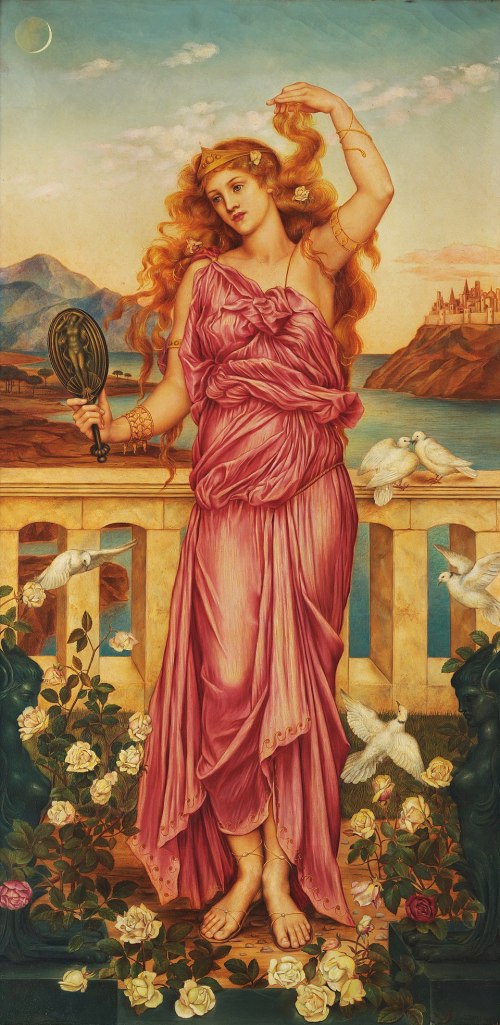
It has been said, that she had:
“THE FACE THAT LAUNCHED A THOUSAND SHIPS”.
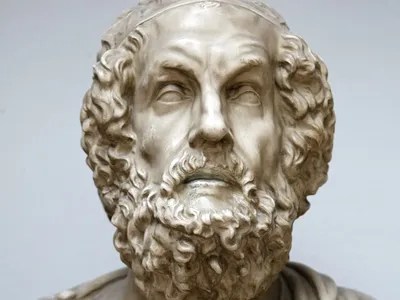
The Greek poet HOMER (Ὅμηρος [hómɛːros] ), wrote his classic mythology, the “ILIAD (Ἰλιάς)”, about the war she started. Scholars believe the poem that was written sometime in the hundred-year period between 750 B. C. and 650 B. C.
American Director Robert Wise, turned Homer’s poetic work into a motion picture. Which many historians, even today, praise for its closeness to Homer’s long poem. Even though their have been other more recent motion pictures such as 2004’s, “Troy”, and 2005’s, “Helen of Troy”.
Robert Earl Wise, started out as a Film Editor, and his two most known works are Orson Welles’s, 1941’s, “Citizen Kane”, and 1942’s, “The Magnificent Amberson”. A film he took over the directing duties while Welles was in South America representing FDR and the United States. However, if you’re a fan of science fiction, Robert Wise’s, 1951, “The Day the Earth Stood Still” comes to mind. Should you prefer drama, 1958’s, “I Want to Live”, starring Susan Hayward, is excellent, or if you’re into musicals, then there is always, 1965’s, “The Sound of Music”, . Not to forget one of Wise’s horror entries for producer Val Lewton, 1944’s, “Curse of the Cat People”. For those of my readers interested in Wise’s directorial work with Lewton, and mention of this feature film, my article is “Director Robert Wise: Horror, Science Fiction and the Greek Homer” at:
https://www.bewaretheblog.com/2020/01/director-robert-wise-horror-science.html
The following is a look at Robert Wise’s feature film:
HELEN OF TROY was originally released on January 26, 1956 Worldwide
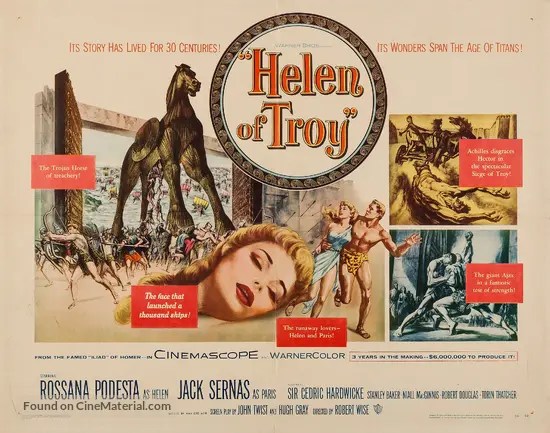
Robert Wise took on the task of bringing Homer‘s “ILIAD” to the motion picture screen with an International Cast of literally thousands. My reader must remember there was no “CGI” in 1956.
Homer’s epic poem, was adapted for a motion picture, by two writers.
They were N. Richard Nash with 8 screenplays and 12 television shows prior to this motion picture.
Hugh Gray had been doing screenplays off and on since 1936.
What probably appealed to Wise were two films Hugh Gray had been a co-writer on. The 1951 Roman Epic “Quo Vadis” that had starred Robert Taylor and Deborah Kerr. The other was the 1954, Kirk Douglas, Italian feature, “Ulisse (Ulysses), the more on that film later.
The actual screenplay was written by Hugh Gray, and John Twist. Twist had been writing “B” screenplays since 1937, and all are mostly forgotten films. It is this one that he is remembered by both scholars and film historians.
The Major Roles
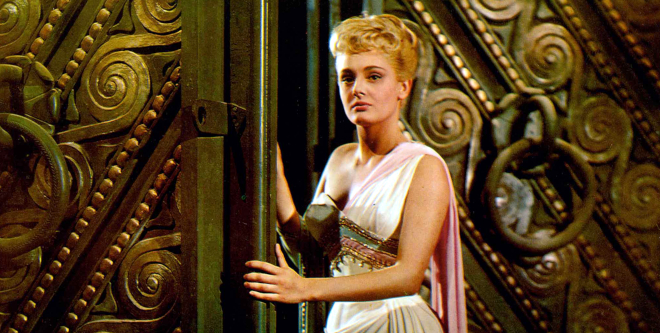
Rossana Podesta portrayed “Helen”. Besides, also being in 1954’s, “Ulysses”. The Libyan actress appeared in two American language films, 1956’s “Santiago” co-starring Alan Ladd and Lloyd Nolan. Along with, 1958’s, “Raw Wind in Eden” co-starring Jeff Chandler and Esther Williams, but it would be those 1960’s “Peplum (Italian Sword and Sandal)“ movies starring either Steve Reeves, or Gordon Scott, that she would be remembered for and director Robert Aldrich’s 1962, Biblical Epic, “The Last Days of Sodom and Gomorrah”, co-starring with Stewart Granger.
Jacques Sernas portrayed “Paris”. Lithuanian actor Sernas was acting in French, Austrian, and Italian films prior to this role. In 1960 he was in Italian director Fedrico Fellini’s classic “La Dolce Vita”. Along with several “Peplum” features. In 1963, Jacques Sernas, was part of the International cast in Samuel Bronstein’s, “55 Days at Peking” starring Charlton Heston, David Niven and Ava Gardner.

Sir Cedrick Hardwicke, standing below on the far right, portrayed “King Priam of Troy”. English actor Hardwicke had been acting since 1913. Among his films are director William Cameron Menzies, 1936, with a screenplay written by H.G. Wells, “Things to Come”, co-starring Raymond Massey and Sir Ralph Richardson , 1937”s, “King Solomon’s Mines”,co-starring with African American singer Paul Roebson, 1939’s “The Hunchback of Notre Dame”, co-starring with Charles Laughton and Maureen O’Hara, and Cecil B. DeMille’s, 1956 “The Ten Commandants”.

Stanley Baker portrayed “Achilles”. Welsh actor Baker had been acting since 1943. In 1953, the actor had portrayed “Mordred” in the Robert Taylor, Ava Gardner and Mel Ferrer, “The Knights of the Round Table”. Also in 1956, Baker appeared with Claire Bloom and Richard Burton in “Alexander the Great”. While in 1961, Stanley Baker was part of the team attempting to stop “The Guns of Navarone”, the picture starred Gregory Peck and David Niven. Stanley Baker was also in Robert Aldrich’s, “The Last Days of Sodom and Gomorrah”. The actor both produced and starred in the excellent 1964, true story “ZULU”, about the 1879 battle of “Rorkes Drift”.

Nial MacGnnis portrayed “Menelaus”, standing on left on the following still. Irish actor MacGinnis had been acting since 1935, but is best known to American audiences for being the “Green Knight” in 1953’s, “Knights of the Round Table”. Appearing in 1956’s ,“Alexander the Great”, the same years “Lust for Life”, starring Kirk Douglas and Anthony Quinn, and as “Dr. Karswell” in the British 1957 Horror movie “Night of the Demon” aka: “Curse of the Demon”. Nial MacGinnis also played “Zeus”, in Ray Harryhausen’s, 1963, “Jason and the Argonauts”.
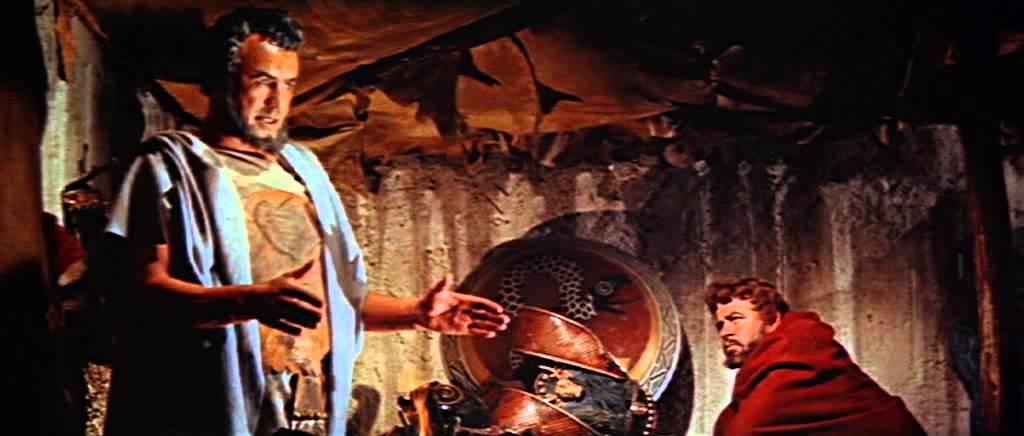
Robert Douglas portrayed “Agamemnon”. English actor Douglas has been acting since 1931. In 1948, Douglas co-starred with Errol Flynn and Viveca Lindfors, in “The Adventures of Don Juan”. In 1949, he co-starred with Gary Cooper, Patricia Neal and Raymond Massey, in the film version of Ayn Rand’s “The Fountainhead”, in 1950, Douglas co-starred with Burt Lancaster and Virginia Mayo in “The Flame and the Arrow”, and in 1952 the actor was in Sir Walter Scott’s, “Ivanhoe”, starring Robert Taylor, Elizabeth Taylor, Joan Fontaine and George Sanders.
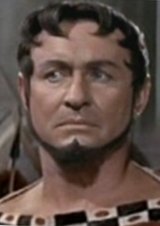
Torin Thatcher portrayed “Ulysses”. British India born Thatcher appeared in several film genres, that included the H.G. Wells, 1936, “The Man Who Worked Miracles”, the same years Alfred Hitchcock film “Sabotage”, and Hitchcock’s, 1942, “Saboteur”. Along with the 1942 war movie, “The Captive Heart”. However, to many. the actor is known for two 1952 pirate movies. The first starred Burt Lancaster, as the title character, “The Crimson Pirate”, and the second starred Robert Newton, as “Blackbeard the Pirate”. In 1953, Thatcher was in the Richard Burton and James Mason, “The Desert Rats”, and producer George Pal’s, “Houdini”, starring Tony Curtis and his then wife, Janet Leigh. Torin Thatcher again worked with the husband and wife team, in 1954’s, “The Black Shield of Falworth”, but fans of Ray Harryhausen, know him for the role of “Sokurah the Magician”, in 1958’s, “The 7th Voyage of Sinbad”, starring Kerwin Matthews and Kathryn Grant.

My article is “TORIN THATCHER: The Career of a Great British Character Actor” can be found at:
http://www.bewaretheblog.com/2017/07/torin-thatcher-career-of-great-british.html
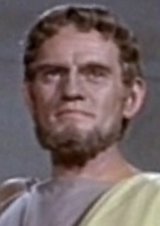
Harry Andrews portrayed “Hector”. English actor Andrews was seen in two other major productions besides this film in 1956. Once again, he was in the cast of “Alexander the Great”, and was also in John Huston’s production of Herman Melville’s, “Moby Dick”, starring Gregory Peck. Both Andrews and Baker are part of the cast of a hard hitting British war film that same year “Hell In Korea”. After this picture some of Harry Andrews’s more prominent roles were in 1959’s, “Solomon and Sheba”, starring Yul Bryner and Gina Lollobrigida, 1963’s “55 Days at Peking”, director Carol Reed’s, 1965 production of author Irving Stone’s “The Agony and the Ecstasy”, starring Charlton Heston and Rex Harrison, and 1967’s, “The Night of the Generals”, starring Omar Sharif and Peter O’Toole.
Janette Scott portrayed “Cassandra”. In 1951, 13 years- old English actress Scott, portrayed James Stewart’s daughter in “No Highway in the Sky”. The film also starred Marlene Dietrich and Glynis Johns. In 1959, the actress was billed fourth in the American Revolutionary War drama “The Devil’s Disciple”. The three actors billed before her, where Burt Lancaster, Kirk Douglas and Sir Lawrence Olivier. In 1965, Janette Scott was seen opposite Dana Andrews, and Kieron Moore, in the British Science Fiction movie “Crack in the World”. However, she is forever immortalized by composer, actor and playwright Richard O’Brien in his song “Science Fiction Double Feature”, for O’Brien’s, “Rocky Horror Picture Show”. The song refers to Janette Scott’s role in the 1963 film version of author John Wyndham’s “The Day of the Triffids”.
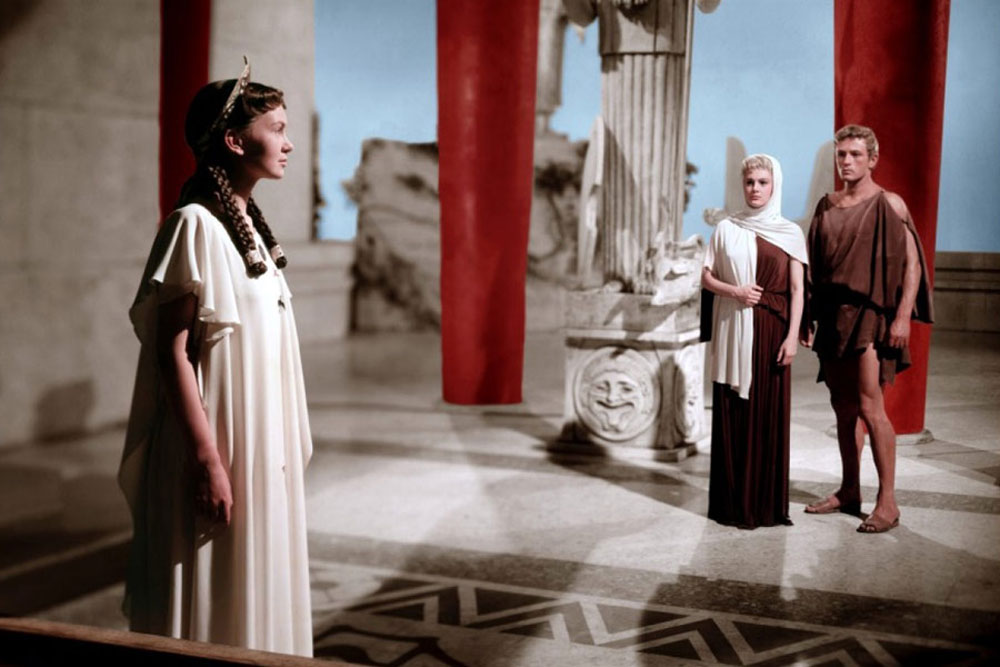
Left, Janette Scott, warning Rossana Podesta and Jacques Sernas about Greeks and Gifts.
Also in her 9th motion picture was a French actress named Brigitte Bardot as “Helen’s” handmaiden “Andraste”. Then later in 1956, Bardot’s then husband, French director Roger Vadim, would star her in a little film entitled “And God Created Women”, and his wife would become an “Immediate (?)” International Star. That story is part of my article “Rodger Vadim: Three Wives and Three Motion Pictures” to read at:
https://www.bewaretheblog.com/2016/08/rodger-vadim-three-wives-and-three.html
Below Brigette Bardot with Jacques Sernas.

An Overview of the Screenplay
The plot is simple, but concentrates on the love affair between “Helen” and “Paris” over Homer’s poetry. Which is done in typical Hollywood fashion.
“Paris” is sent to the Greek King “Menelaus” with an offer of peace from his father “King Priam”. He was chosen for being level headed and does not have the hot, warrior, temper of his older brother, “Hector”. However, before this can happen, his ship is wrecked in a storm, and “Paris” washes ashore in Greece near the town of Sparta. He is found by a woman he believes to be a slave, who is with another slave.

Over a small amount of time, the “Slave Woman” and “Paris” fall in love, but she warns him not to go to the Greek Kings. However, “Paris” is on a mission of peace and decides otherwise.

There he enters the royal court and in fisherman’s garb claims to be “Prince Paris” of Troy. A boxing match takes place to prove he is truly “Paris”, son “King Priam”, because the Prince is known as an excellent fighter. “Paris” does win the match and is apparently accepted by the Greek Kings. However, just before his arrival, they had been plotting war, but with “Priam’s” peace offering they seemed stopped.
Next the wife of “King Menelaus’”, “Queen Helen” enters, and “Paris” is introduced to the woman he has fallen in love with. “Menelaus” pretends friendship with the Trojan, but plans his death after discovering his love for “Helen”.
“Helen” warns “Paris”, and the two plan to leave Greece to find another country to live in, but “Paris” and “Helen” are almost caught by the Spartan soldiers of her husband. He decides to take her to safety in Troy, and by merchant ship, they arrive in the city. to cheers, no one knowing who she really is.
At the royal court of Troy, the woman “Paris” loves is greeted kindly for saving his life, but when she reveals her name.
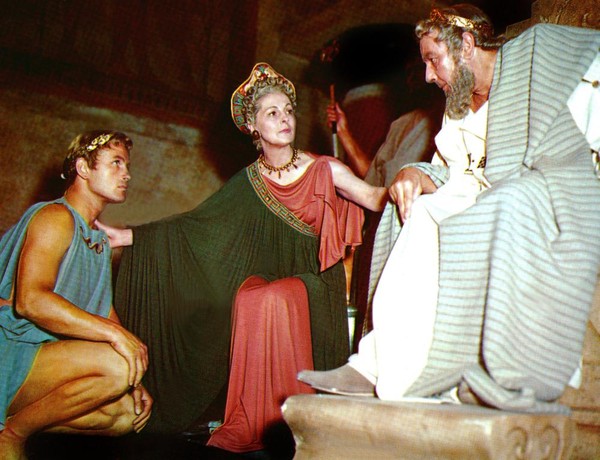
Above left to right, Jacques Sernas portraying “Paris”, Nora Swinburne portraying “Queen Hecuba of Troy “, and Sir Cedric Hardwicke portraying “King Priam”
The tone changes, knowing that “King Menelaus” will not let her remain untouched in Troy.
The war “King Priam” wanted to avoid, but the Greeks sought, has been set in motion.
However, “Helen” is accepted by the King and Queen. The older brother of “Paris”, “Hector”, has been looking for an accuse to fight the Greeks and show them the strength of Troy. So, he has his own reasons for accepting “Helen”.
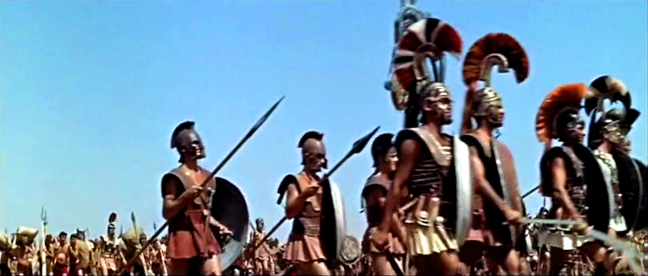
When the Greeks arrive ,“Cassandra”, the sister of “Paris” and “Hector”, echoes the first of two famous lines, slightly modified, stating that “Queen Helen” is:
THE FACE THAT LAUNCHED A THOUSAND SHIPS – “HELEN OF TROY”!
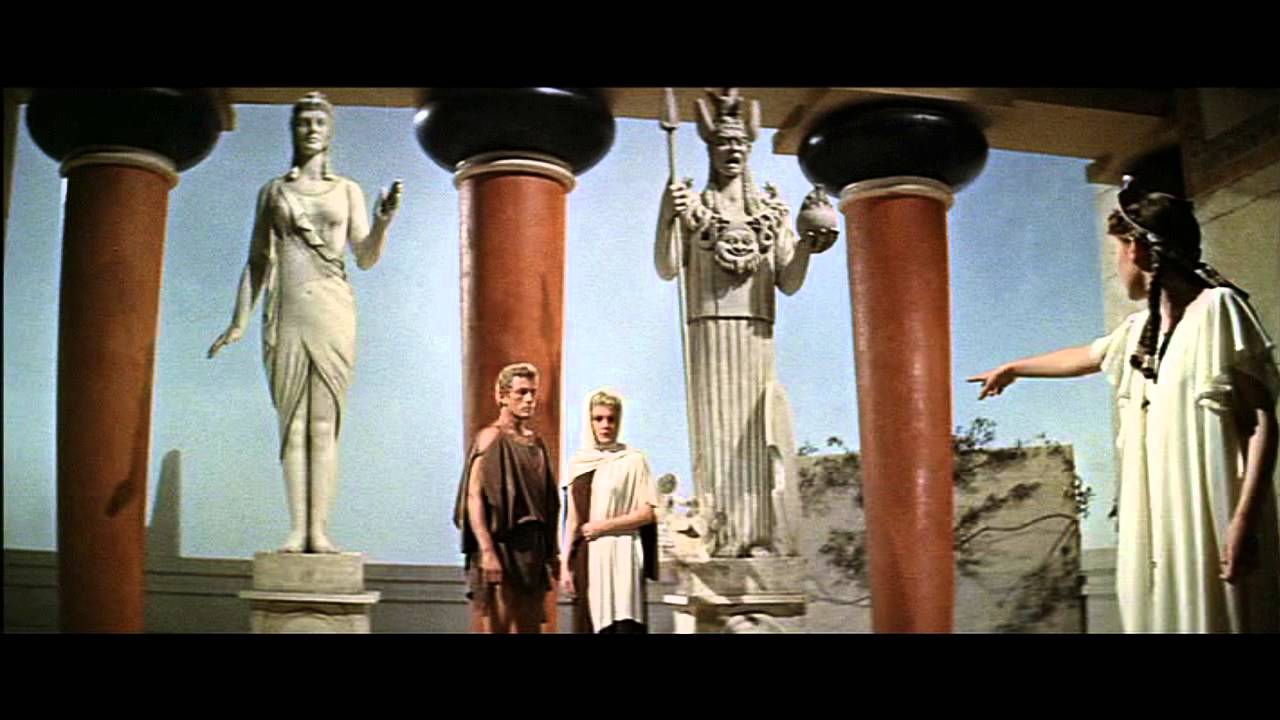
The problem for the Greeks is that Troy was a large walled city designed for sieges, and the Trojans were inside those walls, and the Greek’s outside.

As the siege continues for years, the people blame “Paris” and “Helen”. “Helen” makes a request to be taken to her husband as a means to end the bloodshed. “Hector” takes her, but turns back. After it is obvious, that the Greeks care nothing about “Helen”. They’re after the “Fabled Riches” of Troy. This changes the Court and Trojan people’s view of the two lovers.
“Achilles” challenges “Hector” to a duel, supposedly to end the war. “Hector’s” wife, “Andromache”, portrayed by Patricia Marmont, doesn’t want him to go, but she can not persuade him.


“Achilles” kills “Hector” and ties his body to his chariot and starts to drag it in the dirt in front of the walls of Troy. From the top of the wall, over the main gate, the royal family of Troy and “Helen” look on. “Paris” gets his bow, he places an arrow in it, asks the God’s to steady his aim, and fires. The arrow hits “Achilles” in the heel killing him. Per legend, the Greek’s one weak spot.
It is at this point that “Ulysses” reveals what he and his men have been doing in the forests, and his plan to take Troy. Morning arrives, and the Trojan’s awake to the Greek’s seemingly gone from their shores. Standing on the beach, where once was the Greek’s main encampment, is a large wooden “Trojan Horse”. The people want to bring it inside the cities gates as an offer from the Gods.
“Cassandra” now says the second famous line associated with the Trojan War:
BEWARE GREEKS BEARING GIFTS!
But the people do not listen and drag the giant horse within the city walls.
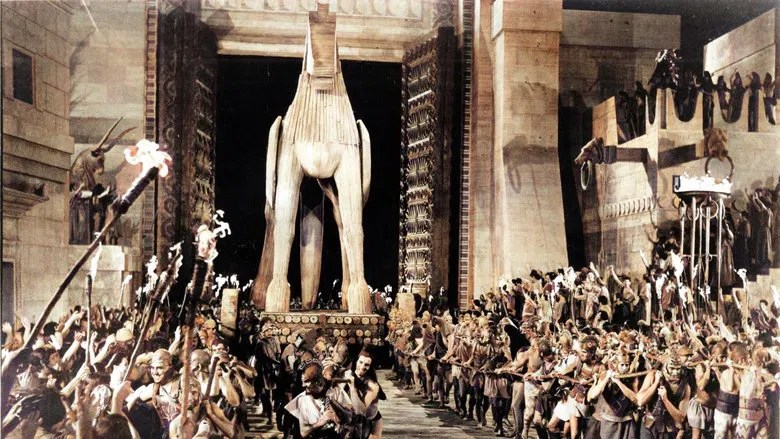
After the citizens of Troy have celebrated and drank themselves to sleep.
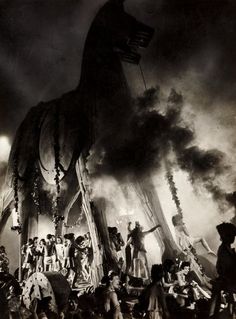
A hidden door in the bottom of the horse opens and “Ulysses” and his mean come out, open the city gates, and the destruction of Troy begins.
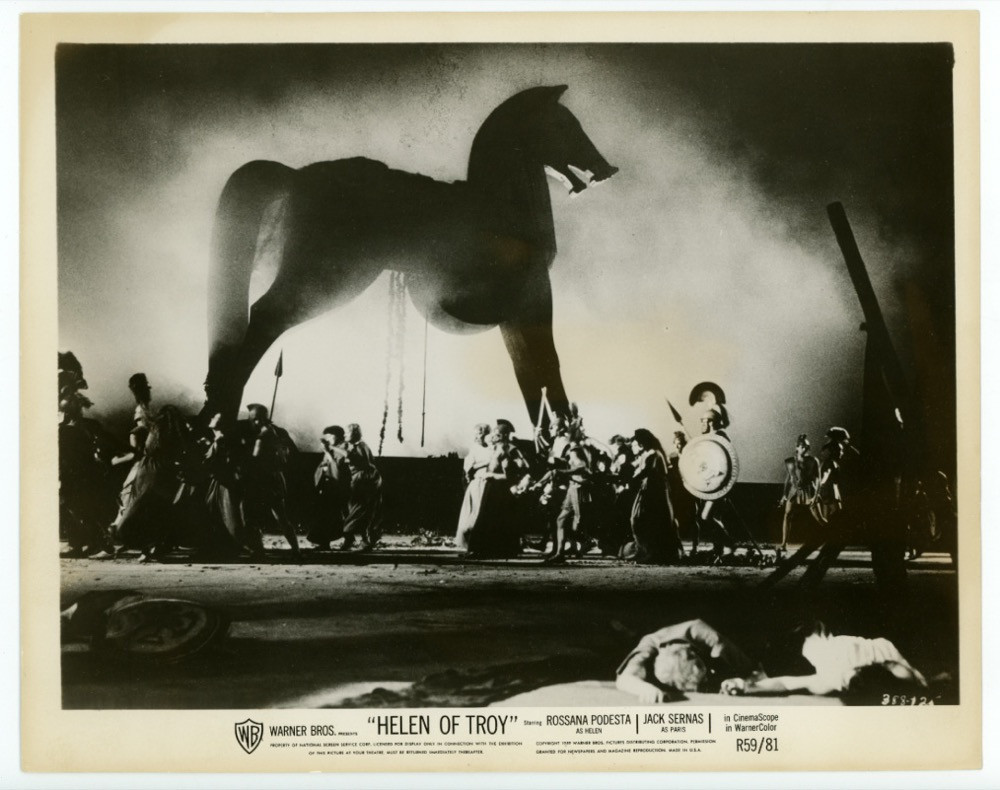
In the end everyone within the city, including “Paris”, and his family are slaughtered, and the city set fire.
The film ends with “Helen” on “Menelaus’s” ship, looking back toward what was once Troy.
As of this writing, the following link will take my reader to Robert Wise’s, “HELEN OF TROY”. https://www.dailymotion.com/video/x95whr0
The “Trojan War”, as described by the Greek poet Homer, in his epic poem the “ILIAD”. Mainly takes place at, and around, a Trojan Fortress City, located in what is now Turkey. That city controlled all marine traffic along the western entrance to what the ancient Greeks called “Ἑλλήσποντος (Hellēspontos): the Sea of Helle”, later known as the “Straits of the Dardanelles”.
“Helle”, in Greek mythology was the “Daughter of Athamas”. She was flying on a Golden Ram with her brother “Phrixus”, and fell of the ram into the water. Thereby, giving her name to the strait, the “Hellesport”. That ram later died, and its “Golden Fleece”, became the one “Jason and the Argonauts” searched for.
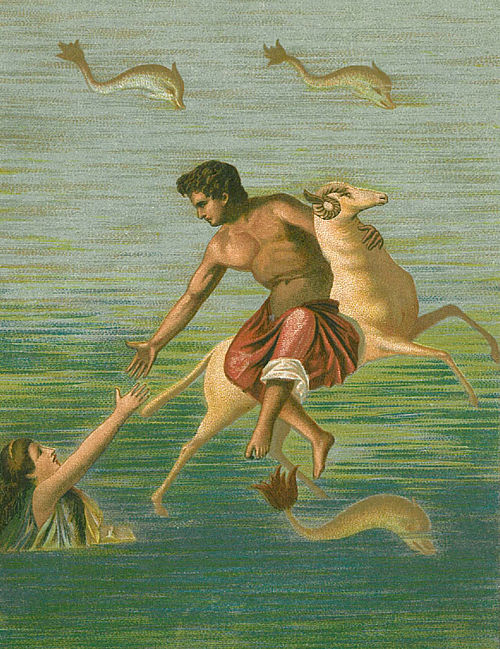
With mythology, and “Helen of Troy” is Greek mythology. Questions about the sources always seem to arise. In the case of Homer’s poem, we’re talking about events from at least, 3,150-years ago.
The main question his poem raises is:
DID THE CITY OF TROY EXIST?
He was a German business man who believed that all the places mentioned by Homer were real. Heinrich Schliemann was also an archeologist, and he aimed to find TROY, and prove its existence.
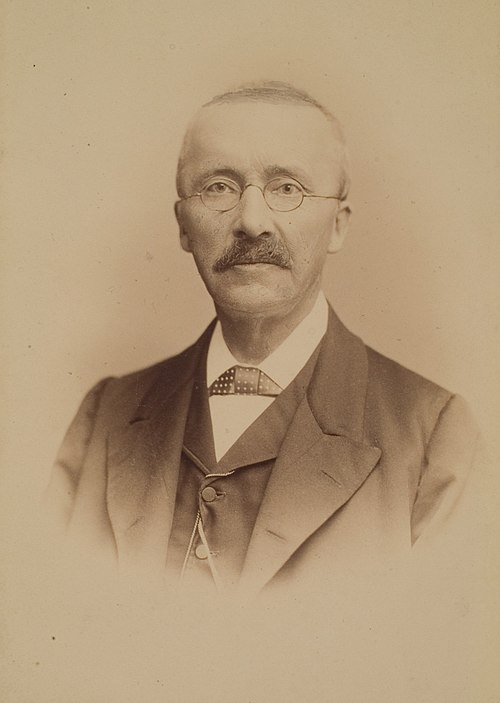
Working with Schliemann, was an English consular official in the Eastern Mediterranean region, and amateur archeologist, named Frank Calvert.
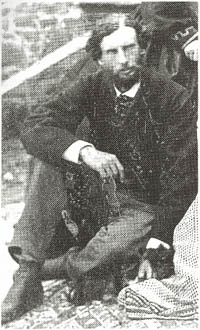
The two men would follow the stories and arrive at a spot that to them fit the description of the cities location in Homer’s Greek Mythology. There, they would excavate “TROY”, and discover that the city was made up of different layers. Each layer was a seemingly different version of “Troy”. Which included the reuse of walls, and other items from the previously destroyed version, or earlier versions of “Troy”.
What finally became “Troy One”, had been founded around 3,000 B. C. It is noted for having the most elaborate fortifications in “Achaea (Achaia, or Akhaia)”, the northern most portion of the Peloponnese peninsula. Which goes to Homer‘s poem, and other Ancient Greek writings. That a foreign invader could not just enter the city, because of both the natural and manmade fortifications. “Troy One“, lasted until 2,550 B. C.
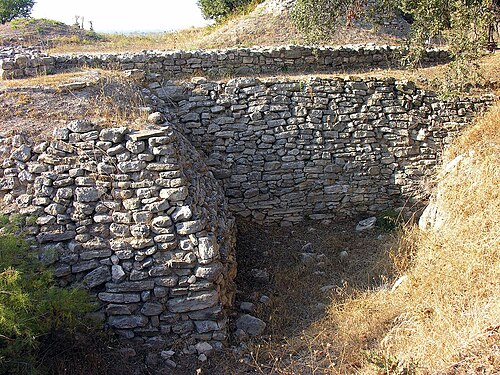
“Troy Two” 2,550 B. C. to 2,300 B. C., showed no sign of any “Cultural Breaks” between Troy One and Troy Two.
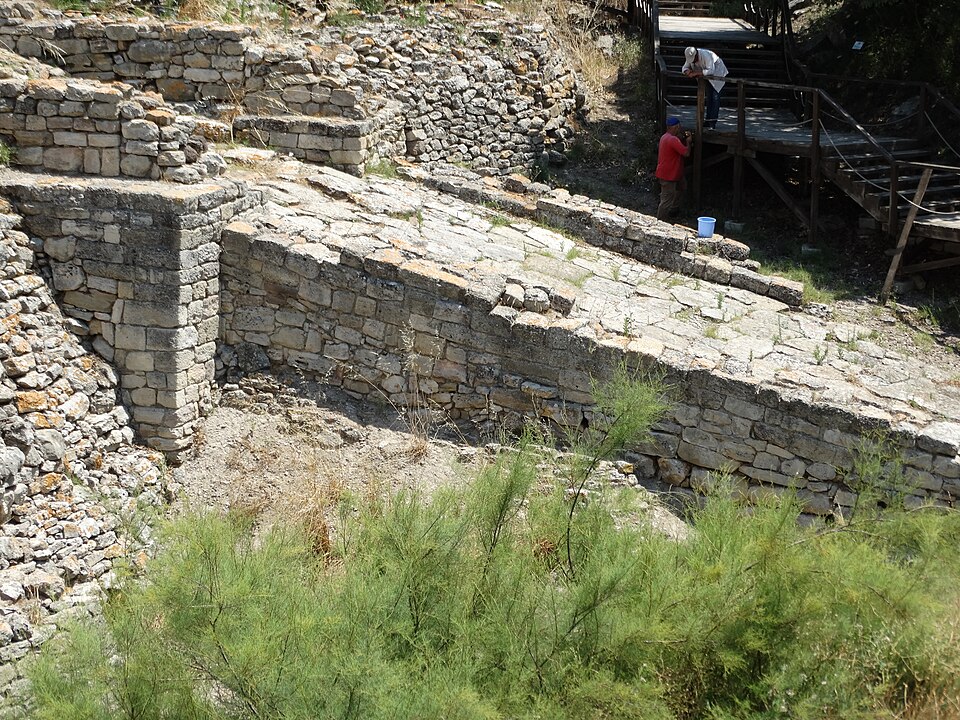
“Troy Three” through “Troy Five”, 2,300 B.C. to 1,750 B. C. showed major changes occurring in what was called “Troy Four”, 2,200 B. C. to 2,000 B. C., during the Middle Bronze Age.
“Troy Six” from 1750 B. C. to 1300 B.C. was a Late Bronze Age city.
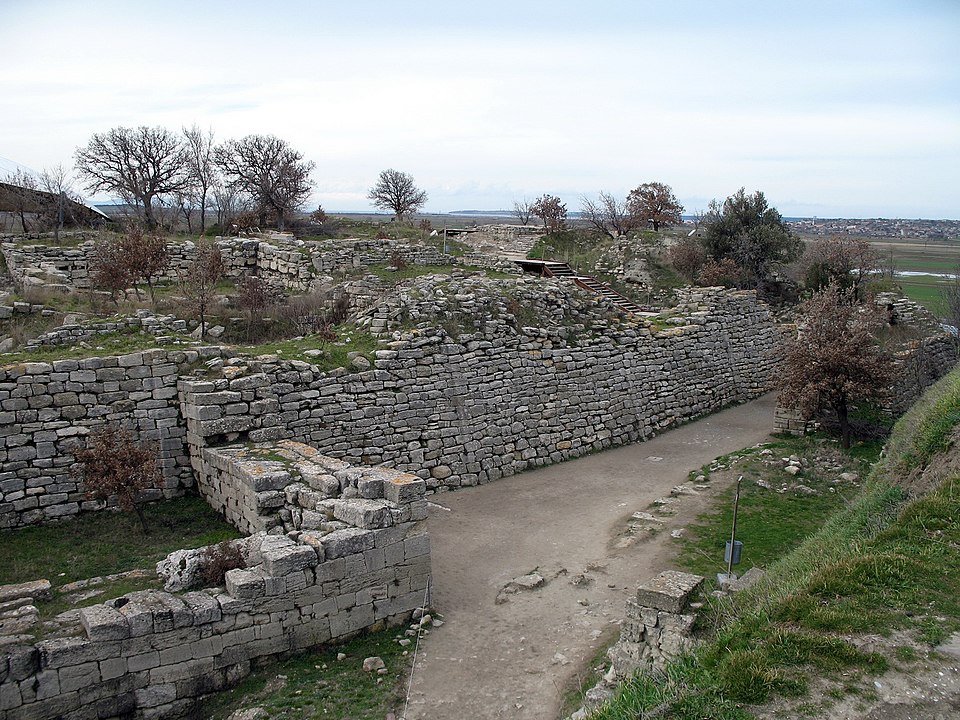
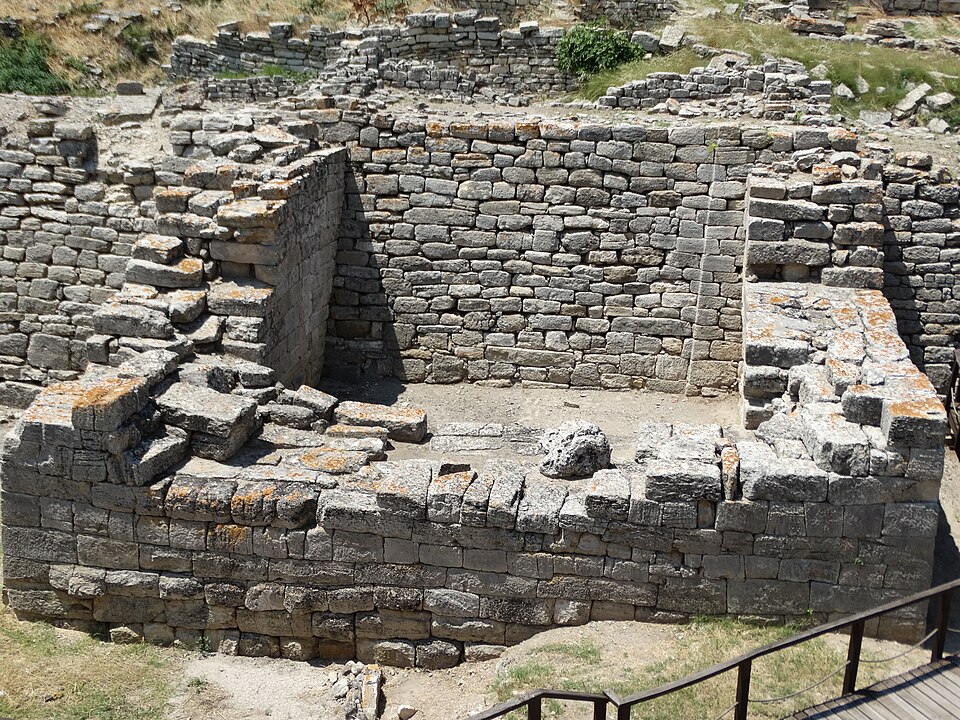
“Troy Seven” 1,300 B.C. to 950 B. C. was also a Late Bronze Age city.
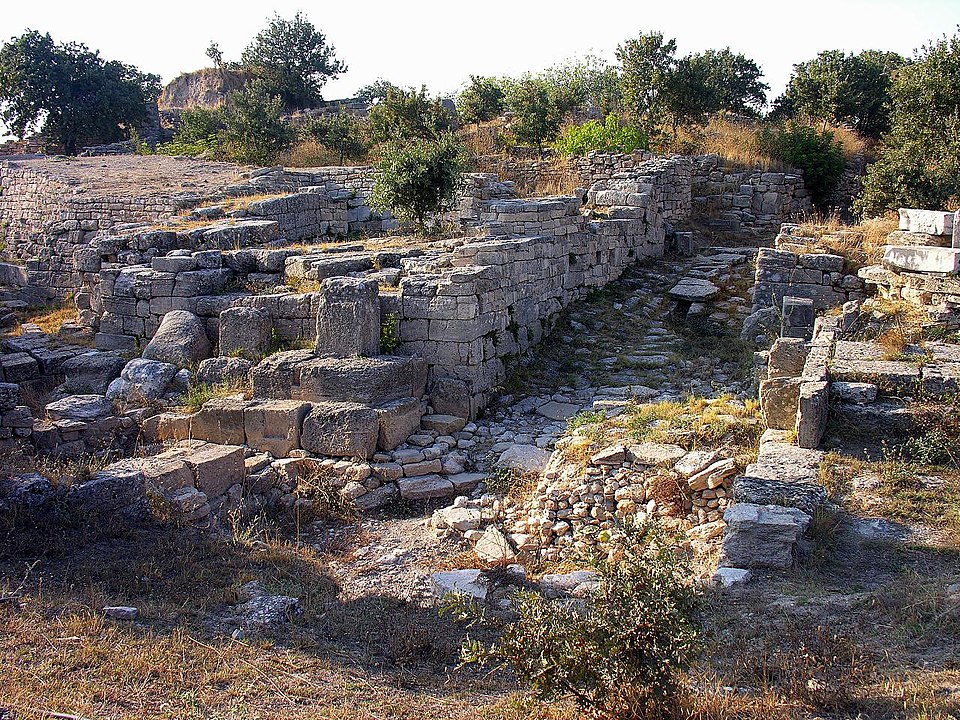
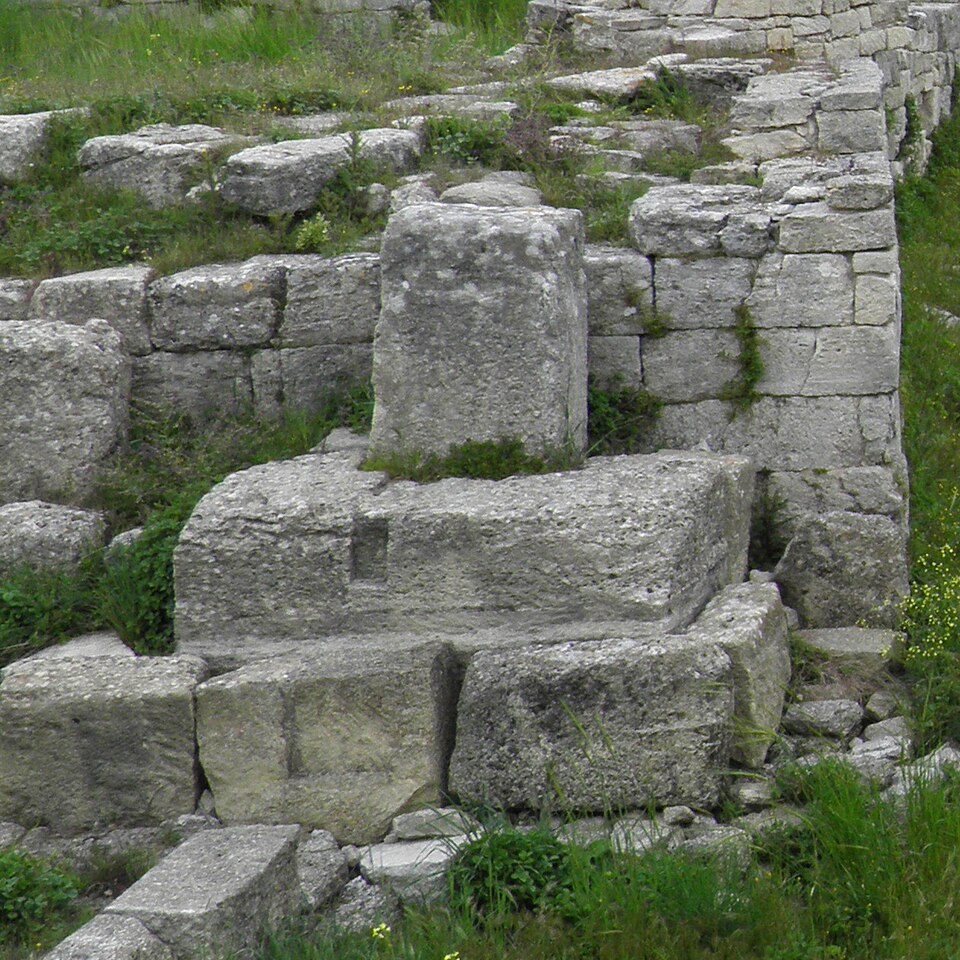
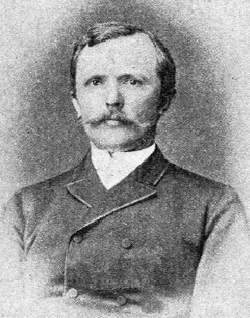
“Troy Seven”, along with “Troy Eight”, 950 B. C. to 85 B. C., are considered by Swiss Assyriologist (the archeological, anthropological, historical, linguistic study of cultures) Emil Orgetorix Gustav Forrer, as the city referred to in Hittite records as either “Wilusa”, or “Tariusa”. “Tariusa”, based upon Forrer’s studies in 1924, was a plausible correspondent to the Greek city name “TROIA“, or in English, “TROY”.
The excavations of the site continued into “Troy Nine”, 85 B. C. to 500 A. D. which had become a Roman settlement,
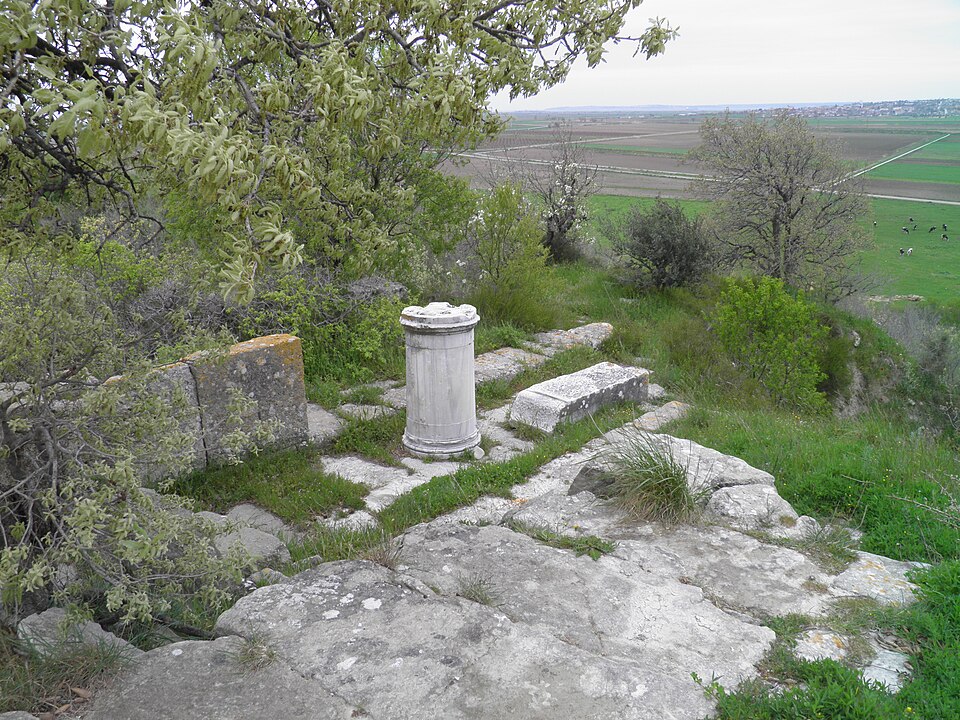
There is an archeological mound (tell), called “HISARLIK”, seen below, located near the Dardanelles, in Turkey. The mound stands just over 98-feet in height. It has long been believed to be the remains of the Roman and Hellenistic town of “ILION“, and stands on the site of TROY.
https://www.britannica.com/place/Hisarlik
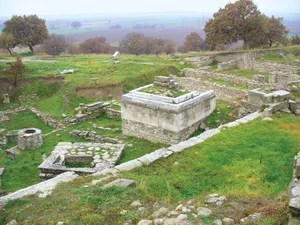
Now that I have established the reality of “Troy“, let me return to its poetic fall. That fall, at the end of the 10-year siege/war that proceeded it, as explained by Homer. Would have taken place, if at all, during “Troy Eight”.
Even if “Troy” existed, even if there was some form of “Trojan War”. Homer’s mythology of the love between “Paris, Prince of Troy”, and “Queen Helen, of Sparta”, is only one version of events, that contain the same, Greek mythical characters.
The “Athenian Historian and General, Thucydides (Θουκυδίδης)”, has a different take on the events. His “History of the Peloponnesian War” (431 B. C. to 404 B. C.)”, while incomplete, does deal with “Homer’s Trojan War”. General Thucydides’s account is of a war between the “Peloponnesian League (led by the King of Sparta)”, actually dual kings working together, “Archidamus II”, and “Agis II”, not “King Menelaus”. Being at war with the “Delian League (led by Athens)”, and actually headed by the Athenian Statesman, Pericles, not the mythical, “King Priam of Troy”. The “Delian League” was founded in 478 B. C. to continue fighting the Persian Empire (Modern Iran).
As to Homer’s account of the “Trojan War”, reading the “ILIAD”, Thucydides considers the idea of a “1,000 Ships” sent to fight Troy an exaggeration. He uses Homer’s own “Catalogue of Ships” in the poem, against him. Many different scholars have come up with different totals of the ships and men, and Homer himself, in his epic poem. Does change the number of ships and men, when he speaks to the individual countries involved that made up “King Menelaus’s” army.
German architect and archeologist, Wilhelm Dörpfeld, noted that Homer changed facts about “Odysseus”, from what he wrote in the “ILIDAD”, to what he wrote in the “ODYSSEY (Ὀδύσσεια), for overall story continuity between the two long poems. The second opening during the destruction of Troy.
Homer wasn’t through with the mythology of the “Trojan War“, and he wrote his second epic poem, the “ODYSSEY”. Telling his reader’s part of the mythic legend of the “King of Ithaca”.
ULISSE was released October 6, 1954 in Italy.
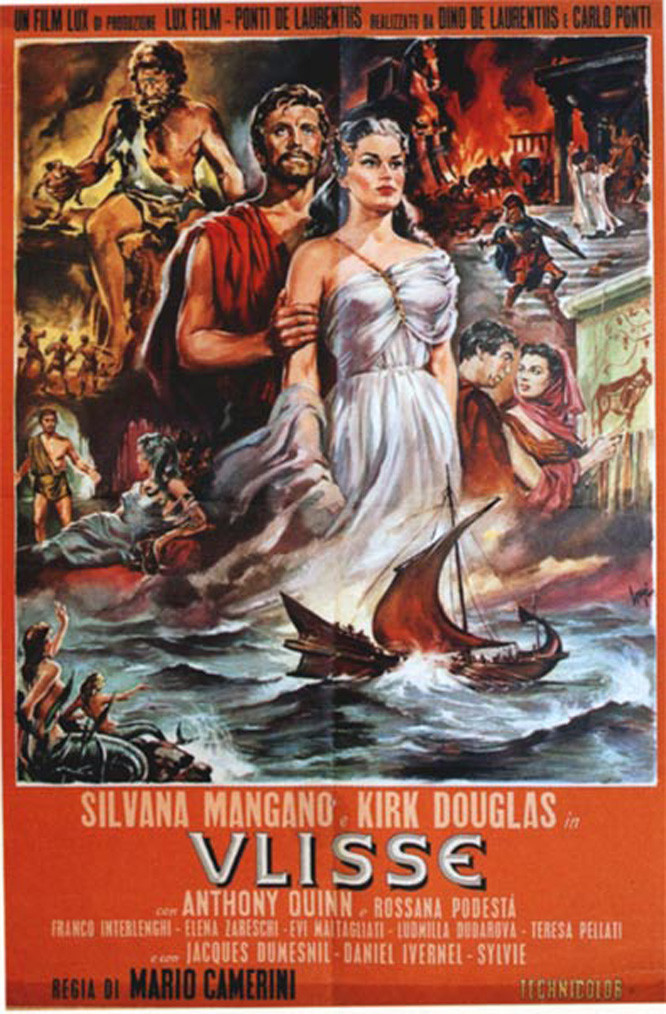
The motion picture would come to the United States as “Ulysses”, on August 17, 1955.
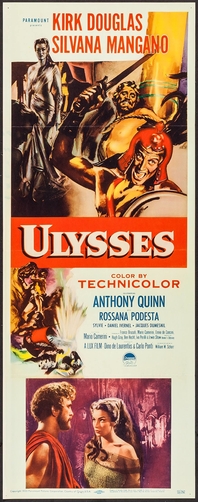
Note the reversal of the two leading actors between Italy and the United States on the above posters. This was an Italian, French, and United States co-production.
The motion picture was Produced, by soon to be major names in Worldwide cinema, Dino De Laurentiis and Carlo Ponti.
The adaptation of Homer’s “The Odyssey”, was by American playwright, Ben Hecht. Hecht’s screenplays included, 1934’s ,”Viva Villa”, that starred Wallace Beery and Fay Wray, the 1939 production of Emily Bronte’s, “Wuthering Heights”, directed by William Wyler, the Tyrone Power and Maureen O’Hara, 1942, pirate story, “The Black Swan”, and Alfred Hitchcock’s, 1946, “Notorious”, starring Cary Grant and Ingrid Bergman.
Hecht’s adaption was turned into an initial screenplay written by Franco Brusati. Who had written the 1968 screenplay, for director Franco Zefferilli’s adaptation of William Shakespeare’s, “Romeo and Juliet”. While in 1974, he wrote the screenplay for, and directed “Bread and Chocolate”. Which was nominated by the “Academy of Motion Picture Arts and Sciences” for “Best Foreign Language Film”.
There were several other contributing screenplay writers as the filming progressed. These were, Ennio De Concini, Hugh Gray, Ivo Perilli and American author, Irwin Shaw. Whose novels included, “The Young Lions” and “Rich Man, Poor Man”.
Mario Camerini would direct the motion picture and co-write the screenplay. He started directing in 1923, in 1926, Camerini had directed “Maciste contro lo sceicco (Maciste Against the Shiek)”. The 25th silent film in a series of 28, about a “Hercules” clone. During the “Peplum (Sword and Sandal)” craze of the 1960’s, the character returned for another 25-films, but not directed by Mario Camerini. He directed his last and 53rd film in 1972. As a screenplay writer, he would work on 46 feature films between 1920 and 1972.
The Main Cast:
Kirk Douglas portrayed “Ulisse (Ulysses)”. Douglas had just been seen in Walt Disney’s version of Jules Verne’s, “20,000 Leagues Under the Sea”, and would be seen, next, in 1955’s, “The Racers”. My article is “Kirk Douglas: Twelve 1947 – 1964” found at:
https://www.bewaretheblog.com/2025/09/kirk-douglas-twelve-1947-1964.html

Silvana Mangano portrayed two different roles. She had raised herself from poverty, to become one of the major dramatic Italian actresses of the 1950’s and 1960’s. She married producer Dino De Laurentiis, in 1949. They would divorce in 1988.
Below is Silvana Mangano portraying “Penelope, the wife of Ulysses”.
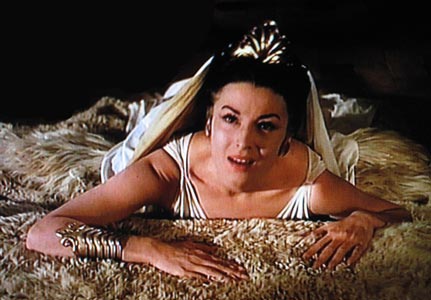
Below, Silvana Mangano portraying “Circe, the powerful sorceress and a minor goddess”.

Antony Quinn portrayed “Antinoos (Antinous)”. This was the second of three feature films Quinn made, at this time, in Italy. He had already been seen, Internationally, in director Federico Fellini’s, 1954, “La Strada”. Quinn’s next feature film was 1954’s, “Attila, il flagelladi Dio (Attila the Scourge of God)”, co-starring an unknown Sophia Loren, and was produced by De Laurentiis and Carlo Ponti.

Rossana Podesta portrayed “Nausicaa”. Podesta was five films away from the title role of 1956’s, “Helen of Troy”, which gave her International Stardom

Ben Hecht’s Attempted to Cover Entire Poem of “The Odyssey”.
However, the English language version is 17-minutes shorter, and was shortened in several sequences with the removal of lines of dialogue. Examples are when “Polyphemus” curses “Ulysses”, and calls for his destruction. The “Underworld” sequence had some of its horror removed by American censors. Hecht did cut the nymph, “Calypso”, from his adaption. He combined parts of her with “Circe”, but the overall supposed time spent on “Circe’s Island” remained the same as in Homer’s poem.
The movie opens in the palace of the “King of Ithaca, Ulysses“, who has been missing for ten years, since the sacking of the City of Troy. Bringing the total time he had been away to 20-years and his son now a grown man.
“Ulysses’s” wife, “Queen Penelope”, has many suitors for his crown, including “Antinous”. In point of fact, these suitors are all freeloaders, and “Penelope” has been putting them off with one excuse after another. Time is running out for her, and she hopes that her husband is still alive and will return home.
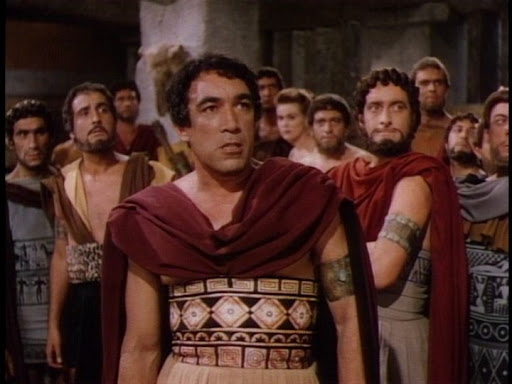
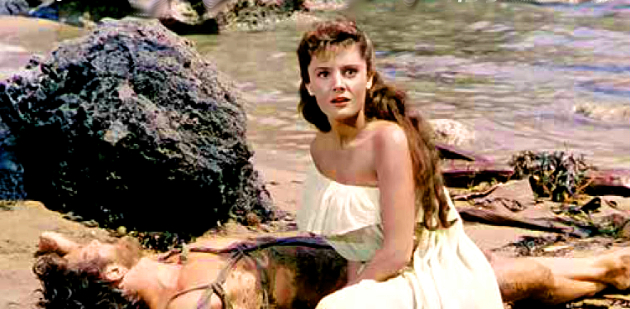
On the nearby island of Phaeacia, and 10-years after the “Fall of Troy”, a man washes ashore without any memory of who he is, and is found by “Princess Nausicaa”.
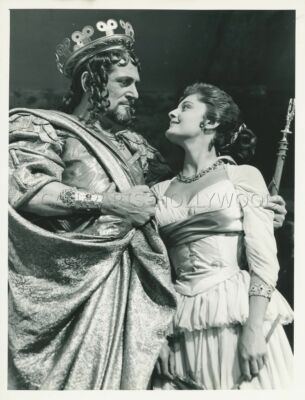
The stranger is taken to “Nausicca’s parents”, “King Alcinous”, played by French actor Jacques Dumesnil, and “Queen Arete”, played by Turkish actress Ludmilla Dudarova.
As time passes, the stranger still has no memory of his life before Phaeacia, but both, “Nausicca”, and the stranger, are starting to fall in love. This time is implied in both the screenplay and Homer’s “Odyssey” that the time period is only three-days. Even though it seems to be much longer for them to have met, and start to fall in love.
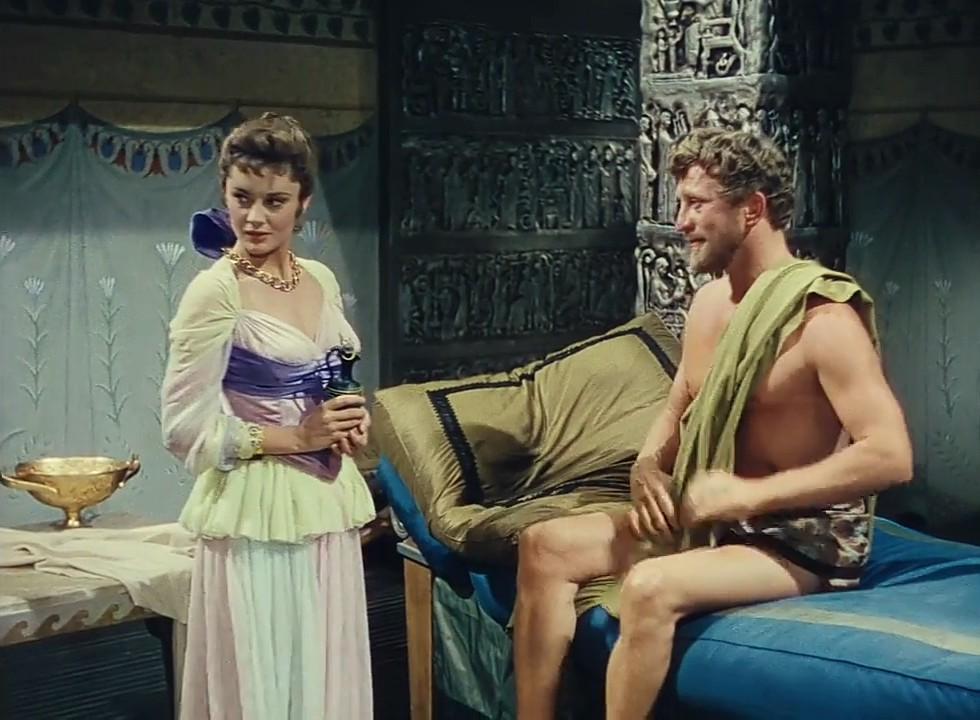

On the third morning, the stranger goes alone, to the edge of the Mediterranean Sea and looks at the waves coming ashore. As the stranger watches, he starts to remember that he is “Ulysses, King of Ithaca”, and the events leading him to Phaeacia.
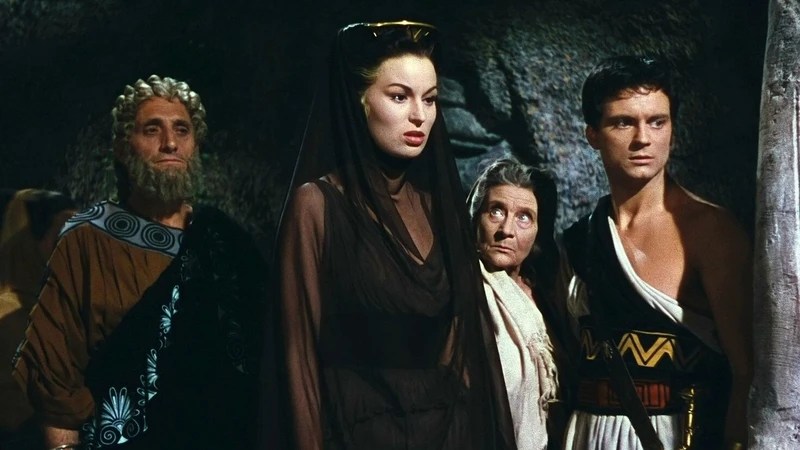
The movie now switches to the sacking and burning of Troy. “Ulysses” is confronted by “Cassandra”, portrayed by Argentine actress, Elena Zareschi. This takes place within the “Temple of Neptune”, because “Cassandra” is“Neptune’s Priestess”. There, “Cassandra” places a curse upon the “King of Ithaca”.
As his ship sets sail from Troy, for Ithaca. A strange storm comes up, and blows the ship off course.

After the storm ends, an island is seen, and “Ulysses” and his crew go ashore to find food. There, they will encounter the “Giant Cyclops, Polyphemus”, portrayed by Italian actor, Umberto Silvestri. “Polyphemus” is the “Son of Neptune”, and the direct connection to the curse placed upon “Ulysses” by “Cassandra”.

“Ulysses” and his crew find a cave and upon entering, they discover food, but more important to the crew, a large vat of wine. The crew becomes very drunk as “Polyphemus” enters and blocks the entrance with a large boulder. The Cyclops starts to eat the crew. “Ulysses” is able to get a large wooden stake into a fire pit, and with some of his remaining crew. They ram the hot tip of the stake into the eye of the cyclops.


“Polyphemus” is next tricked into thinking that somehow the crew has escaped his cave. He removes the boulder, and the remaining crew do get out. Following “Ulysses” to the cliffs above the bay his ship is anchored in, “Polyphemus” falls to his death.
Back at sea, the ship approaches the rocks of the sirens, who drive seamen crazy with their song. “Ulysses” tells his crew to lash him to the mast pole. So that he may hear the call of the sirens, but orders his crew to put cloth, covered in wax, in their ears to avoid going mad.

After passing the rocks of the sirens, the ship is pulled to another island. “Ulysses” and his crew go ashore to replenish their supplies once again, and he leaves them to explore the island.

When “Ulysses” returns, he finds, first, his crew has been turned into pigs and, second, “Circe”.

The “Sorceress Circe”, makes “Ulysses” believe he is in love with her. Time passes, and “Ulysses” stays under her spell for six months, but he finally realizes what she’s been doing to him. “Circe” now calls upon the dead crew of “Ulysses”, to return from the Underworld, to convince him to stay with her. However, by having called back his dead, “Circe”, has also made a mistake. Joining the crew of phantoms is “Anticlea”, the mother of “Ulysses”, portrayed by Italian stage actress Evi Maltagliati, “Anticlea” gets her son to remember who he is, an helps her escape from “Circe’s” island. “Ulysses” builds a raft, and he sets out to sea, and comes to Phaeacia.
The Stranger, now reveals that he is really, “Ulysses, King of Ithaca”, and asks for help to return home to his wife “Penelope”. “Nausicaa” is heartbroken, but as a royal princess, understands. “Ulysses”, is next told about the suitors for his wife’s hand.
So, when he returns, he hides his identity, as a beggar, to see what is happening. His dog still remembers who he is, and this reveals his true identity to his son “Telemachus”, portrayed by Franco Interlenghi. The two come up with a plan, and “Telemachus” brings out “Ulysses’s bow”, and without revealing that his father is in the palace, will suggest to his mother their plan.
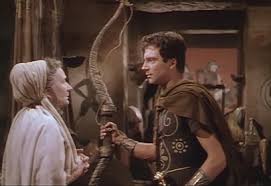
“Penelope”, now places her son’s plan into effect. She shows her suitors “The Bow of Ulysses”, and tells the group, that whomever can string and shoot the bow will be her husband.
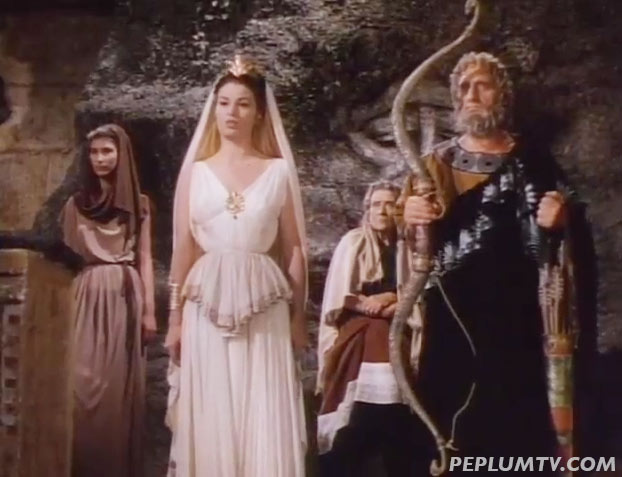
This sounds simple, but, like “Ulysses”, the arrow must be shot through twelve axe heads with holes in them.
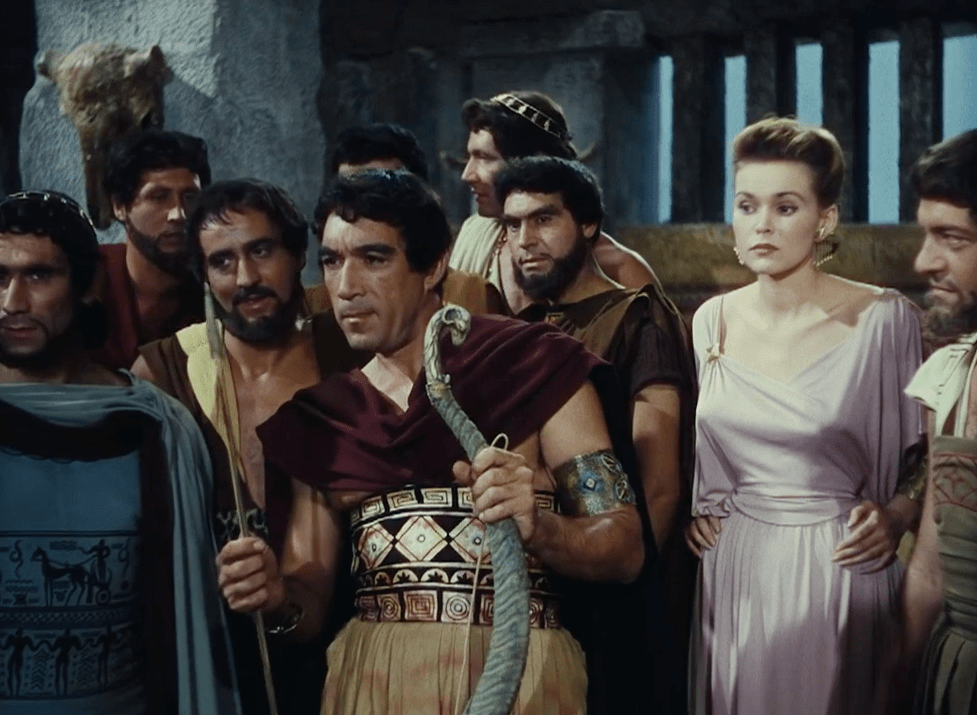
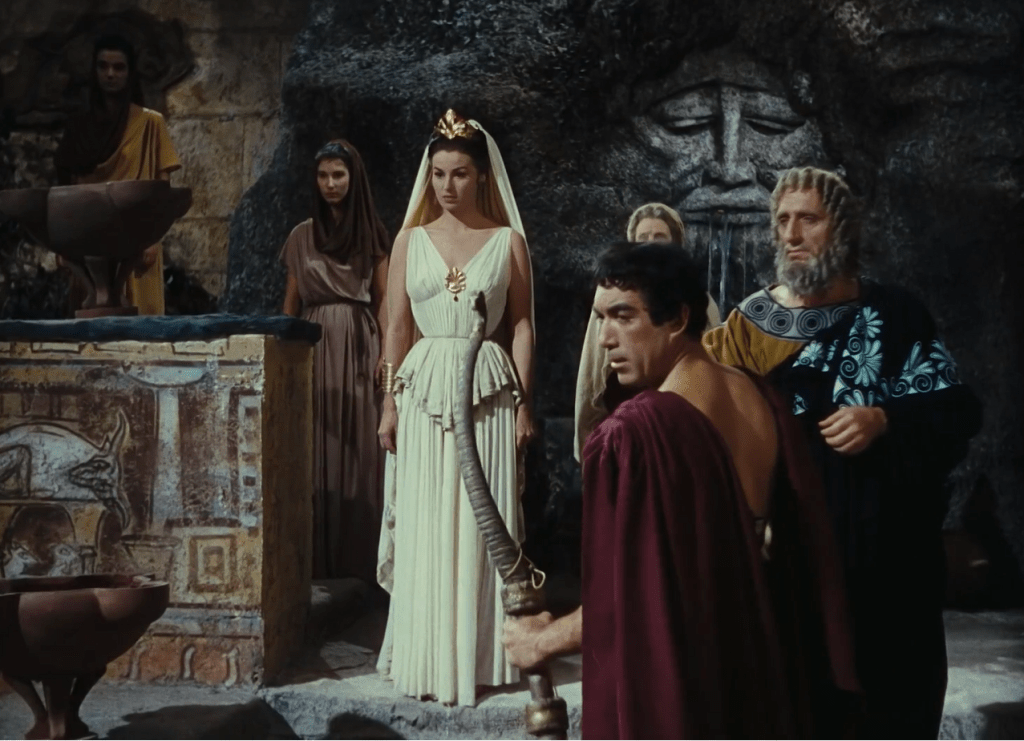
All of “Penelope’s’ suitor’s fail and a beggar for food, approaches, and asks “Penelope” for a chance to string the bow. The suitors laugh at him, but “Penelope” lets the beggar try.
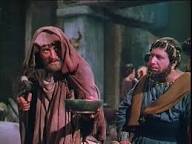


With no problem at all, the beggar strings the bow, and shoots an arrow through the axe heads.

One of the suitors calls out that the beggar’s “Ulysses”. “Ulysses” turns and starts killing each of his wife’s suitors with the help of his son. In the end husband and wife are reunited.
Like “THE ILIAD”, the characters of “Homer’s” “ODYSSEY” are all from Greek Mythology. Scholars are not sure if the “Island of Ithaca”, mentioned by Homer, is actually the modern “Island of Ithaca”. Just as there is no historical record of a real “King Odysseus”, on the modern “Island of Ithaca”.
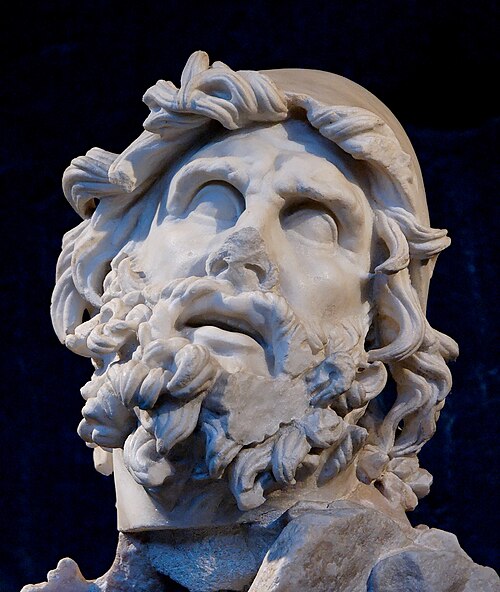
Above, the head of “Odysseus” from a Roman period, date and artist unknown.
To complete my “Trojan War Saga”. I move from Homer to Virgil’s, “The Aeneid” and a movie based upon it.
His actual name was Publius Vergilius Maro, but known simply as “Virgil”. While Homer was a Greek Poet, Virgil was a Roman Poet, and wrote “The Aeneid”, sometime between 29 B. C. and 19 B. C.
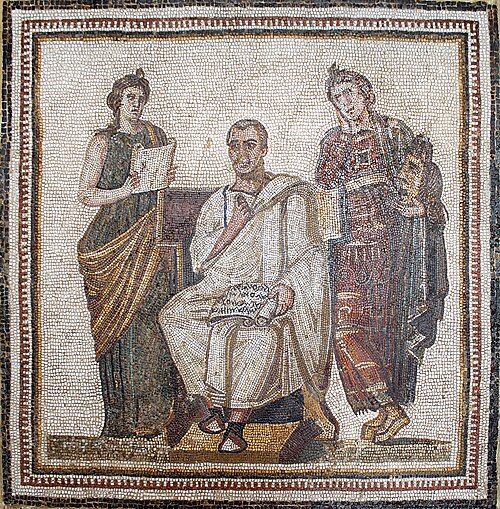
The motion picture was:
LA LEGGENDA DI ENEA (THE LEGEND OF AENEAS) released of November 28, 1962
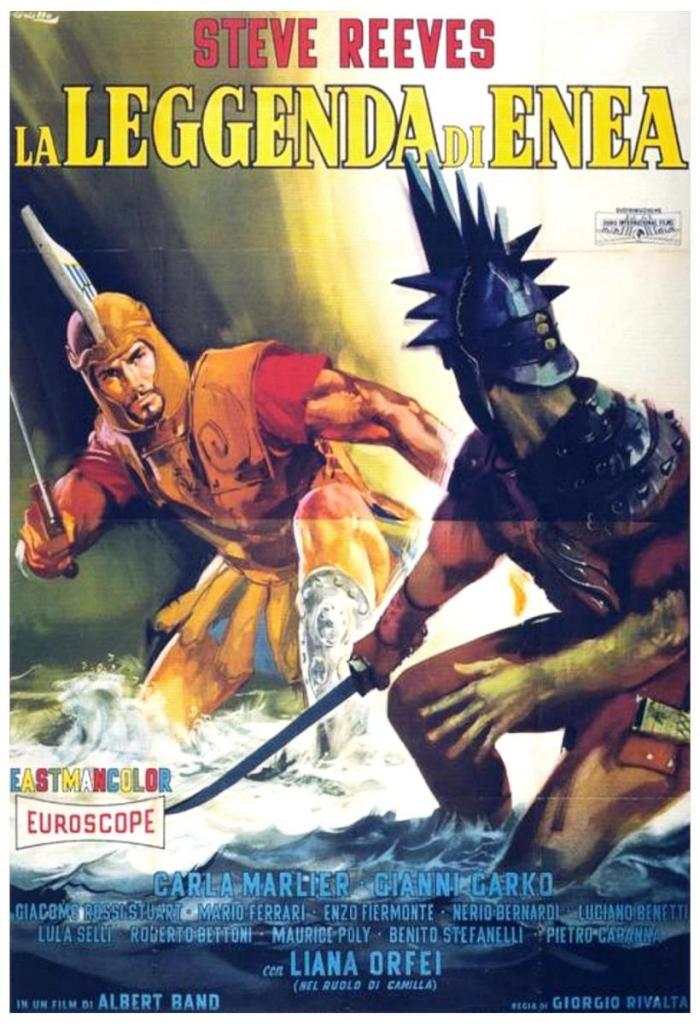
In the United States, that picture as THE AVENGER, was released in June 1964
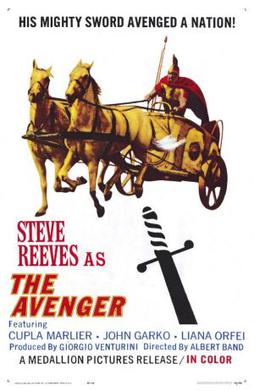
Steve Reeves first portrayed Greek mythology hero, “Aeneas”, in 1961’s, “La guerra di Troia (The Trojan War)”, in the United States as, “The Trojan Horse”, in July 1962. My short article is “STEVE REEVES: A Look At His Films” to read at:
https://www.bewaretheblog.com/2015/01/steve-reevesa-look-at-his-films.html
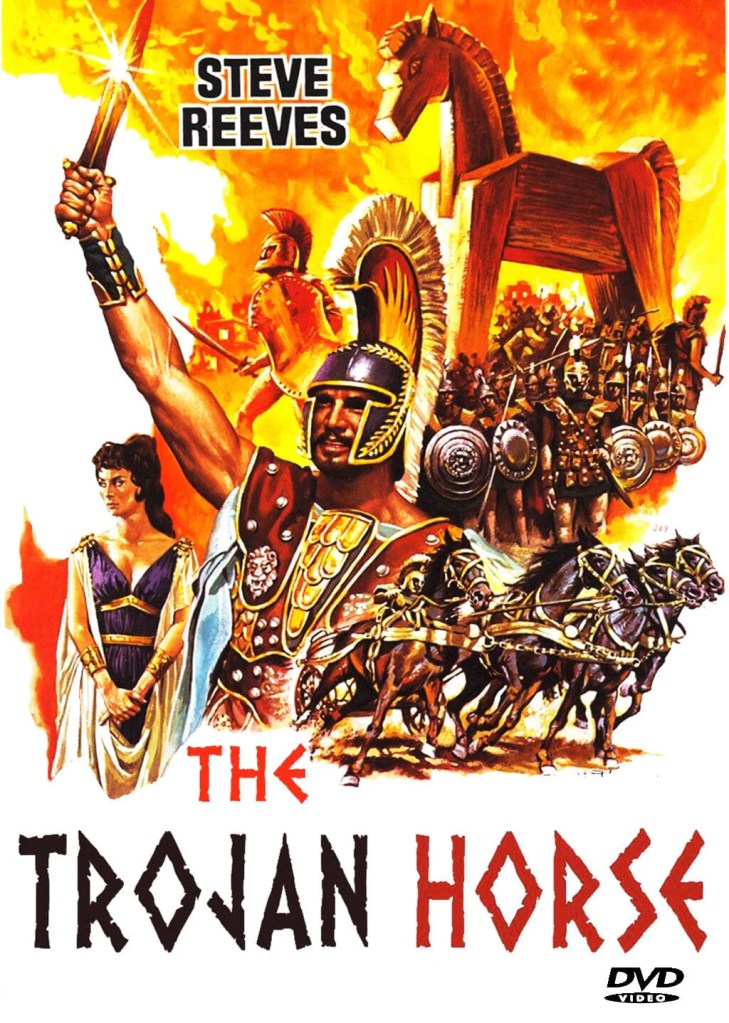
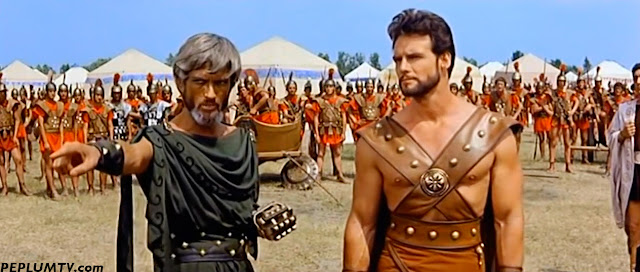
Pick your title, 1961’s, “The Trojan War”, or 1962’s, “The Trojan Horse”, above left is John Drew Barrymore portraying the cunning and brilliant Greek strategist, “Ulysses”. The only Greek, who after 10-years of war, when the story takes place, realizes there is no way to win from the outside. “Troy” must be taken, somehow, from the inside and he comes up with the “Trojan Horse”.
While, Steve Reeves portrayed “Trojan Aeneas”, as a tragic defender of “Troy”, and believes in “Cassandra’s”, warning to “Beware of Greeks Bearing Gifts”. When the Greek army has seemingly left. standing on the shore is a Giant Wooden Horse of Troy.
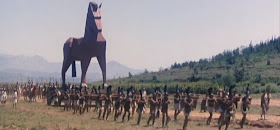
One could say that the purpose of the Italian 1961, “The Trojan War”, is to get to the stories end. Thereby, setting up the sequel, and having heroic “Aeneas” defending Troy to its end and leading 600 survivors away to safety.
However, that screenplay differs slightly from Virgil’s “Aeneas“. “Creusa”, the wife of “Aeneas”, portrayed by Juliette Mayneil, does not die within “Troy”, but instead, she leaves as one of the 600 survivors, pregnant, and according to the screenplay, a “Princess of Troy”. That change from Virgil, was to have “Helen of Troy” jealous of “Creusa”, over her beauty, and husband.
The Sequel:
The 1962, “La Leggends di Enea”, now switches back to Virgil. “Creusa”, the wife of “Aeneas”, had disappeared in the panic within “Troy”. While the 600 were cautiously leaving, and was killed. “Aeneas” kept moving carrying his elderly father and holding the hand of his young son.
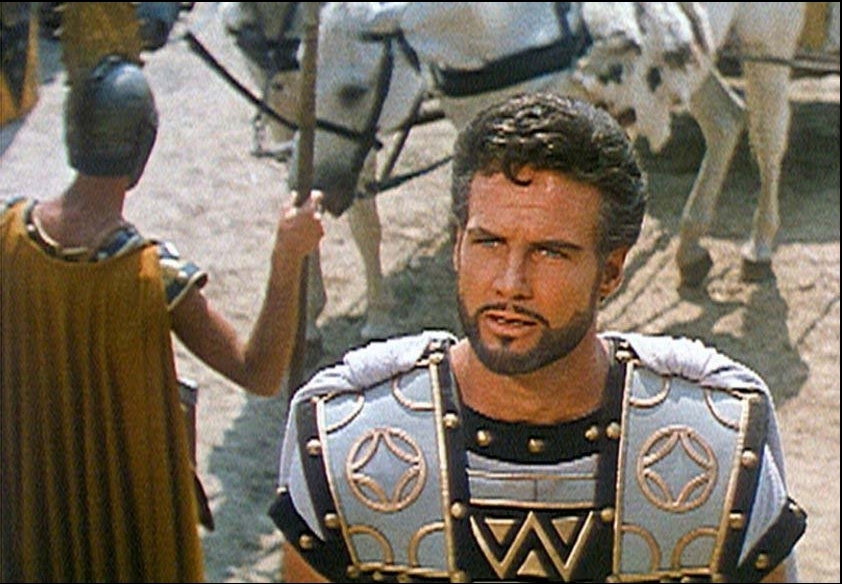
What follows has “Aeneas” and his group looking for a new place to live. They arrive in Sicily, were his father dies, and It is here that the surviving Trojan’s split up. One group remains, and a tighter and much stronger group, led by “Aeneas”, now leaves for Italy. Once in Italy, “Aeneas” and his Trojans find some land to settle upon in the west-central region. In what was the land of the “Latins”, in Latium (modern day Lazio, Italy).
There “Aeneas” meets “Lavinia”, portrayed by Carla Marlier, and his major foe, because she is betrothed to “Turnus”, the King of the Rutuli, portrayed by Gianni Garko.
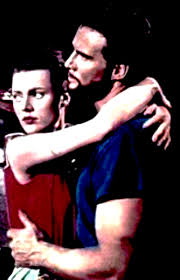
Above, Carla Marlier and Steve Reeves
The betrothal is stopped by order of her father, “King Latino”, portrayed by Mario Ferrari, because the oracles have spoken.
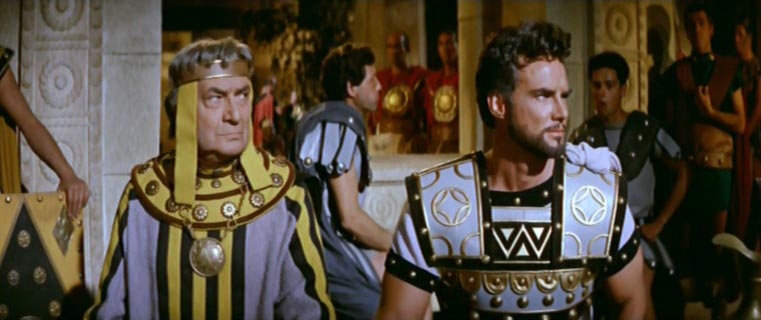
While her mother, “Queen Amata”, portrayed by Lulla Selli, supports the original betrothal.
There will be a battle between the two groups and “Aeneas” will defeat and kill “Turnus”.
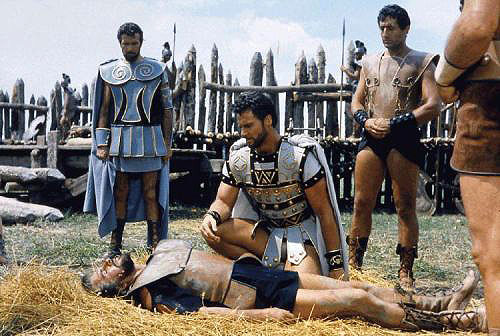
Followed by “Lavinia” marrying “Aeneas”. She will be known as the “Legendary Mother of the Roman People”, because a descendant of “Aeneas”, and “Lavinia”. Named, “Rhea Silva”, will give birth to twin sons, “Romus” and “Remulus”.
Another change from Virgil, is that “Dido, the Queen of Carthage”, is not seen. In Virgil’s “Aeneid”, the Trojan ships heading for Italy are blown off course by the evil Greek God Juno, and end up in Carthage. There “Aeneas” has a passionate affair with “Dido”, but he leaves her to finish the mission he is reminded about by the Greek God, Mercury. As a result, “Dido” takes a sword left by “Aeneas”, and commits suicide over her lost love. In other versions of the mythology, “Queen Dido” had become the Second Wife of “Aeneas”.
For those of my readers interested in motion pictures that tells the twins story. My article is “The Rise and Fall of the Roman Empire in the Movies” found at:
https://motion-picture-history.com/2026/03/29/the-rise-and-fall-of-the-roman-empire-in-the-movies/


.jpg)
Leave a comment